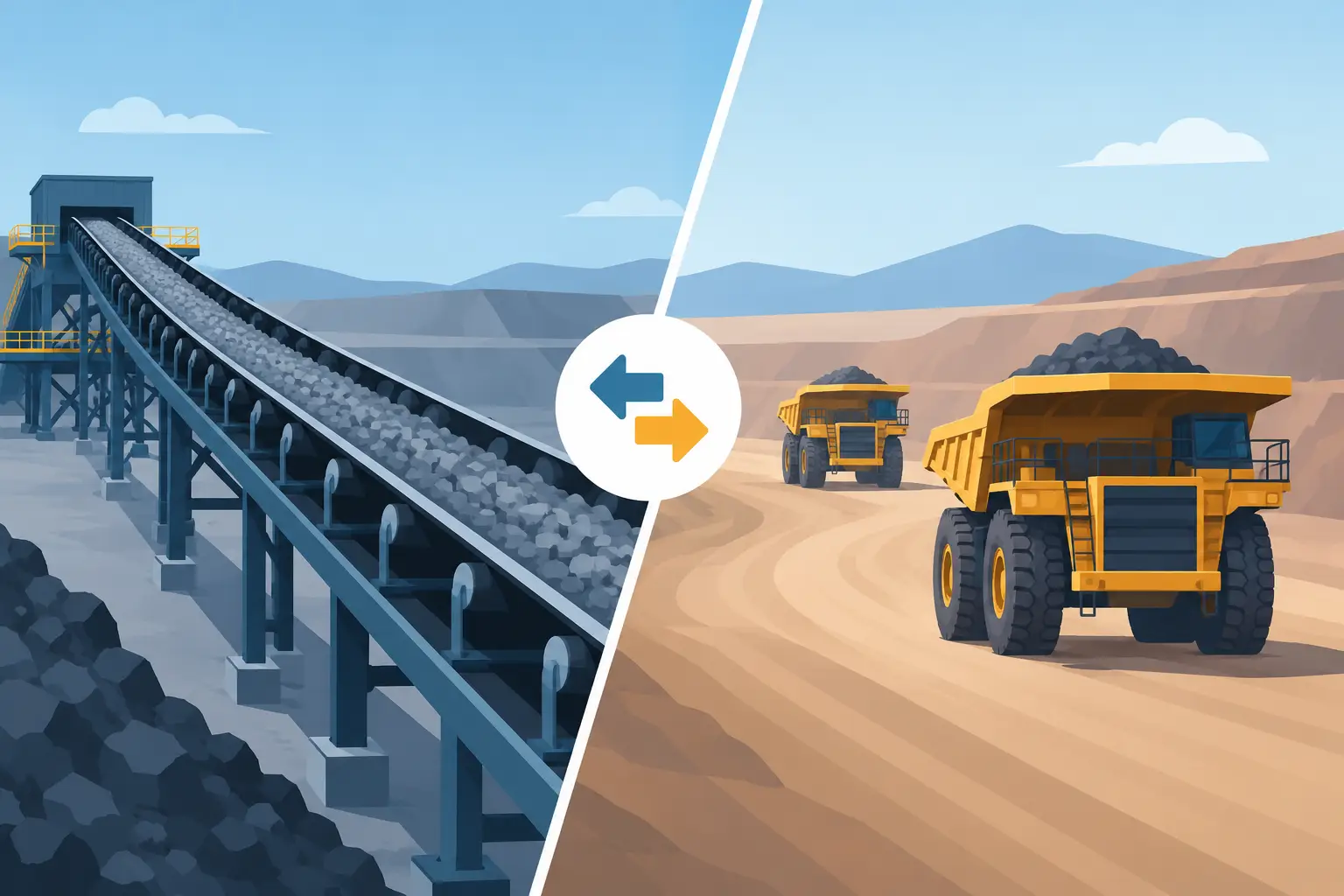
A truck fleet can start moving material quickly, but every additional load introduces another vehicle movement, operator, refuelling cycle and interaction point. A fixed conveyor requires more planning before the first tonne moves, yet can provide predictable, continuous output for years. That is the practical decision behind belt conveyor vs truck haulage on major civil, tunnelling, mining and industrial projects.
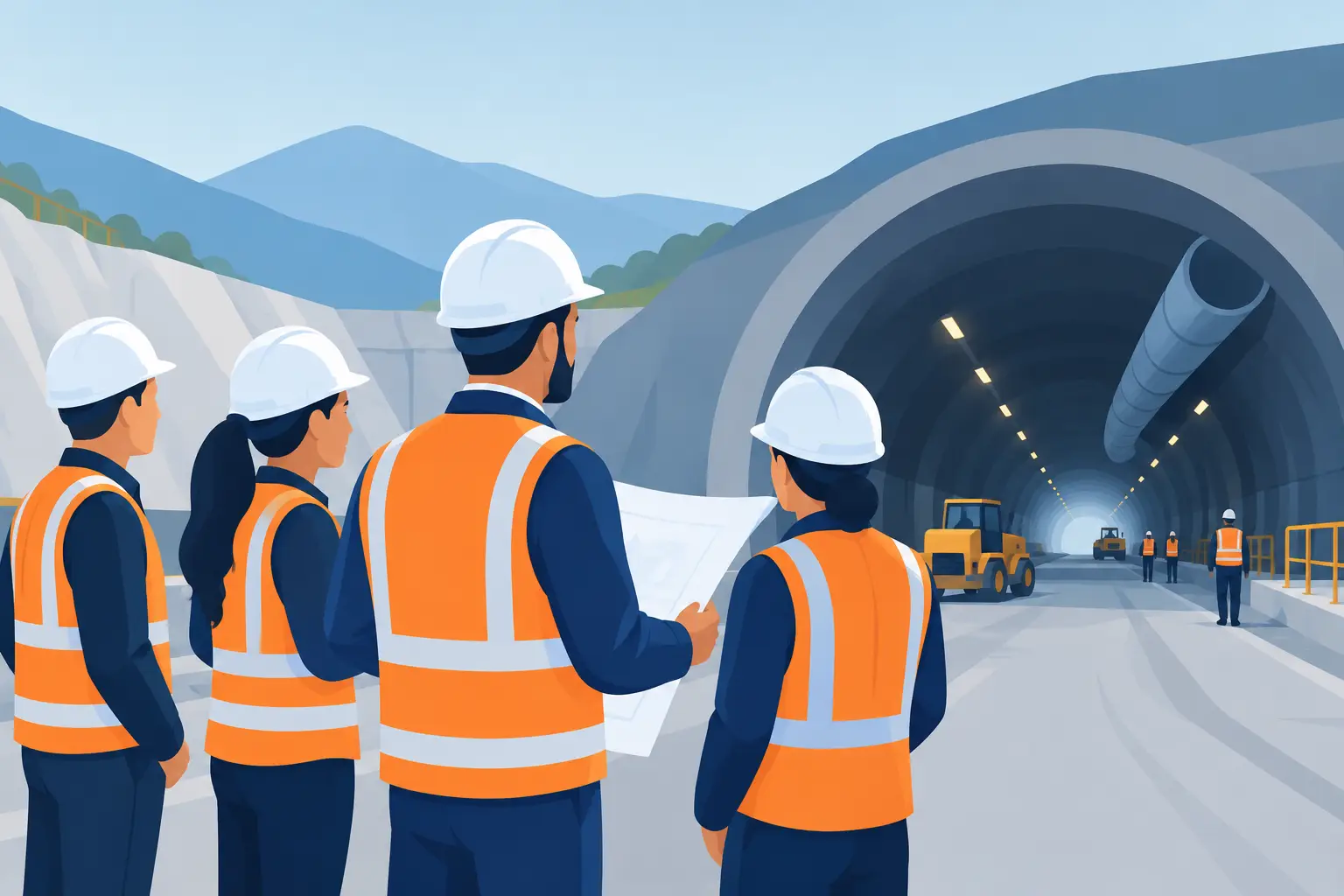
The right answer is rarely based on purchase price alone. Project duration, haul distance, material volume, available access, ventilation, safety controls and programme certainty all affect the outcome. For tunnel contractors in particular, the choice can influence excavation rates, surface logistics and the ability to keep critical works progressing without interruption.
Belt conveyor vs truck haulage: the operating difference
Truck haulage is a batch process. Material is loaded, transported, tipped and the vehicle returns for another cycle. It offers immediate flexibility: routes can change, fleet size can be adjusted and equipment can be mobilised without constructing a permanent transport line. This makes trucks well suited to early works, changing excavation faces, short campaigns and sites where the final alignment is not yet established.
A belt conveyor is a continuous transport system. Once installed and commissioned, it moves spoil or bulk material at a controlled rate with fewer interruptions between the loading point and discharge point. In a long tunnel drive, this can remove a substantial amount of repetitive vehicle traffic from the work area.
Neither system is automatically superior. A conveyor is most valuable when there is sustained volume and a sufficiently stable route. Trucks retain an advantage where material sources move frequently, haul distances are short, production is intermittent or site layout prevents a safe and practical conveyor alignment.
Capacity and production certainty
For high-volume, continuous operations, conveyors generally offer more consistent throughput. Belt speed, width, loading conditions, transfer design and drive capacity can be engineered to meet a defined production target. Once operating within design conditions, the system does not wait for a driver change, traffic clearance or a return cycle.
Truck output depends on the entire fleet cycle. Loading time, travel distance, traffic congestion, tipping access, road condition, weather, refuelling and operator availability all affect tonnes moved per hour. A well-managed fleet can deliver strong performance, but variability increases as the haul route becomes longer or more constrained.
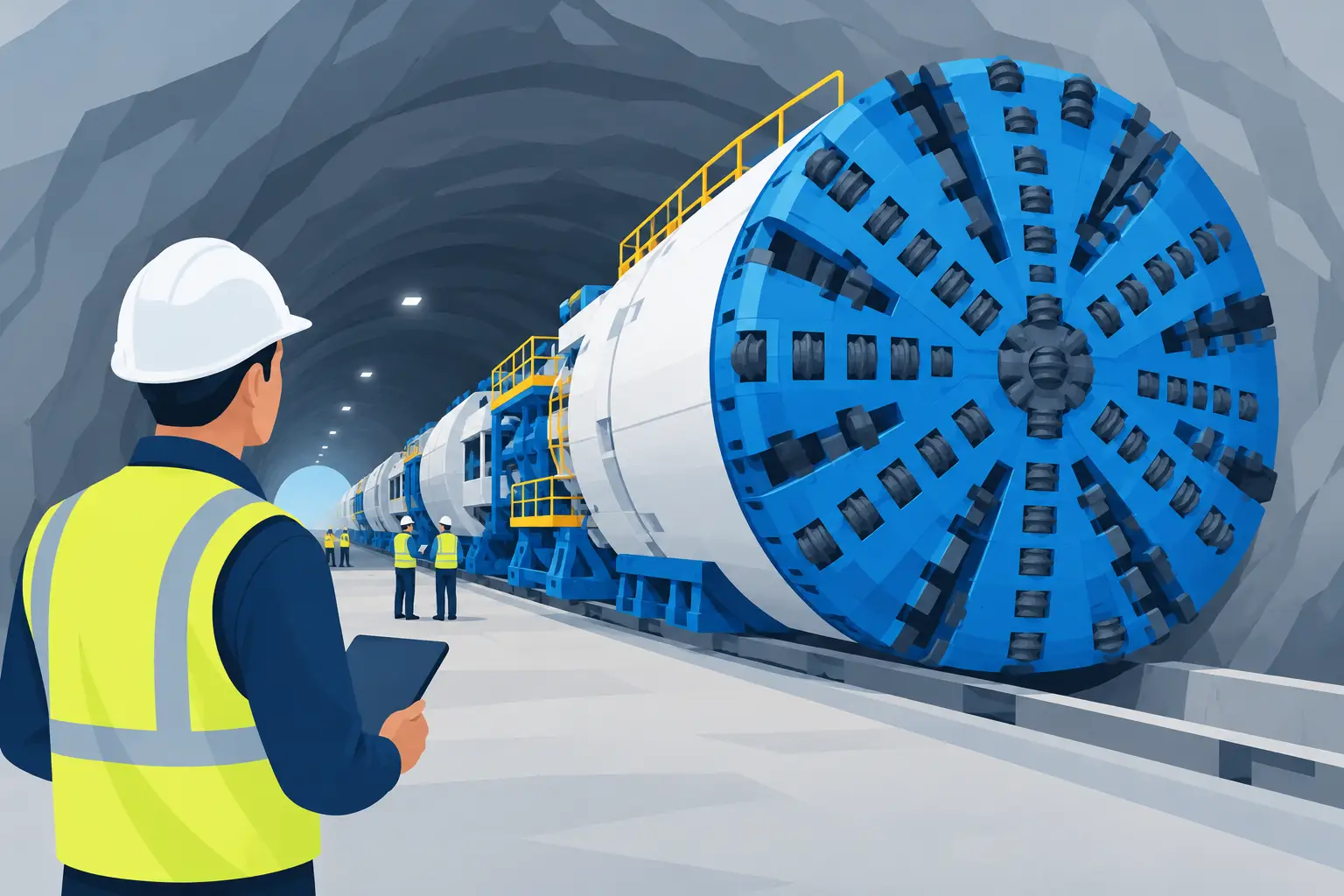
This distinction matters where the excavation process cannot afford to wait. A tunnel boring machine, roadheader or crusher operating ahead of a constrained removal system can create a production bottleneck quickly. If the conveyor is the selected transport method, its design capacity should allow for realistic peak demand, rather than only the average expected output. Material surges, carryback, belt cleaning requirements and planned maintenance windows must all be considered.
For conveyors, reliability is inseparable from capacity. A system that is nominally capable of moving the required tonnes but suffers repeated belt tracking, transfer blockages or drive faults will not deliver the production outcome the project needs.
Safety and underground conditions
In confined underground environments, fewer mobile plant movements can materially simplify risk management. Conveyor systems can reduce exposure to reversing vehicles, vehicle-pedestrian interactions, diesel emissions and traffic conflicts around loading and tipping areas. They also reduce the need to maintain haul roads through active work zones.
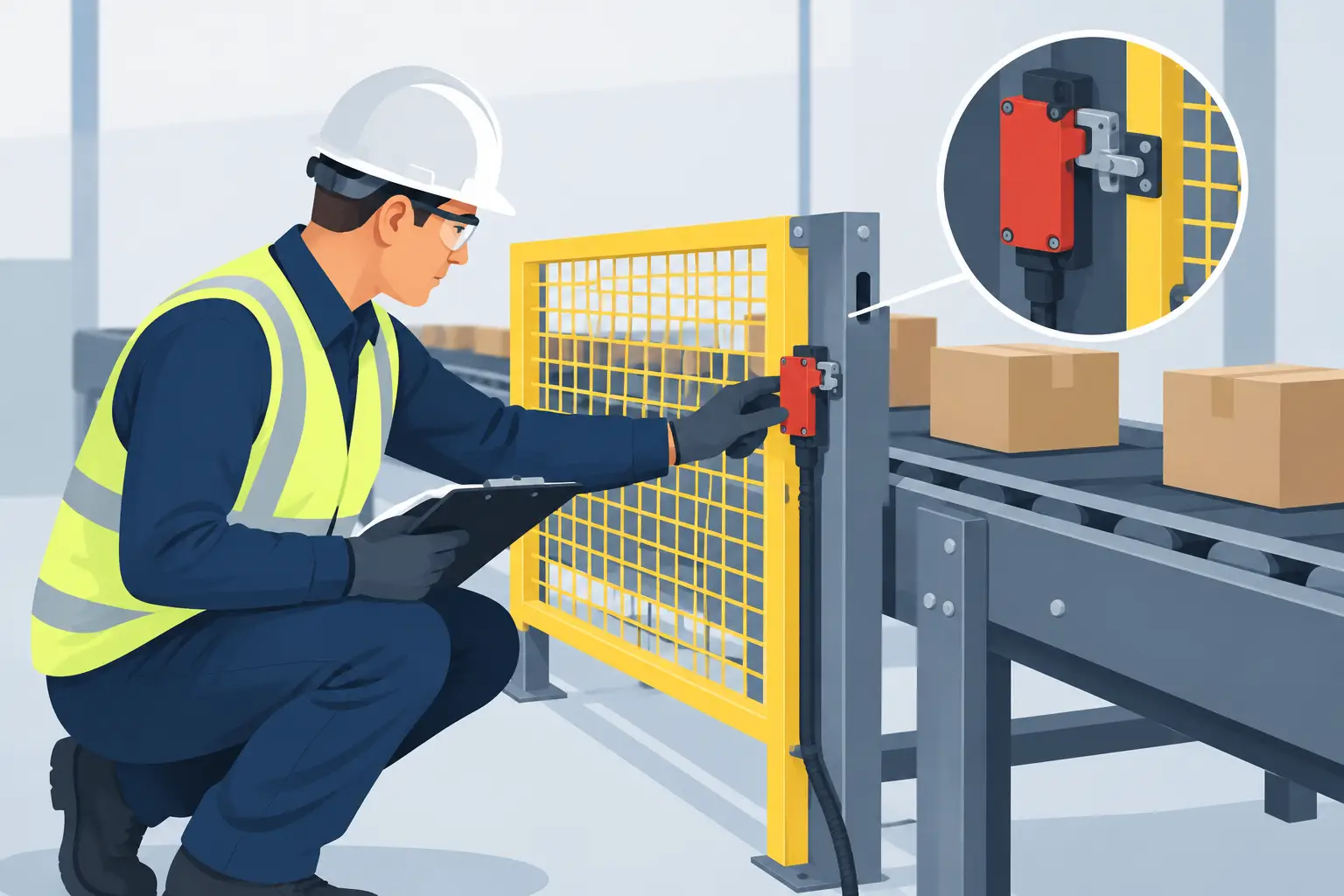
That does not mean conveyors are low-risk by default. They introduce pinch points, rotating equipment, stored energy, moving belts, electrical isolation requirements and fire considerations. Guarding, emergency pull-wire systems, accessible stop controls, lockout procedures, fire detection and housekeeping are essential elements of a safe installation. Transfer points and accessways must be designed so inspection and maintenance can be performed without creating unnecessary exposure for personnel.
Truck haulage brings a different safety profile. Effective separation, light vehicle management, fatigue controls, radio protocols, road maintenance, dust suppression and competent operators are central to safe performance. In a tunnel, ventilation demand is also a significant consideration. A larger diesel fleet can increase the ventilation capacity required to maintain acceptable air quality, adding cost and complexity to the overall operation.
The safer option is the option that can be controlled properly in the actual site environment. That assessment should be made through the project risk process, not assumed from a generic comparison.
Capital cost versus whole-of-project cost
Conveyors usually require higher upfront investment. Costs can include engineering, structural supports, drives, belts, idlers, electrical distribution, controls, installation labour, commissioning and spares. In tunnelling applications, the system may also need extensions as the excavation advances, along with specialised arrangements around the TBM or underground transfer stations.
Truck haulage can have lower entry cost where hired plant is available and the project needs only a limited fleet. It also avoids some of the civil and electrical work associated with a conveyor installation. However, the operating cost accumulates with every load. Fuel, tyres, servicing, operator hours, road maintenance and standby plant are ongoing costs, and they can rise sharply over a long haul distance or extended programme.
The useful comparison is therefore cost per tonne over the expected project life, not simply conveyor capital expenditure against truck hire rates. Include the cost of ventilation, surface congestion, production delays, maintenance labour and contingency capacity. A conveyor may justify its initial cost when volumes are sustained and the programme is long enough. For a short or uncertain scope, a truck fleet may remain the more commercially sensible choice.
Flexibility, access and project change
Trucks are inherently flexible. A route can be redirected around a changed work front, a new stockpile location or a temporary restriction. Additional units can be introduced when demand increases, subject to available space and traffic capacity. This adaptability is valuable during mobilisation and early excavation, when conditions can change quickly.
Conveyors require a more disciplined approach to change. Alignment, supports, electrical supply, transfer points and discharge arrangements must be planned and installed. Alterations can be made, but they require engineering review, controlled shutdowns and competent installation resources. In return, the conveyor offers a defined, repeatable material path that can improve site order and reduce traffic exposure.
Many major projects use a staged or hybrid approach. Trucks may support early works, local transfers, intermittent campaigns or changing headings, while a conveyor takes over the main high-volume route once production and alignment stabilise. This avoids forcing one method into conditions where it does not fit.
Maintenance is part of the haulage decision
A conveyor should be treated as production-critical infrastructure, not a fit-and-forget asset. Belt tracking, idler condition, pulley lagging, scraper performance, chute wear, bearing temperature, gearbox condition and electrical protection all require planned attention. Small defects can escalate into belt damage, spillage or an unplanned shutdown if they are not identified early.
The same principle applies to trucks, with planned servicing, tyre management and defect reporting needed to protect fleet availability. The difference is how downtime affects the operation. A single truck can often be removed from a larger fleet with limited impact. A failure at a critical point on a single conveyor line can stop the entire material stream.
For that reason, conveyor projects need practical redundancy and recovery planning. Critical spares, such as drive components, idlers, belt repair materials and electrical items, should be assessed against lead times and failure consequences. Qualified mechanical, electrical and controls personnel must be available for inspections, planned shutdowns and rapid-response breakdown work. HP Rural supports this lifecycle approach through conveyor installation, commissioning, maintenance, repairs and operational support in demanding project environments.
Making the selection
The decision should be based on a realistic operating model rather than a headline comparison. Establish the required tonnes per hour, anticipated operating hours, route length, project duration and material characteristics. Then test the practical site constraints: underground clearance, access for installation and maintenance, power availability, ventilation requirements, surface discharge capacity, traffic interfaces and the effect of planned extensions or programme changes.
A conveyor is often the stronger long-term option where the route is stable, volumes are high and uninterrupted removal is fundamental to production. Truck haulage is often the better fit where flexibility, rapid mobilisation and changing site geometry matter more than continuous flow. Where the programme contains both conditions, a combined arrangement can be the most reliable solution.
Before committing, walk the proposed material path with the people who will operate and maintain it. The details seen at the face, transfer point, haul road and discharge area are usually where the right decision becomes clear.