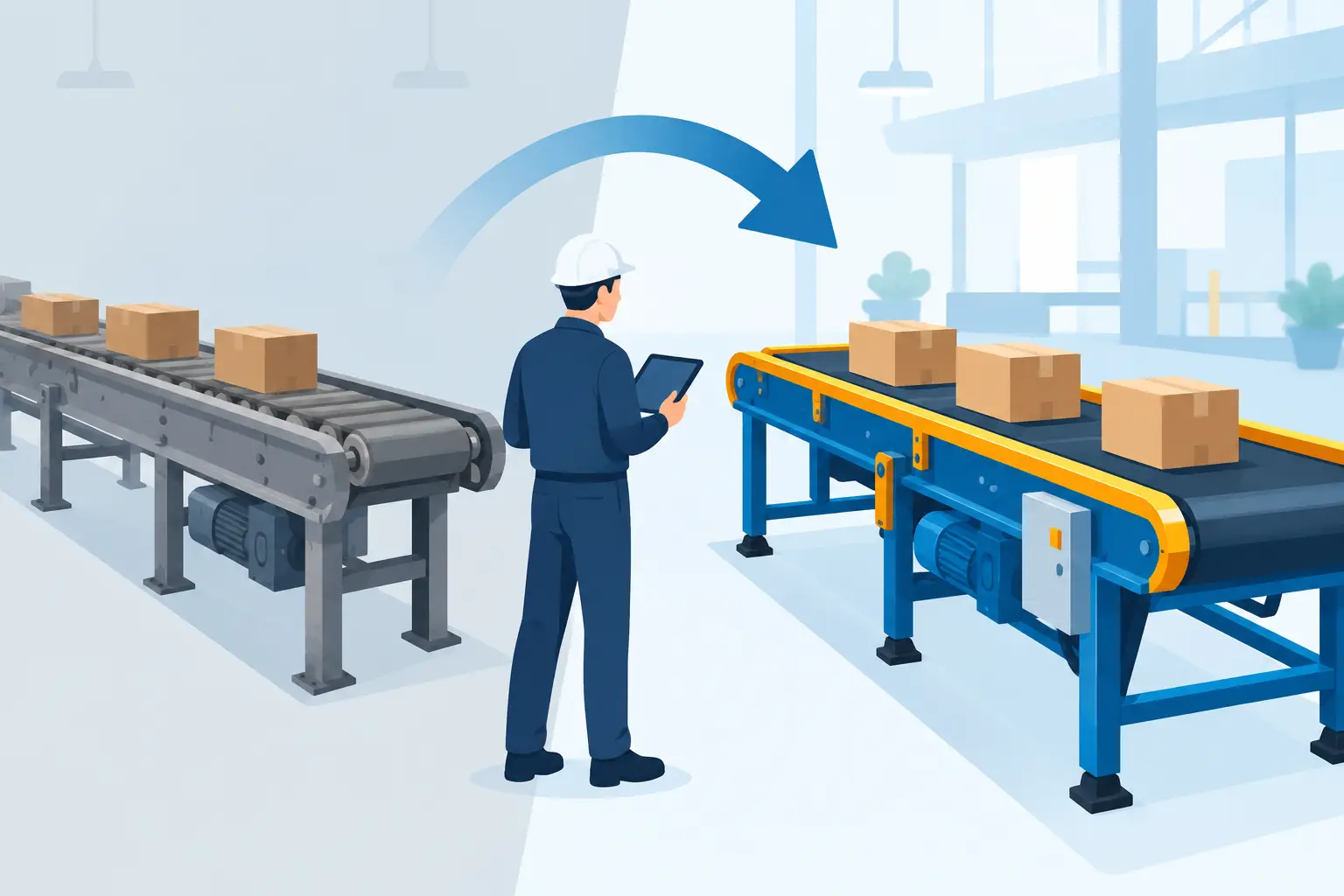
A conveyor stoppage in a tunnel, quarry, processing plant or distribution facility is rarely caused by a single failed item alone. The immediate issue may be a seized idler, damaged belt, failed pulley bearing or worn scraper, but the real cost comes from lost production, disrupted crews, delayed downstream work and a recovery process that can take far longer than the repair itself. Selecting a conveyor spare parts supplier is therefore an operational decision, not simply a purchasing exercise.
For projects with continuous material movement requirements, the right supplier provides more than stock availability. They understand the installed system, identify compatible components, support safe replacement work and respond when conditions on site change. This matters most in high-demand environments where access is restricted, shutdown windows are short and conveyor reliability directly affects the programme.
What a conveyor spare parts supplier should provide
A useful spare parts relationship begins with a clear understanding of the conveyor system. Components cannot be selected on name alone. Belt width, troughing geometry, pulley dimensions, bearing arrangements, loading conditions, material properties and operating environment all affect what can be fitted safely and effectively.
A supplier should be able to confirm component suitability against the actual equipment in service. This includes checking drawings, equipment data, existing part numbers and site measurements where required. In older or modified systems, the original specification may no longer reflect the conveyor as it operates today. A practical supplier recognises this before sending a part that looks right in a catalogue but creates fitment issues on site.
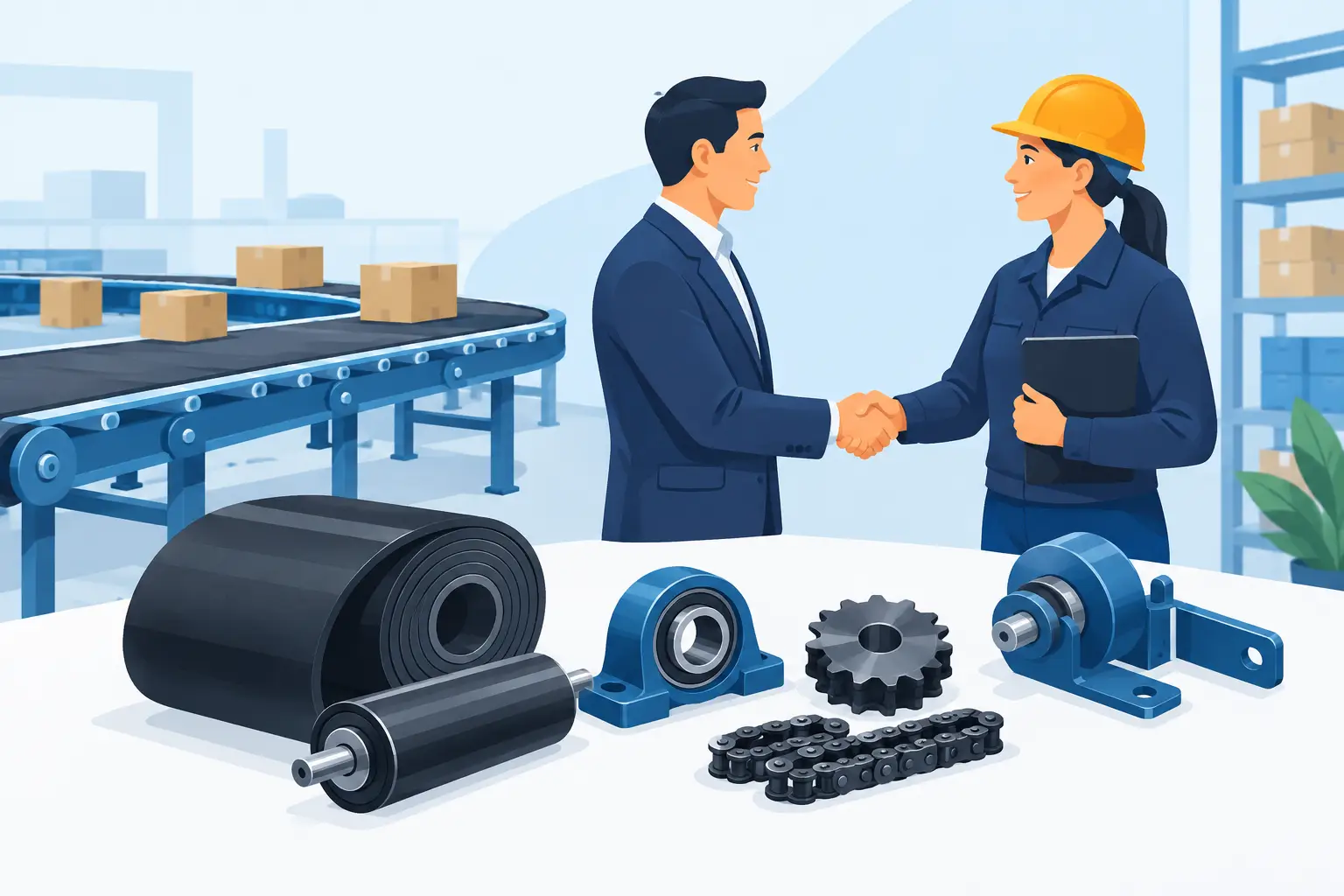
The supply scope commonly includes belts, idlers, rollers, pulleys, bearings, drive components, skirting, impact beds, belt cleaners, scrapers, tracking equipment, fasteners and guarding-related items. What matters is not offering every conceivable product. It is having the technical judgement to recommend the right component for the duty, condition and lead-time constraints of the job.
For example, a high-abrasion transfer point may require a different idler arrangement or liner material than a light-duty aggregate conveyor. A wet underground environment may place greater demands on sealing, corrosion resistance and bearing protection. In each case, the lowest initial-price component is not always the lowest-cost option over its service life.
Why component quality and traceability matter
Conveyor components operate under load, often for extended hours and in conditions that accelerate wear. A premature failure can damage adjacent equipment, compromise belt alignment or introduce a safety risk for maintenance personnel. Quality control is therefore central to spare parts procurement.
Procurement teams should expect clear product identification, reliable specifications and traceability where the component is critical to safe operation. This is particularly relevant for pulleys, drive components, bearings, belt splices and items installed in areas with high consequence of failure. Traceability helps maintenance teams confirm what has been installed, assess performance over time and investigate recurring faults with accurate information.
It also supports planned maintenance. When a site records the component type, installation date, duty and wear history, it can make better decisions about holding stock and scheduling replacements. The goal is not to replace parts at arbitrary intervals. It is to manage them according to operating condition, known wear patterns and the consequence of an unexpected failure.
Stockholding should reflect operational risk
Keeping every possible component on site ties up capital and can create storage problems. Holding too little stock exposes the operation to extended downtime. The appropriate approach depends on the conveyor’s criticality, supplier lead times, transport access and whether a failure can be managed through redundancy or an alternate production path.
Critical spares are typically those with a long replacement lead time, a high consequence of failure or limited interchangeability. A drive pulley, specialised gearbox, belt section or engineered scraper assembly may warrant planned stockholding even if it is not frequently replaced. Common rollers and bearings may be replenished through an agreed supply arrangement, provided the supplier can meet required turnaround times.
A supplier with field experience can help establish a practical critical-spares register. This should distinguish between consumables, operational spares, insurance spares and major shutdown items. It should also be reviewed after system modifications, changes in throughput or evidence of repeated component failure.
Avoid treating spare parts as isolated purchases
Buying parts transaction by transaction can appear efficient until a breakdown occurs. Under pressure, sites may accept substituted items without adequate verification, pay premium freight or install a short-term repair that increases future maintenance work. These decisions are sometimes unavoidable, but they should not become the operating model.
A better arrangement combines regular parts supply with knowledge of the site’s equipment. The supplier can maintain records of common items, identify obsolescence risks and flag components that should be ordered before a planned shutdown. This reduces the likelihood of last-minute sourcing and gives project teams more control over both cost and work planning.
Assess technical support, not just availability
Fast supply is valuable only when the part is correct and can be installed safely. In demanding conveyor environments, spare-parts support should connect directly with maintenance and repair capability.
When a component fails, a technically capable supplier can help determine whether the issue is isolated or symptomatic of a broader problem. Repeated roller failures might point to contamination, poor sealing, overloading or misalignment. A damaged belt edge may indicate loading issues, inadequate skirt control or a tracking fault. Replacing the visible failed component without addressing the cause can lead to another stoppage soon after restart.
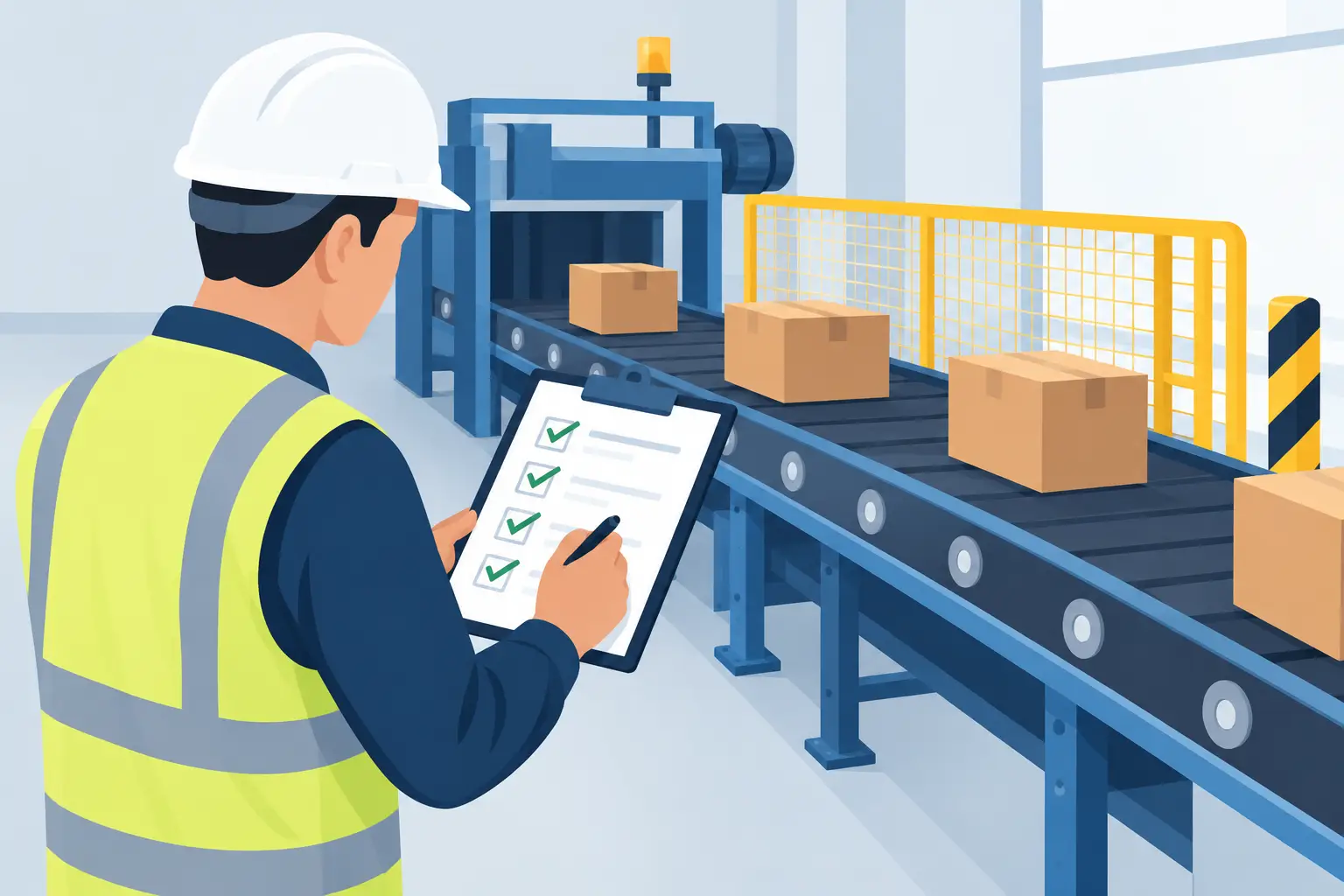
This is where qualified technicians add value. They can inspect the conveyor, assess the condition of surrounding components and recommend corrective work that is proportionate to the risk. In some situations, a rapid repair is the right response. In others, a controlled shutdown and targeted upgrade will provide a safer, more durable result.
For tunnel infrastructure and other constrained work areas, the supplier should also understand practical site controls. Access restrictions, lifting plans, isolation requirements, confined-space procedures and coordination with other trades can affect how quickly a part can be changed. A component delivered promptly is only one part of restoring service.
Questions to ask before appointing a supplier
Before committing to a supply arrangement, project and maintenance teams should test the supplier’s capability against real operating needs. Useful questions include:
- Can they verify compatibility with the existing conveyor rather than supply from a generic description?
- Do they provide traceable, fit-for-purpose components for critical applications?
- Can they support emergency breakdowns as well as planned maintenance requirements?
- Do they have technicians who understand conveyor installation, repairs, alignment and commissioning?
- Can they assist with critical-spares planning, site stock reviews and obsolescence management?
The answers should be supported by relevant project experience, clear communication and a realistic understanding of mobilisation times. A supplier does not need to hold every item locally to be effective, but they must be transparent about availability, alternatives and the actions required when an item is not immediately accessible.
Matching the supplier to the operating environment
Not every conveyor operation needs the same support model. A small seasonal facility may need dependable access to standard parts and occasional technical advice. A major civil project with around-the-clock spoil handling may require planned stockholding, scheduled inspections, on-call technicians and rapid-response repair capacity.
The more critical the conveyor, the more valuable it is to work with a supplier that can support the full equipment lifecycle. Installation knowledge improves spare-part selection. Maintenance history informs stockholding. Breakdown response reveals recurring weaknesses. Upgrade work can remove known failure points before they affect production again.
HP Rural supports this integrated approach across conveyor supply, maintenance, repairs and operational support for demanding Australian project environments. For asset owners and delivery teams, this means spare parts can be considered alongside system condition, safety requirements and the practical work needed to return equipment to service.
The best time to assess a supplier is before the next critical failure. A site that knows its conveyor configuration, has identified its high-risk spares and has access to capable technical support is in a far stronger position when production cannot wait.