A tunnel workforce is not simply a labour number against a programme. It is the operating capability that determines whether a heading advances safely, a TBM remains productive, conveyors continue removing spoil, and planned maintenance is completed before a minor defect becomes a shutdown. On major infrastructure works, the right people must be available at the right time, with the right site knowledge and authority to act.
Tunnel projects place unusual pressure on labour planning. Access is controlled, work fronts change, plant interfaces are tightly managed and shift handovers must preserve critical information. A crew that is technically capable but unfamiliar with the project’s systems, emergency arrangements or production sequence can still create risk and delay. The aim is not just to fill vacancies. It is to build a workforce that can contribute from the first shift while meeting the project’s safety, quality and productivity requirements.
What a tunnel workforce needs to deliver
Underground works demand a mix of specialist, trade and support personnel that changes as construction progresses. Early works may place greater demand on civil supervision, plant operators and site support. Once excavation and material handling are established, mechanical fitters, electricians, conveyor technicians, TBM personnel and production leaders become central to maintaining output. During break-through, fit-out or demobilisation, the required skills change again.
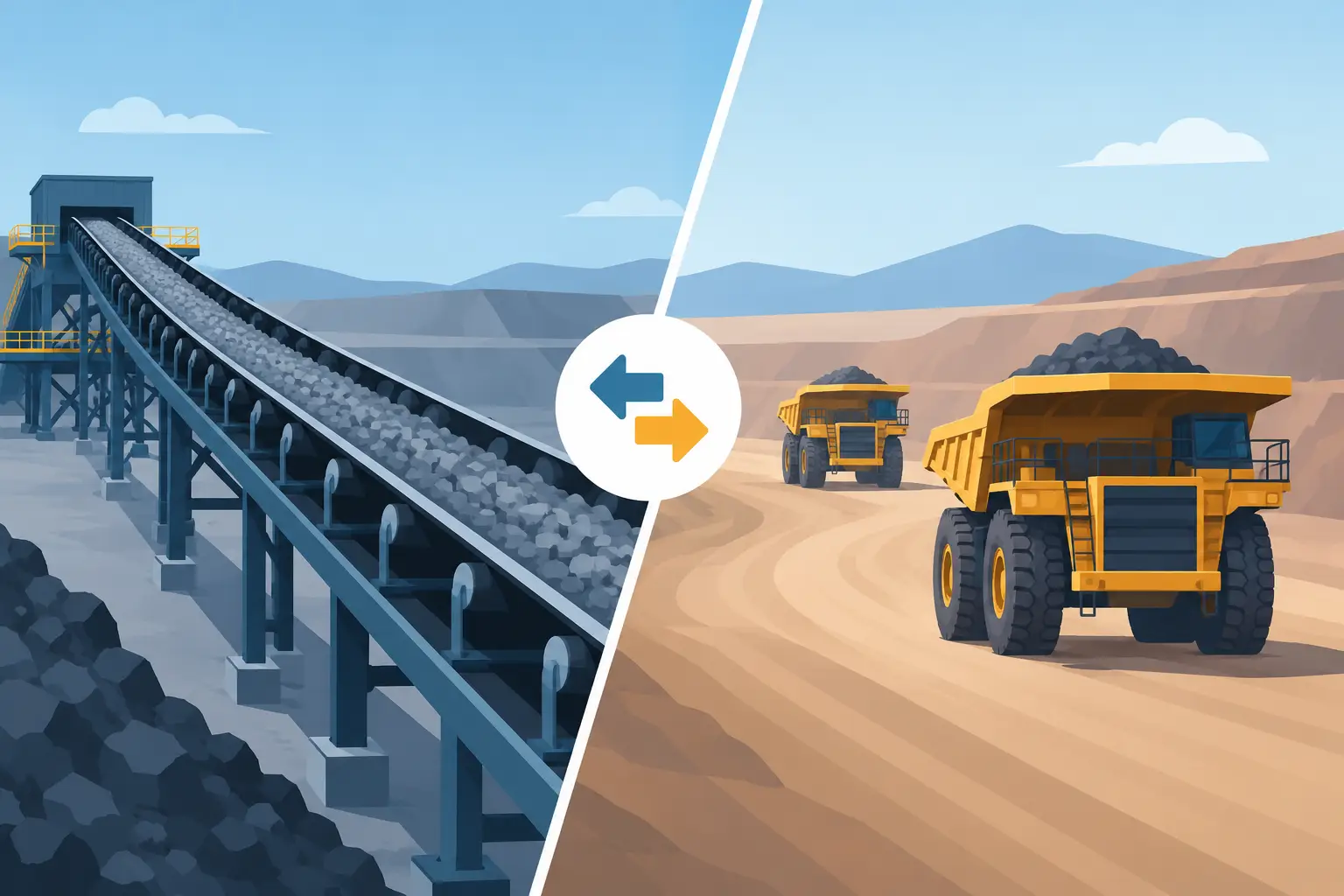
This is why generic labour supply can be a poor fit for a tunnel environment. Personnel need to understand confined work areas, isolation processes, permit systems, emergency egress, underground communications and the practical consequences of losing a critical item of plant. On a conveyor-dependent site, for example, a belt tracking issue, damaged idler or drive fault can affect far more than one work crew. It can restrict spoil removal, disrupt the excavation cycle and place pressure on the wider programme.
A capable workforce model recognises those dependencies. It provides qualified people for planned work, maintains depth for absences and changing shifts, and gives site management access to specialist support when a technical problem falls outside the scope of the usual crew.
Skills must match the construction phase
Workforce requirements should be reviewed against the actual construction sequence, not set once at mobilisation and left unchanged. The number of people required is only part of the decision. Competency mix, supervision ratios, shift coverage and the availability of relief personnel are equally important.
For mechanical and material-handling activities, fitters, mechanics, boilermakers and welders may be required to install, repair or modify equipment under tight access constraints. Industrial and PLC electricians are needed where power, control systems, instrumentation and fault finding affect production equipment. Crane operators, riggers and dogmen support lifts that require careful planning in restricted areas. Each role has a defined place, but the work is most effective when crews understand the interfaces between disciplines.
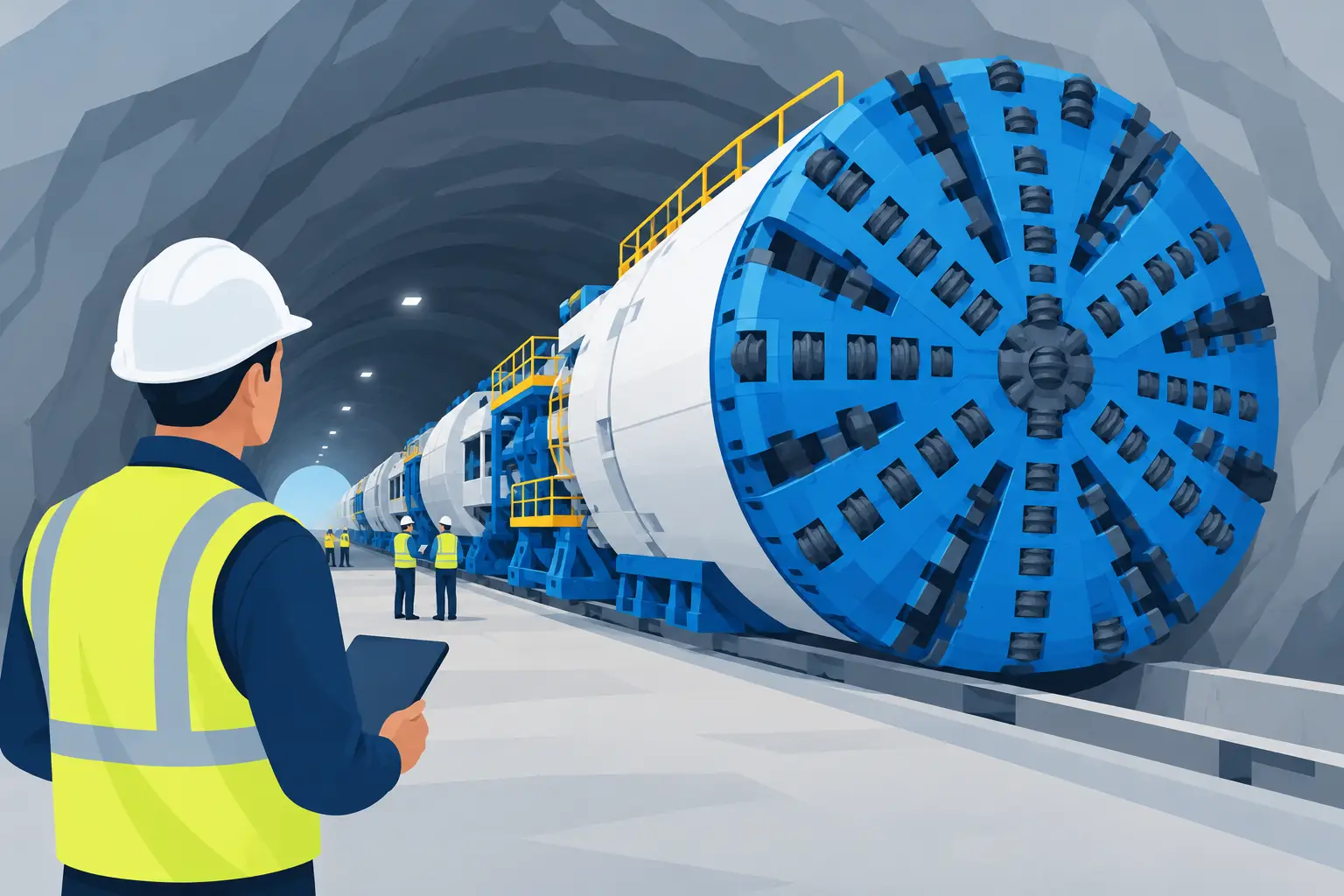
TBM operations require their own specialist capability. TBM pilots, operators and ring builders work within a production system that depends on coordination with segment supply, spoil removal, ventilation, services and maintenance. Roadheader and jumbo operators face a similarly connected work environment, where changes in ground conditions, support requirements or access can alter the day’s plan quickly.
Supervisors and leading hands are essential in turning this mix of skills into controlled work. They coordinate permits, pre-starts, work fronts and handovers while ensuring workers do not make assumptions about live equipment, isolations or changing conditions. Experienced mechanical, electrical, civil and production supervision helps keep decisions aligned with both the immediate task and the project’s broader delivery priorities.
Experience is valuable only when it is applied
Previous tunnelling experience matters, but it should not be treated as a substitute for project-specific induction and verification. Different projects use different access arrangements, emergency procedures, isolation standards, plant configurations and client requirements. A person who has worked successfully on one major project still needs to understand how this project operates.
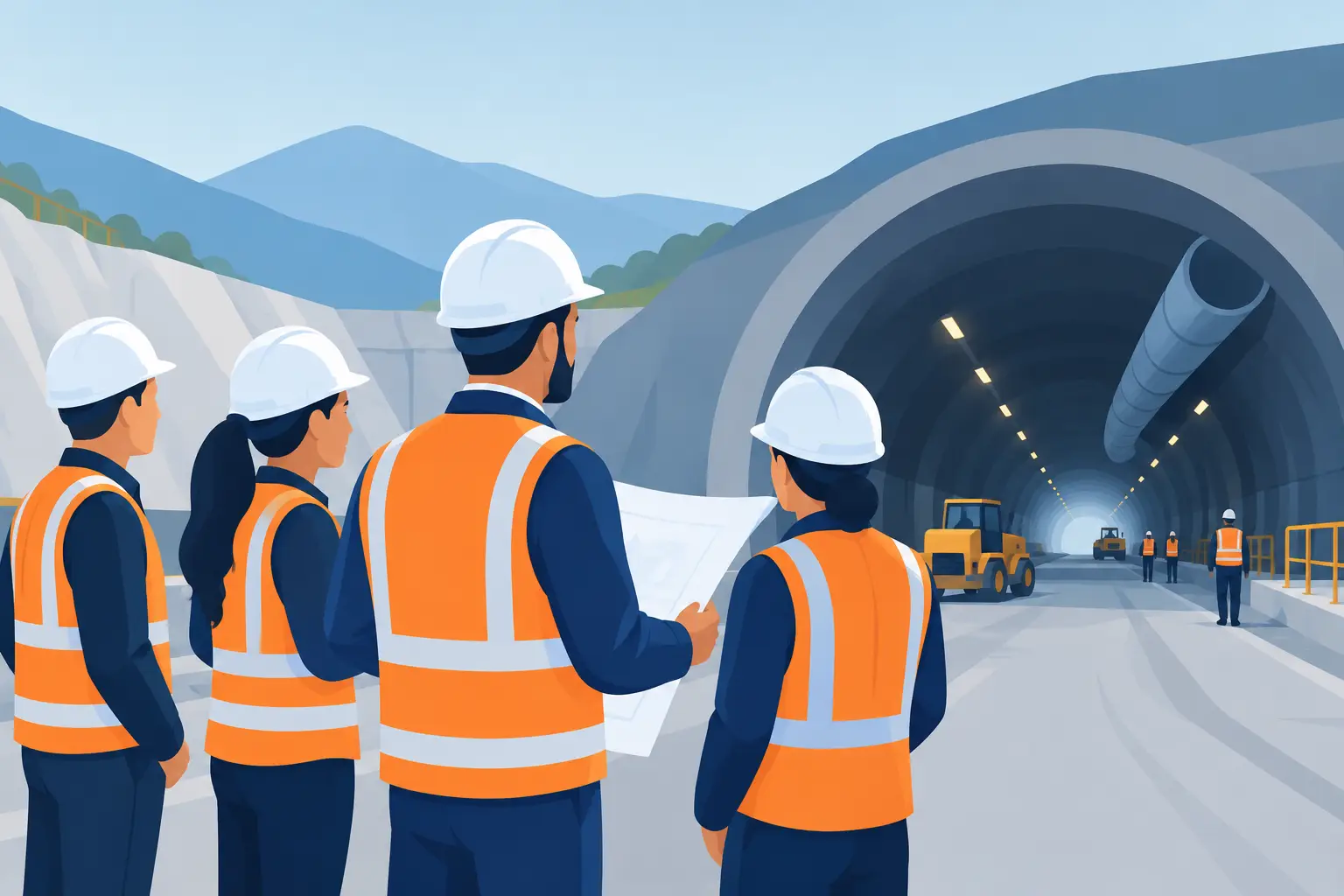
The strongest mobilisation process confirms licences, tickets, trade qualifications and relevant experience before deployment. It then introduces workers to site rules, task risks and reporting lines, followed by practical familiarisation with the work area and equipment. This approach gives supervisors a clearer view of capability and helps new starters ask questions before production pressure builds.
Planning for continuity, not just peak numbers
A tunnel workforce can appear adequate on a day shift roster yet fail under real operating conditions. Leave, fatigue management, training, unplanned maintenance, medical restrictions and turnover all affect available capability. Where the programme relies on continuous excavation or conveyor operation, a shortage on one shift can create a backlog that carries into the next.
Continuity planning means identifying critical roles and establishing practical coverage. That may include relief fitters for a maintenance crew, additional electrical support during commissioning, or experienced plant operators available when a production shift expands. It also means ensuring workers are not repeatedly moved between unfamiliar tasks simply to cover headcount. Flexibility is useful, but uncontrolled role changes can weaken safety and quality.
The trade-off is cost. Maintaining depth in specialist roles may look expensive when measured only against daily labour expenditure. However, the cost of a delayed shift, an extended plant outage or a poorly executed repair is often much higher. Project managers should assess workforce resilience against the value of the assets and production activities being protected.
Shift handover is a production control
In tunnelling, handover is not an administrative exercise. It is where the incoming team learns what changed during the shift: plant faults, temporary repairs, isolation status, ground conditions, work in progress, access restrictions and outstanding hazards. Incomplete handovers create avoidable exposure, particularly when equipment is operating across multiple shifts.
A useful handover is specific. It identifies the current operating condition, the work completed, the remaining work and who owns the next action. Supervisors should allow enough overlap for questions where critical work is underway. Written records support accountability, but direct communication between the people performing the work remains vital.
Building workforce capability around critical plant
Conveyors are a clear example of why personnel planning and asset reliability belong together. Installation crews, commissioning technicians, operators and maintainers all interact with the system at different stages. If those groups work in isolation, issues found during commissioning may not be transferred to the maintenance team, and recurring faults may not be fed back into operating practice or system modification decisions.
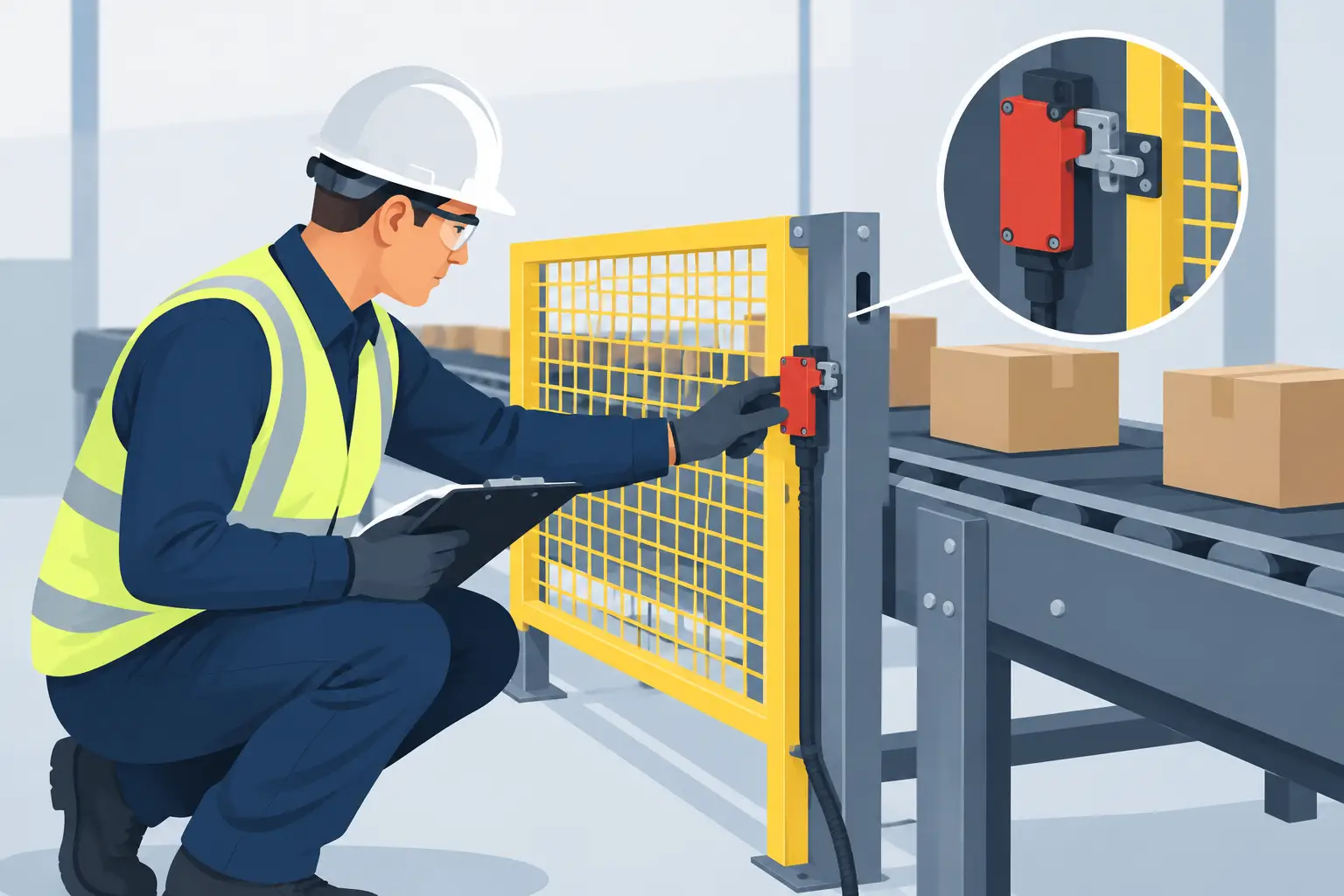
A better model connects labour planning to the maintenance strategy. Scheduled inspections need suitably qualified personnel and realistic access windows. Spare-parts planning needs input from those who understand likely failure points and lead times. Breakdown response requires people who can attend, assess the fault, work safely within the site’s controls and return equipment to service without creating a repeat problem.
HP Rural supports this type of operating model through personnel and labour hire for tunnelling and infrastructure projects, alongside specialist conveyor installation, maintenance, repair and emergency response capability. The practical benefit is access to people who understand that plant availability, safe work execution and programme performance are connected.
Retention and workforce culture affect delivery
Major tunnel projects can run for years, yet workforce planning is sometimes treated as a short-term procurement task. High turnover carries a real operational cost: more inductions, more supervision demand, less familiarity with plant and weaker shift continuity. It can also reduce the confidence workers have in raising a concern before it becomes an incident or equipment failure.
Retention is not solved by one measure. Predictable rosters, competent supervision, clear expectations, fit-for-purpose amenities and fair access to development all contribute. Apprentices, trainees and cadets can provide a valuable pathway into the industry, but they need structured oversight and should complement, rather than replace, experienced personnel in critical roles.
A strong workforce culture also makes reporting more useful. Workers who operate and maintain equipment are often first to notice abnormal noise, belt movement, heat, vibration or changing production conditions. When they can report these observations early and supervisors act on them, small defects are more likely to be addressed during planned work instead of an unplanned stoppage.
Questions to ask before engaging labour
Before bringing personnel onto a tunnel project, procurement and delivery teams should be clear about the operating problem they need to solve. Is the immediate requirement for additional production capacity, specialist maintenance capability, commissioning support, shutdown labour or sustained shift coverage? The answer affects the experience profile, supervision level and mobilisation process required.
It is also worth confirming how the supplier verifies competencies, manages fatigue and fitness for work, responds to short-notice changes and supports site safety systems. For specialist roles, ask whether personnel have worked with comparable plant, work methods and underground constraints. A CV alone will not show whether someone can operate effectively within the project’s established controls.
The right tunnel workforce gives a project more than people on a roster. It gives supervisors the confidence to plan work properly, maintain critical equipment and respond to changing conditions without losing control of safety or production. That confidence is built shift by shift, through capable personnel who understand the work in front of them and the consequences of getting it wrong.