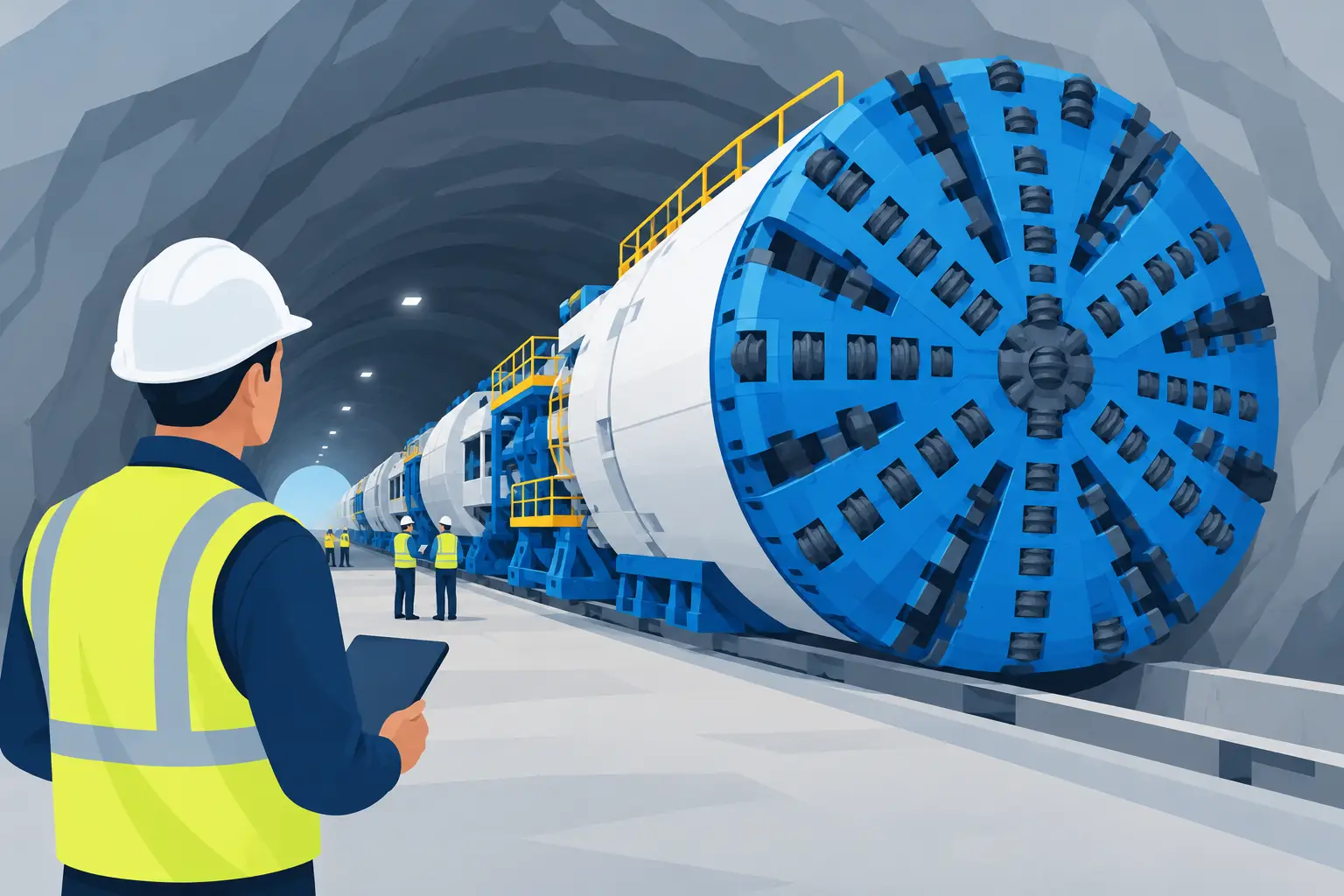
A TBM stopped at the face is not simply an equipment issue. It affects ring build timing, spoil removal, conveyor performance, maintenance windows and the work of every crew behind the shield. Effective TBM operator hire gives project teams access to people who understand those operational dependencies and can contribute safely from the start of a shift.
For major tunnelling works, the right operator is more than a person with machine hours recorded against their name. They must be able to work within the project’s method of operation, communicate clearly with the pilot, ring builders, supervisors and maintenance teams, and make disciplined decisions when ground conditions or machine behaviour change.
What a TBM operator brings to a tunnelling crew
A TBM operator works at the point where production targets, machine condition and ground response meet. Their role may include monitoring operating parameters, managing thrust and torque within approved limits, coordinating with the ring-building crew, observing spoil and muck conditions, and escalating emerging issues before they become a lost shift.
The exact duties depend on the machine type and the project operating model. On some sites, the TBM pilot has primary control of the machine while operators support defined functions around the shield, backup and segment installation process. On others, the operator’s scope is broader. What remains consistent is the need for practical judgement, close adherence to procedures and clear handovers between shifts.
Experienced personnel recognise that production is not achieved by driving a machine hard at every opportunity. Excessive wear, poor alignment, ring damage, conveyor blockages or unplanned interventions can quickly outweigh a short-term gain in advance rate. The best operators work toward stable, repeatable progress while protecting people, equipment and the programme.
TBM operator hire should match the project stage
The labour requirement during TBM assembly and commissioning is different from the requirement during steady-state mining. Early in the project, operators need to become familiar with site-specific controls, communications protocols, exclusion zones, emergency arrangements and the interaction between the TBM, backup systems and tunnel conveyor.
During production, continuity becomes critical. Operators must maintain a reliable rhythm across shifts, complete accurate records and identify changes in machine performance or ground behaviour. At breakthrough, planned maintenance campaigns, cutterhead inspections and disassembly, the crew may need people with broader shutdown, isolation and coordination experience.
For this reason, procurement should define the immediate task as well as the likely duration of the engagement. A short-term placement can assist with a peak workload or cover leave. A longer-term arrangement can provide the project with personnel who build site knowledge, strengthen handovers and support consistent operating discipline over successive drives.
Experience must be relevant, not just extensive
TBM experience is valuable, but it needs to be relevant to the conditions on site. An operator who has worked on a hard-rock machine may bring strong machine awareness, while a slurry or EPB project can require a different understanding of face pressure, conditioning, separation systems and spoil management. Segmental lining systems, tunnel diameter, backup configuration and the contractor’s control philosophy also influence how quickly a person can become productive.
A capable labour hire provider asks the practical questions before nominating personnel. What machine is being used? What is the shift pattern? Is the requirement for a pilot, operator, ring builder or a combination of roles? What site and project competencies are mandatory? Is the role production-focused, maintenance-supporting or part of a recovery plan after downtime?
This information protects both the client and the worker. It helps ensure the person arriving on site has the right base capability and that the project can plan a realistic induction and verification process.
Safety and operational discipline are inseparable
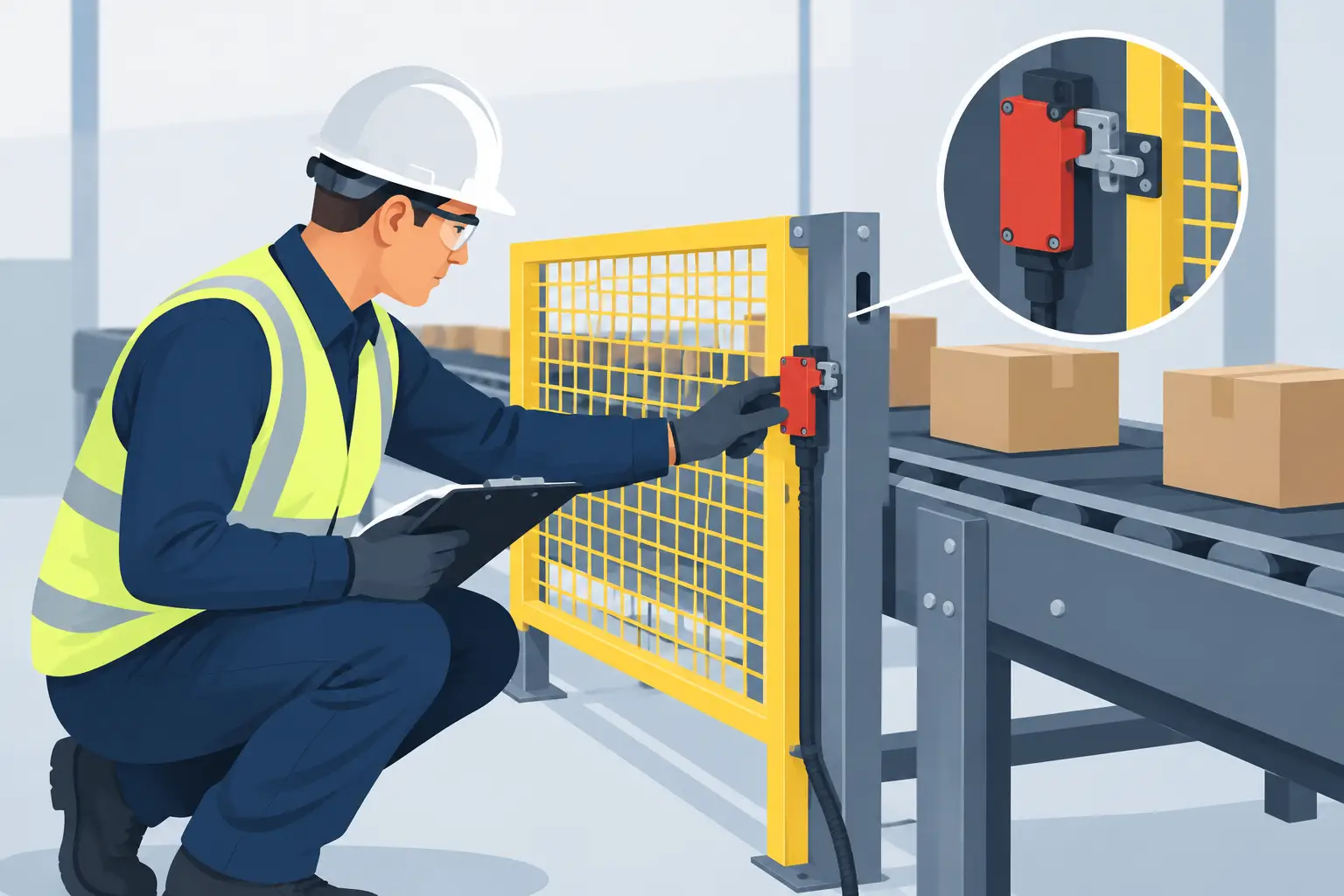
Underground works place high demands on crew awareness. Restricted access, moving plant, stored energy, lifting activities, pressurised systems, confined work areas and continuous material movement can all be present within a TBM operation. Operators need to understand their boundaries of responsibility and act promptly when conditions are outside the approved operating envelope.
That includes following pre-start requirements, maintaining effective radio communication, observing isolation controls and reporting defects with enough detail for maintenance personnel to respond. A useful operator does not attempt to diagnose every fault alone. They provide clear observations, protect the area where required and work with supervisors and trades to return the operation safely.
Shift handover is equally important. Information about cutterhead performance, unusual vibration, segment issues, conveyor interruptions, tooling concerns or changes in ground conditions must not be left to assumption. A disciplined handover gives the incoming crew the context needed to take control without repeating mistakes or exposing the operation to avoidable risk.
Competency verification remains site-specific
Tickets, licences and prior project experience form part of the assessment, but they do not replace project onboarding. Each site has its own procedures, plant configuration, fatigue management requirements and emergency response arrangements. The principal contractor must verify that personnel are competent for the role and authorised to perform it within that project’s systems.
For project teams, this means allowing enough time for documentation review, inductions, medical and fitness requirements where applicable, and site-based familiarisation. For urgent coverage, a provider with workers accustomed to major-project mobilisation can reduce administrative friction, but quality should not be traded away for speed.
Coordinating TBM crews with conveyor operations
A TBM can only advance when the material-handling chain behind it is performing. Spoil transfer, belt tracking, transfer points, drive stations and backup conveyors all influence the face. When a conveyor interruption occurs, the effect can move rapidly forward through the operation.
This is where a workforce partner with tunnelling and conveyor experience offers practical value. Operators who understand the consequences of poor spoil flow can communicate effectively with conveyor technicians and supervisors. They know why a belt issue, blocked chute or unplanned conveyor maintenance activity needs prompt escalation and coordinated response rather than a workaround that creates greater risk.
HP Rural supplies personnel for demanding infrastructure environments, including TBM operators, pilots and ring builders, alongside mechanical, electrical and conveyor support capability. This breadth can assist clients that need labour coverage aligned with the wider tunnel production system, not isolated from it.
Selecting the right labour hire arrangement
A successful engagement starts with a clear scope. The project should communicate whether it requires day or night shift coverage, swing arrangements, relief coverage, a defined roster, or mobilisation for a specific programme milestone. It should also state the expected reporting line and whether the role will interface directly with plant maintenance, conveyor operations or production supervision.
Availability matters, particularly when absenteeism, programme recovery or an unexpected ramp-up creates a gap. However, rapid mobilisation is only useful when the supplied person is suited to the role. The best outcome balances response time with verified experience, site requirements and a clear understanding of the work to be performed.
Cost should also be assessed in operational terms. A lower hourly rate can become expensive if it leads to repeated rework, extended supervision, poor handovers or avoidable disruption. Conversely, a highly experienced TBM operator may not be necessary for every support position. Matching capability to the actual task gives the project the right level of coverage without overcomplicating its labour plan.
Building continuity across the drive
Tunnelling projects benefit when labour hire is treated as part of workforce planning rather than an emergency-only measure. Maintaining access to known, suitable operators provides resilience during leave periods, roster changes, maintenance shutdowns and production peaks. It also reduces the disruption of introducing unfamiliar personnel at critical stages of the drive.
Project managers should keep an active view of upcoming milestones and likely crew pressure points. A planned request for qualified TBM personnel gives more time to assess fit, complete mobilisation requirements and integrate the operator into the shift team. That preparation supports safer work, clearer accountability and steadier production when the tunnel programme has little room to move.
The right TBM operator is not simply a vacancy filled. They are a practical part of the production chain, helping the crew maintain control at the face while the systems behind it keep the project moving.