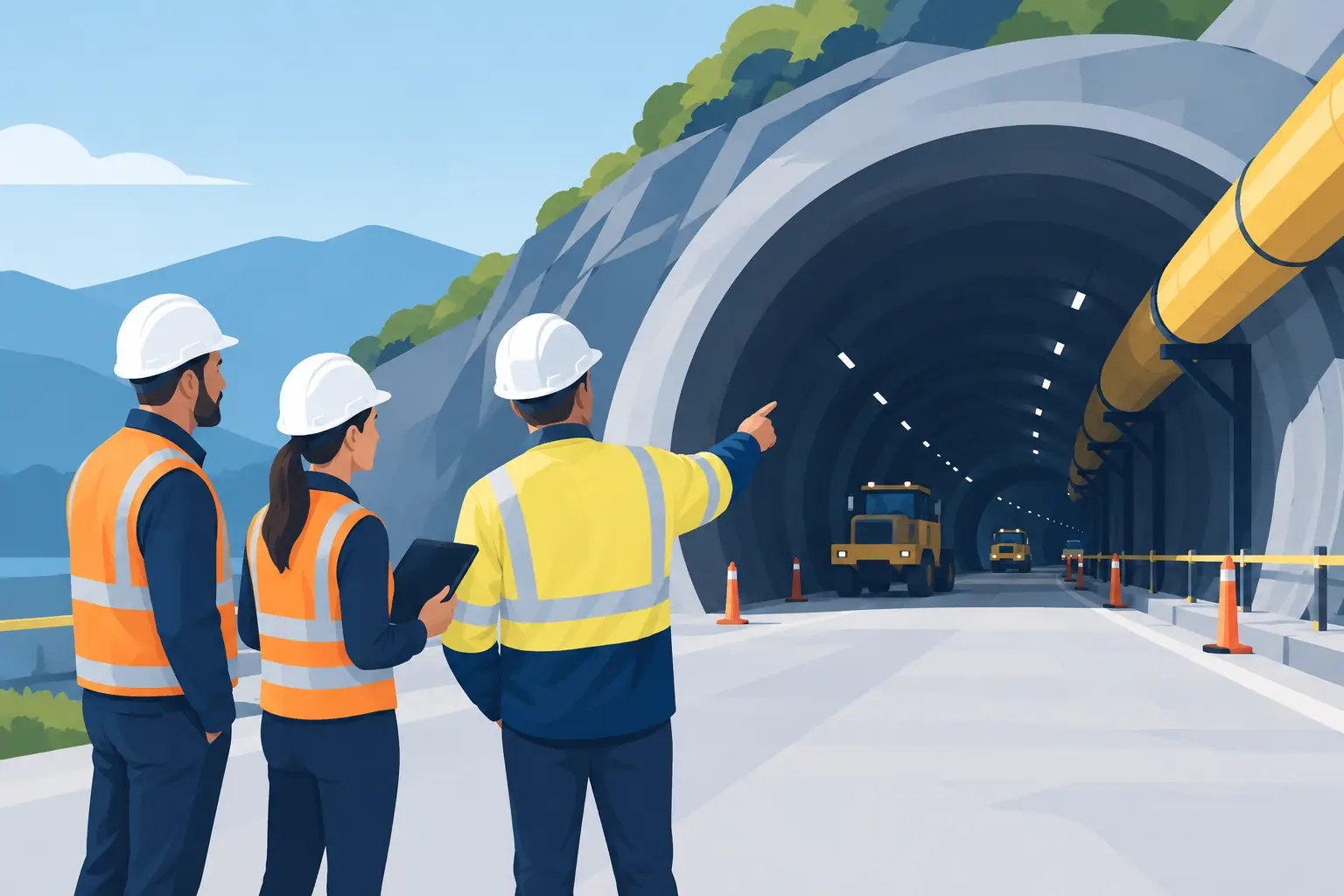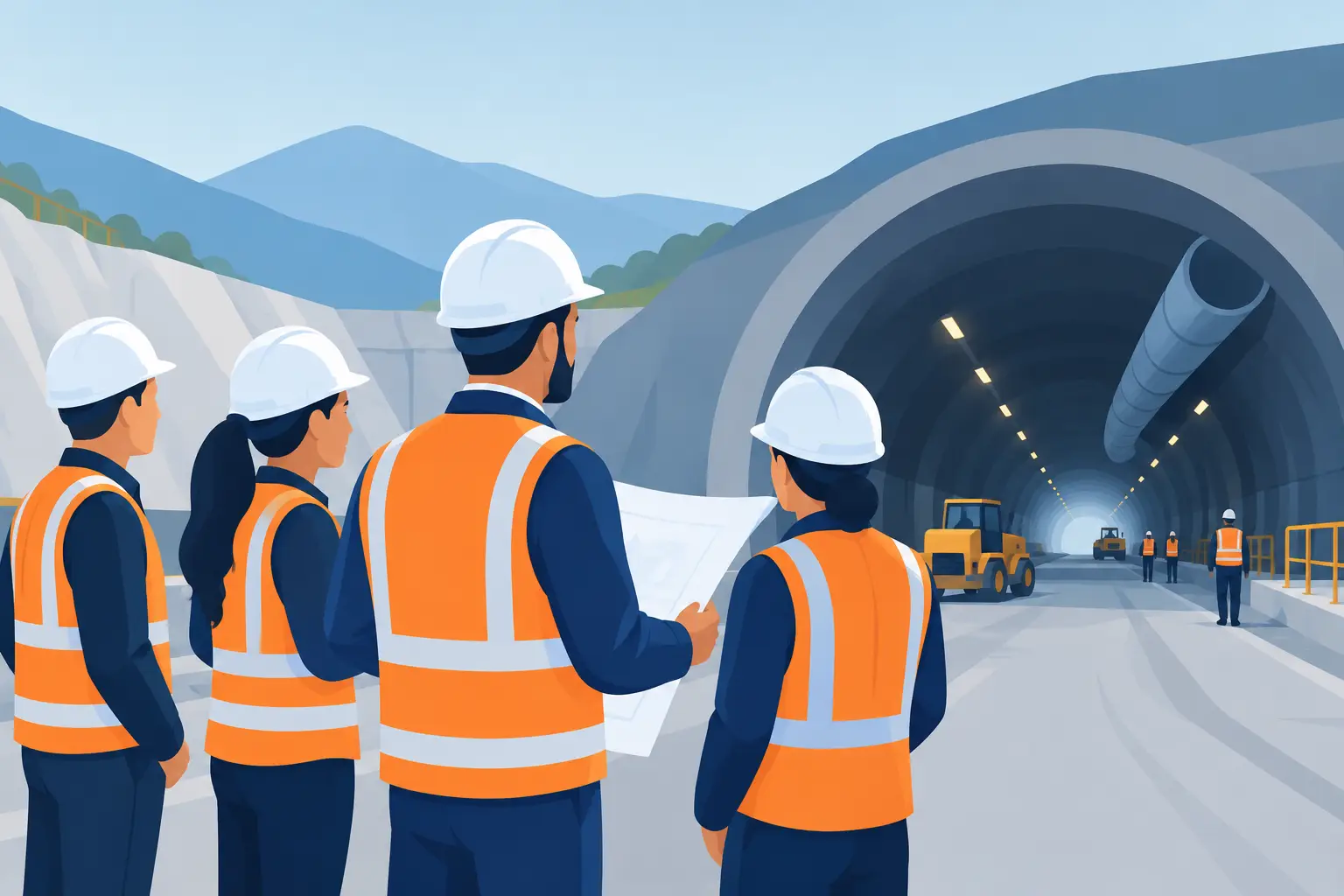
A tunnel shift cannot wait for the right person to become available. When a conveyor stops, a TBM requires experienced support, or a critical lift is scheduled, labour hire must provide people who can enter a controlled work environment, understand the task and contribute safely from the outset. For infrastructure delivery teams, the value is not simply filling a headcount. It is maintaining safe production, protecting the programme and avoiding avoidable downtime.
Major civil and tunnelling works place unusual pressure on project resources. Work often continues around the clock, access is constrained, interfaces are complex and a small delay can affect multiple crews, plant movements and downstream activities. The right personnel provider understands those operating conditions and supplies capability that fits the workfront, not a generic labour pool.
What labour hire must deliver on critical projects
Labour hire is most effective when it is treated as part of the project delivery plan rather than a last-minute procurement exercise. The provider needs to understand the required trade or operating competency, site conditions, shift pattern, supervision arrangements and the immediate task. That allows the project team to receive personnel suited to the actual risk and production requirements.
On tunnelling and conveyor-dependent projects, experience matters because the work is highly interconnected. A fitter may be required to diagnose a belt tracking issue while working alongside electrical personnel, operators and supervisors. A rigger or dogman may be supporting a lift within a restricted area where plant movements and exclusion zones must be carefully managed. A suitably qualified person still needs relevant site awareness, clear communication and the discipline to work within established controls.
The commercial trade-off is clear. Engaging labour solely on the basis of the lowest hourly rate can create higher costs through rework, additional supervision, delayed mobilisation or a poor fit with site procedures. A capable hire arrangement focuses on productive, compliant attendance and personnel who add value without increasing the burden on the client’s leadership team.
Matching people to the workfront
Project requirements can change quickly as excavation advances, maintenance windows move or plant availability changes. A practical labour hire partner should be able to supply individual personnel, complete crews or supplementary resources that integrate with the client’s existing workforce.
Trades and maintenance capability
Mechanical fitters, mechanics, boilermakers and welders are often required to keep material-handling systems, fixed plant and supporting equipment operational. Their work may include planned maintenance, repair work, fabrication, component replacement and shutdown support. For conveyor environments, personnel should understand the consequences of poor alignment, worn idlers, damaged pulleys, guarding deficiencies and uncontrolled stored energy.
Electrical tradespeople may be required for industrial, commercial, automotive and PLC-related work. Their contribution can range from fault finding and cable installation through to control-system support, testing and commissioning assistance. On a live project, electrical resources must work closely with mechanical teams and site management so isolation, verification and return-to-service activities are properly coordinated.
Plant, TBM and specialist operating personnel
General plant operators, roadheader operators, jumbo operators and TBM operators bring specialised production capability that cannot be replaced by general experience alone. TBM pilots, operators and ring builders also need to understand the rhythm of continuous underground operations, including how their work affects logistics, segment handling, conveyor performance and crew safety.
The right operator is not simply licensed or experienced on similar equipment. They must be able to follow site-specific procedures, recognise abnormal operating conditions and communicate issues before they become production-stopping failures. This is particularly relevant when projects are operating long shifts or rotating crews across multiple work areas.
Leadership, engineering and site support
Supervisors, leading hands, engineers, project personnel, managers and superintendents provide the coordination that helps technical work proceed safely and efficiently. Depending on the project phase, a client may need mechanical, electrical, civil or production leadership to strengthen planning, manage interfaces or support a critical work package.
Crane crews, including crane operators, riggers and dogmen, need to be selected around the lift plan, site constraints and equipment involved. General labourers and site support personnel can assist with housekeeping, material movement, spotter duties and task preparation where they have received the appropriate induction and direction. Apprentices, trainees and cadets can also support workforce development when the project has suitable supervision and a defined training pathway.
Safety and compliance are part of capability
On high-pressure projects, there is a temptation to treat mobilisation as the finish line: a person arrives on site, completes an induction and starts work. That approach overlooks the work required to make a placement effective. Competency verification, tickets and licences, medical requirements, right-to-work checks and role-specific experience should be addressed before deployment. So should the practical questions: Can the person work the roster? Have they performed comparable tasks? Do they understand the environment they are entering?
Once on site, personnel still require clear pre-start information, task allocation, supervision and access to the relevant safe work procedures. A good labour hire arrangement does not transfer the client’s safety obligations, nor should it create uncertainty over who directs the work. It supports a clear chain of responsibility, with personnel supplied to work within the client’s systems and project controls.
For underground and conveyor work, this includes disciplined isolation practices, effective communication around mobile plant, appropriate use of PPE, attention to access and egress, and prompt escalation of hazards. Productivity that bypasses these controls is not productivity. It is an unmanaged risk to people, equipment and the programme.
Planning labour hire before the pressure point
The strongest outcomes occur when workforce requirements are discussed before a shutdown, commissioning milestone or production ramp-up. Early planning gives the provider time to identify suitable people, confirm availability and prepare for project-specific requirements. It also reduces the likelihood of receiving a technically capable worker who cannot meet the roster, site access or compliance conditions.
For recurring maintenance and operational support, a consistent pool of personnel can be particularly valuable. Familiarity with the site, equipment and crew routines reduces the time needed to become productive. It can also improve fault reporting and handover quality, because people recognise the difference between a minor defect and an emerging reliability issue.
Emergency response is different. When a breakdown affects spoil handling, material movement or critical plant, rapid attendance is essential. However, speed should not mean compromising selection. The provider should be able to ask focused questions about the fault, equipment, access conditions, required competency and shift coverage, then mobilise the most suitable available resource.
Questions procurement and project teams should ask
Before engaging a labour hire provider, project teams should establish whether the provider can support the operating reality of the job. Useful questions include:
- Does the provider understand tunnelling, conveyor, fixed-plant or heavy industrial work?
- Can it supply the specific trades, operators, technical personnel and supervisors required?
- How are competencies, licences, medical requirements and work eligibility checked?
- What process is used to confirm role fit, availability and roster suitability?
- Can the provider respond to planned peaks as well as urgent breakdown or shift-cover requirements?
- Is there a clear point of contact who remains accountable after mobilisation?
The answers reveal more than a supplier’s database size. They indicate whether the provider can support the project when conditions change, a key consideration on programmes where workforce gaps can quickly affect safety, output and cost.
A workforce partner for demanding conditions
HP Rural provides personnel and labour hire support for infrastructure and tunnelling projects, including skilled tradespeople, plant and equipment operators, electrical tradespeople, crane crews, technical personnel, supervisors, management and TBM specialists. This capability is informed by hands-on experience in material-handling and underground environments where safe, reliable operation depends on competent people making sound decisions under pressure.
The most effective labour hire arrangements are built on accurate scope information, straightforward communication and shared expectations about safety and performance. When the required people are selected with the workfront in mind, the project gains more than coverage for a shift. It gains practical support for keeping critical work moving safely when the schedule leaves little room for error.