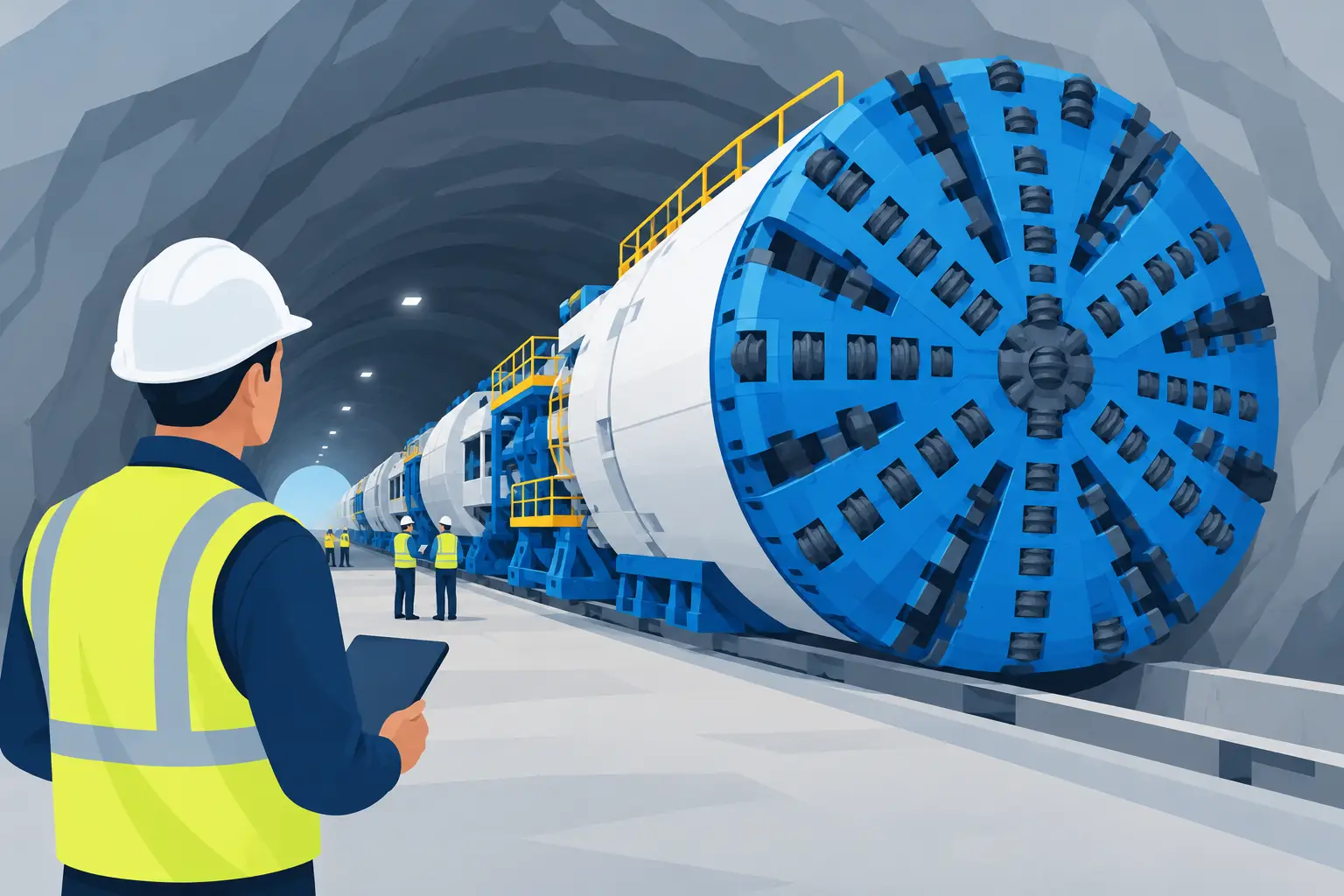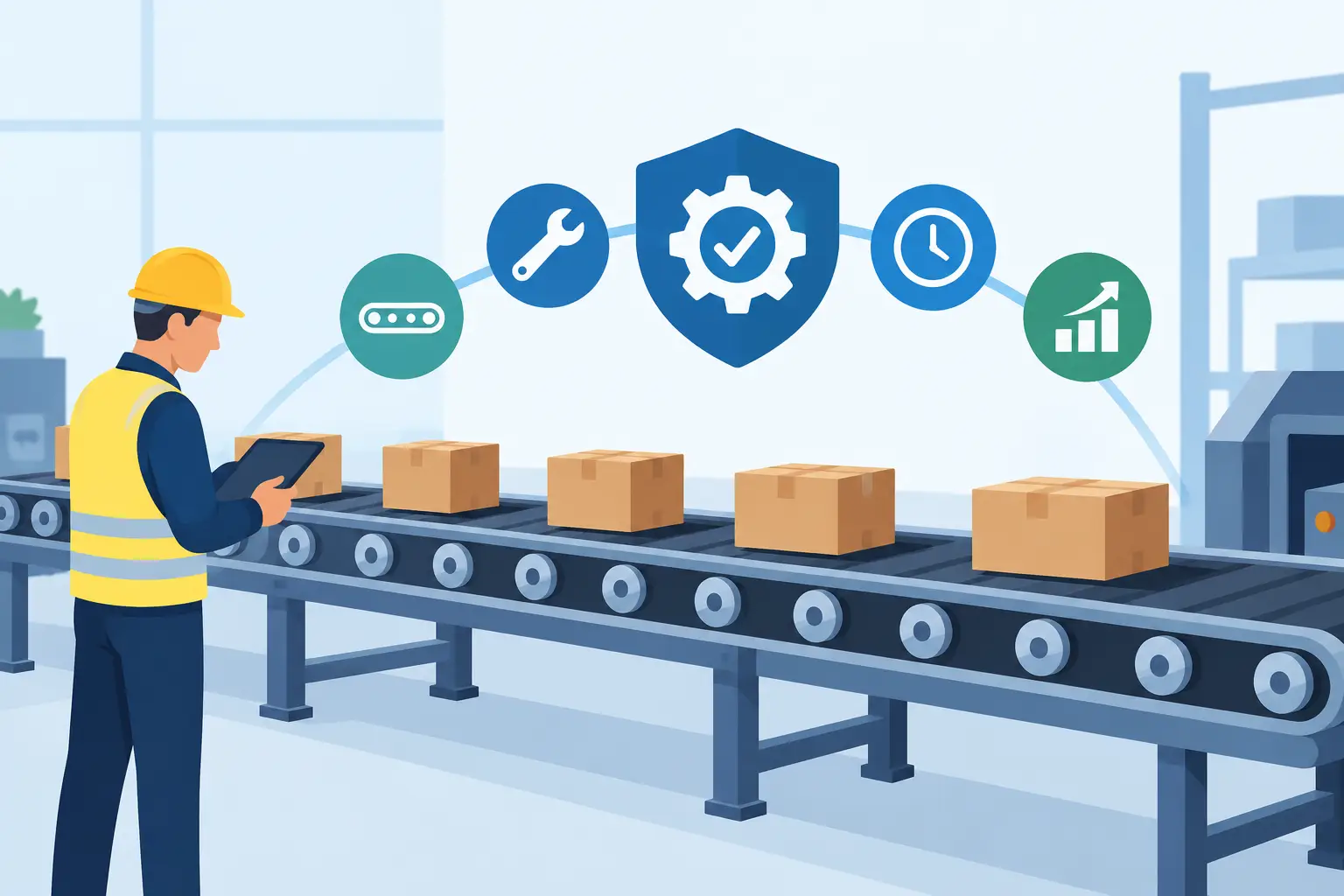
A stopped conveyor in a tunnel or high-output plant is rarely an isolated maintenance issue. It can halt excavation, restrict material removal, disrupt crews downstream and create pressure to restart before the underlying cause is properly addressed. The best conveyor reliability improvement methods focus on preventing those failures through sound design, disciplined inspection, competent maintenance and practical operational control.
Reliability is not achieved by simply replacing worn parts faster. It comes from understanding how the system is operating, identifying recurring failure modes and applying improvements that suit the duty, material, environment and available maintenance windows. In continuous tunnelling and other critical handling operations, that approach protects both production and site safety.
Start with the failures that affect production
Every conveyor has wear points. The priority is to separate normal consumable wear from defects that repeatedly cause unplanned stoppages. Maintenance records should capture more than the component changed. They should record the location, symptoms, likely cause, belt condition, operating load and the time required to return the system to service.
This information often exposes patterns that are otherwise hidden by reactive callouts. Repeated roller seizure in one transfer area, for example, may indicate water ingress, poor sealing, carryback or misalignment rather than a roller supply issue. A recurring belt tear may point to damaged skirting, a chute blockage or sharp material entering at the wrong angle.
For critical conveyors, rank defects by consequence as well as frequency. A failed return idler may be a straightforward repair, while a drive pulley bearing fault, damaged belt splice or electrical control failure can remove a whole section of the operation. The maintenance plan should give the highest consequence items the closest condition monitoring and the clearest response process.
Best conveyor reliability improvement methods for critical systems
1. Control belt tracking at the source
Belt misalignment is one of the most common causes of edge damage, spillage, premature roller wear and unplanned shutdowns. It should not be managed by continually adjusting tracking devices while the underlying geometry remains incorrect.
Check the alignment of head and tail pulleys, idler frames, loading zones and belt take-up arrangement. Confirm that the belt is correctly tensioned and that material is loaded centrally and in the direction of travel. A conveyor that tracks well while empty but runs off under load usually has a transfer or loading problem.
In confined underground work, even a minor tracking issue can progress quickly because access is restricted and material build-up is harder to see. Routine visual checks by trained operators, supported by planned mechanical inspections, are more effective than waiting for belt edge damage to trigger a repair.
2. Improve transfer point design and housekeeping
Transfer points are where reliability is often won or lost. Poor chute geometry, inadequate skirt sealing or uncontrolled material flow creates spillage and carryback. That material then builds around idlers, pulleys and structure, increasing drag and driving premature component failure.
The right solution depends on material characteristics, belt speed, drop height, moisture content and operating duty. Some systems need chute lining or impact beds to manage abrasive loads. Others require improved sealing, better access for cleaning or changes to the loading trajectory. Adding components without addressing the cause can increase maintenance effort without solving the problem.
Housekeeping also needs to be treated as a reliability control, not an afterthought. Defined cleaning standards, safe access and clear ownership reduce the risk of material entering rotating equipment or obscuring developing faults.
3. Use condition-based inspections alongside preventive maintenance
Time-based preventive maintenance remains necessary for lubrication, fastener checks, guarding inspections and scheduled replacement of known wear items. However, fixed intervals alone can lead to unnecessary work on healthy components and missed defects on equipment operating under higher-than-expected load.
Condition-based inspection adds operational evidence to the program. Thermal checks can identify abnormal bearing or drive temperatures. Vibration monitoring can reveal deterioration in motors, gearboxes and pulley bearings. Belt thickness checks, splice inspections and pulley lagging assessments help maintenance teams plan work before a failure becomes urgent.
The most useful condition-monitoring programme is one that site personnel can sustain. Data needs a defined review process, clear alarm thresholds and a maintenance response. Collecting readings that no one uses does not improve reliability.
4. Protect drives, pulleys and take-up systems
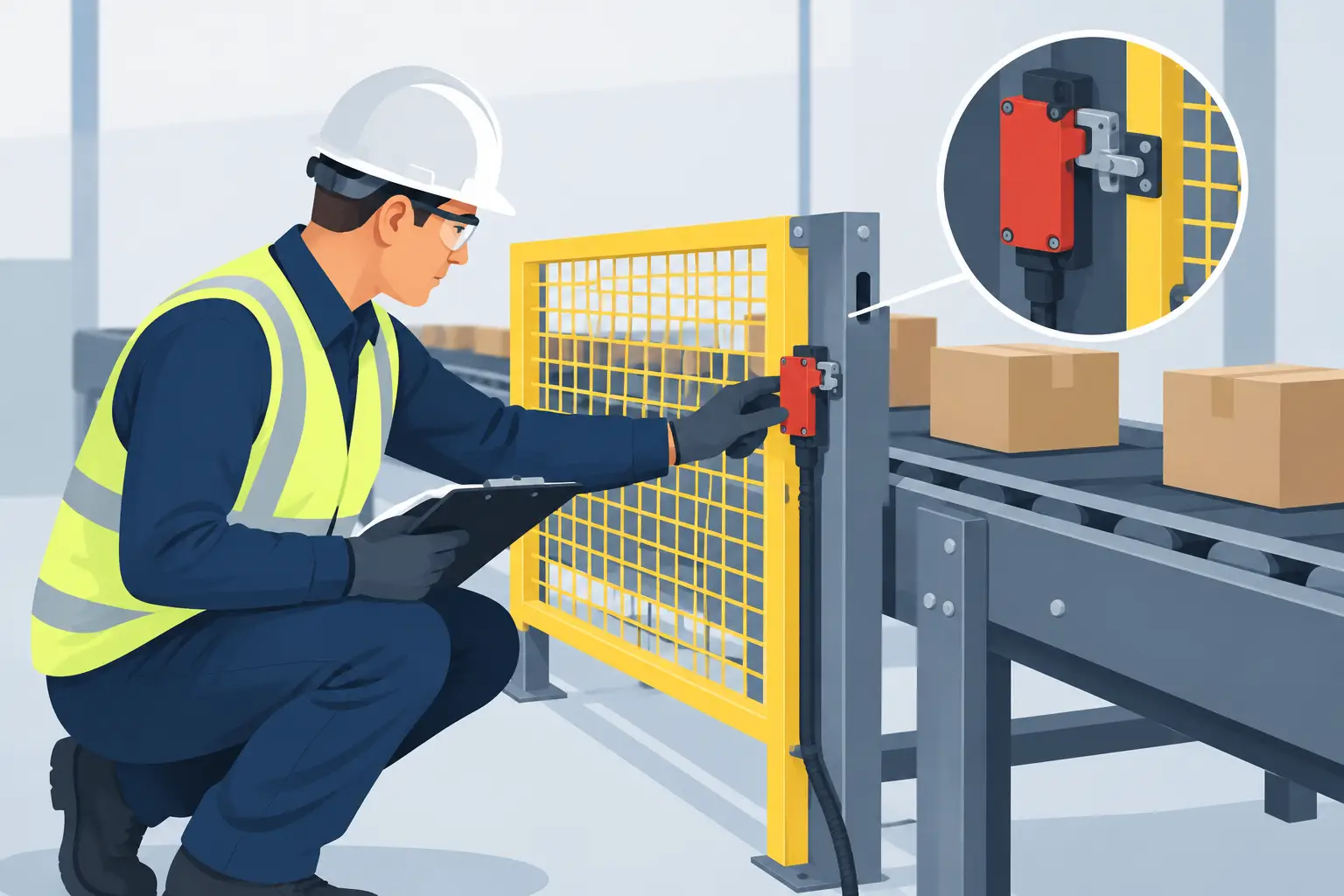
Drive assemblies carry high consequence risk. Inspect motor mounts, gearbox condition, couplings, brakes, guards and electrical connections at intervals matched to the operating environment. Check for oil leaks, unusual noise, vibration, heat and changes in start-up behaviour.
Pulleys require the same level of attention. Lagging wear, contamination, bearing degradation and shell damage can compromise traction and belt tracking. On systems with frequent starts, heavy loading or variable material flow, verify that drive capacity and control settings still match the operating requirement.
Take-up systems should maintain appropriate belt tension without over-tensioning the belt or splice. A take-up that is seized, poorly maintained or set incorrectly can contribute to slip, tracking problems and accelerated belt damage. Any adjustment should be made by personnel who understand the system design and isolation requirements.
5. Standardise critical spares and repair readiness
A well-run conveyor can still experience unexpected damage. Reliability improves when the site can respond with the correct parts, tools and people rather than improvising during a shutdown.
Critical spares should be selected from the actual consequence of failure and realistic supply lead times. Typical holdings may include matched rollers, bearings, pulley components, belt repair materials, scraper blades, electrical consumables, sensors and drive spares. The exact list varies by system, but it must be controlled through accurate part numbers, storage conditions and regular stock review.
Standardising components across compatible conveyor sections can reduce inventory complexity and speed up repairs. There is a trade-off: standardisation should not force a lower-rated or unsuitable component into a high-duty location. Specifications must reflect load, speed, environment and safety requirements.
6. Build reliability into shutdown planning
Planned shutdowns are the opportunity to complete work that cannot safely or effectively be performed during operation. They should be scoped from inspection findings, not filled with generic tasks at the last minute.
A strong shutdown plan identifies the work sequence, isolations, access needs, lifting requirements, personnel competency and acceptance checks before the conveyor returns to service. It also allows crews to bundle related tasks, such as replacing damaged idlers while correcting frame alignment and cleaning a transfer point.
For tunnel projects, shutdown coordination needs to account for the broader production sequence. Mechanical, electrical and operations teams must agree on the window, handover points and restart process. A rushed recommissioning can undo the benefit of a well-executed repair.
Make operators part of the reliability system
Operators are often the first people to hear a bearing change tone, see a belt drifting or notice an increase in spillage. Give them a simple inspection routine and a clear pathway for reporting defects. Their role is not to diagnose every fault or work outside their authority. It is to identify abnormal conditions early and prevent continued operation from escalating damage.
Training should cover practical warning signs: belt edge contact, damaged guards, abnormal vibration, hot smells, leaking gearboxes, scraper performance, blocked chutes and unusual motor loading. It should also reinforce isolation, guarding and exclusion-zone requirements. No production target justifies bypassing a safety control to keep a conveyor moving.
Match the maintenance strategy to the operating environment
A conveyor in a dry warehouse, an aggregate plant and an underground TBM support system do not face the same reliability risks. Moisture, abrasive fines, confined access, changing conveyor lengths, high utilisation and strict project interfaces all influence maintenance requirements.
This is why generic service intervals are only a starting point. High-duty systems may need more frequent inspection of rollers, belts, transfer points and drives, while lower-duty systems may benefit from focused inspections rather than excessive strip-down work. The correct approach is based on operating evidence, engineering requirements and the cost of downtime.
For major infrastructure work, experienced conveyor technicians can also identify whether recurring problems are maintenance-related or need an engineering modification. HP Rural supports this process through installation, inspection, repairs, upgrades and responsive breakdown support for conveyor-dependent operations.
Reliable conveyors are built through repeated good decisions: correct alignment, clean transfer points, planned inspections, qualified repairs and a site team that acts on early warning signs. When these controls are managed as part of daily operations, maintenance becomes a way to protect the programme rather than recover it.