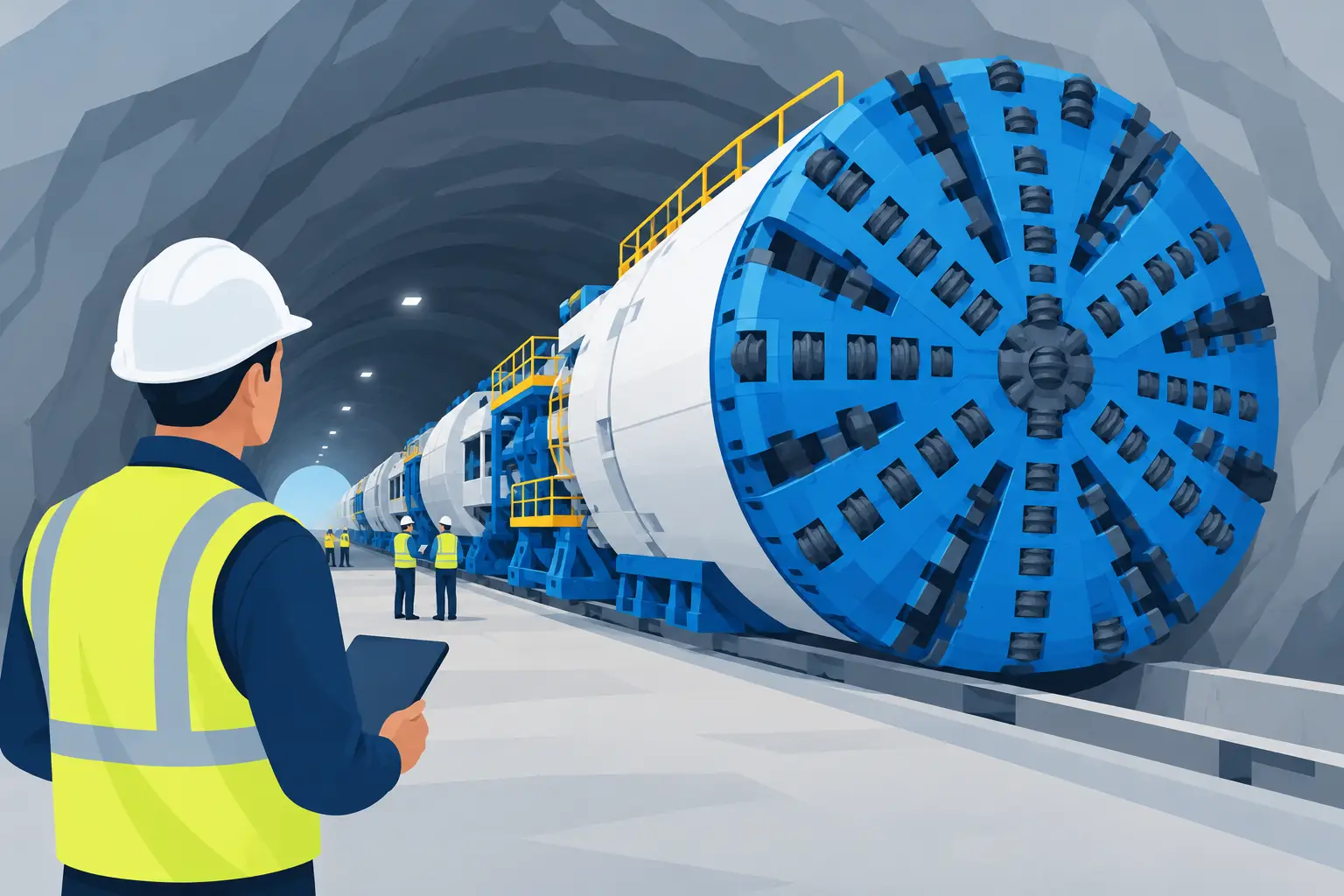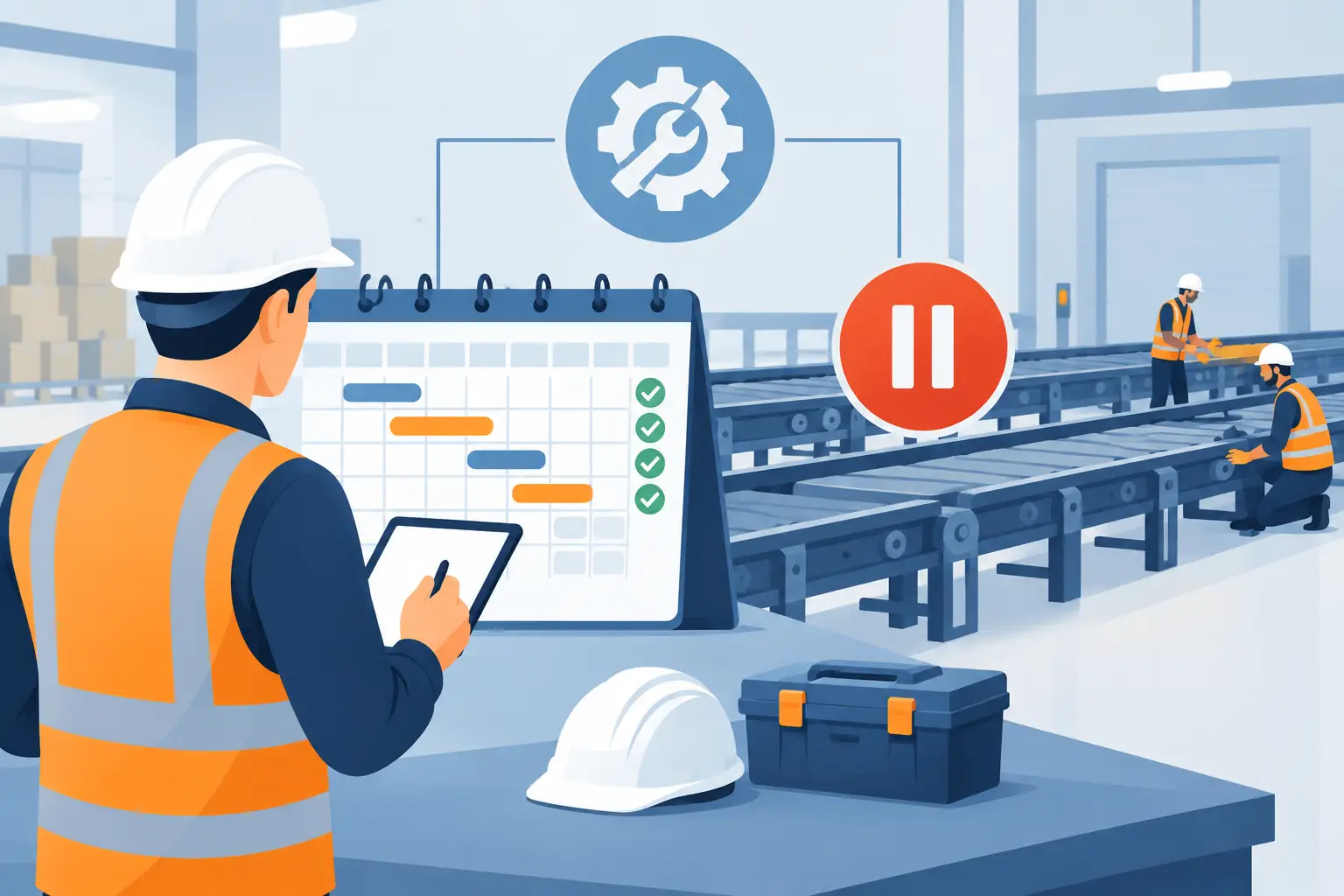
A conveyor shutdown can be the shortest planned window on a programme and still have the biggest effect on production. Knowing how to plan conveyor shutdowns means treating the work as a controlled project, not simply booking a maintenance crew and stopping the belt. In tunnelling, mining, civil infrastructure and other continuous operations, a missed component, unclear isolation point or incomplete handover can turn a routine service window into lost shifts and mounting programme pressure.
The objective is not to make every shutdown longer. It is to complete the right work safely, return the system to service with confidence, and avoid creating defects that emerge once production restarts.
Start with the operating risk, not the task list
A shutdown plan should begin with a clear picture of what happens if the conveyor is unavailable for longer than expected. For a tunnel spoil system, that may affect TBM advance, muck handling, ventilation arrangements, personnel movements and downstream logistics. In a processing or manufacturing environment, it may restrict feed, create product build-up or force plant operators into non-standard operating arrangements.
This context determines the acceptable outage window, the contingency required and which work must take priority. A belt change, drive pulley replacement or major structural repair may warrant a dedicated shutdown with recovery time built in. Smaller inspections, roller replacements and housekeeping can sometimes be bundled into a planned maintenance window. The right approach depends on asset condition, available redundancy and the consequences of delayed restart.
Review recent breakdown history, inspection findings, condition-monitoring data and operator reports before fixing the scope. Repeated belt tracking corrections, elevated bearing temperatures, damaged idlers, carryback, abnormal noise or recurring pull-cord trips are not isolated maintenance items. They may point to a wider alignment, loading or structural issue that should be addressed during the same outage.
Build a shutdown scope that can be executed
A useful scope describes the work in enough detail that supervisors, trades and operations personnel share the same expectation. Avoid broad instructions such as “service conveyor” or “repair belt”. State the location, component, work method, acceptance criteria and any interfaces with adjacent plant.
For example, a drive-end shutdown scope should identify whether the work includes gearbox inspection, coupling alignment, lagging assessment, pulley bearing replacement, guard modifications, electrical testing and recommissioning. It should also identify what is specifically excluded. This prevents late additions after isolation has begun, when changes are more difficult to assess and manage.
Work packs should include current drawings where available, equipment manuals, lift plans, belt specifications, torque settings, inspection sheets and relevant safe work method statements. On long tunnel conveyors, confirm chainage or conveyor section references rather than relying on informal descriptions of location. Clear identification matters when crews are working across multiple transfer points and access routes.
Define the critical path
Not all shutdown activities carry equal risk to the restart date. Identify the tasks that govern completion, particularly those involving lifting, welding, belt vulcanising, electrical fault-finding, curing times, inspections or specialist access. Allow realistic durations based on site conditions, not ideal workshop conditions.
Confined access, wet conditions, restricted lifting clearances and travel time along an underground conveyor route can materially affect productivity. If a critical task requires a crane crew, riggers, an electrician and mechanical trades to work in sequence, build that sequence into the programme. Do not assume each crew can work independently in the same space.
Confirm isolation, access and safety controls early
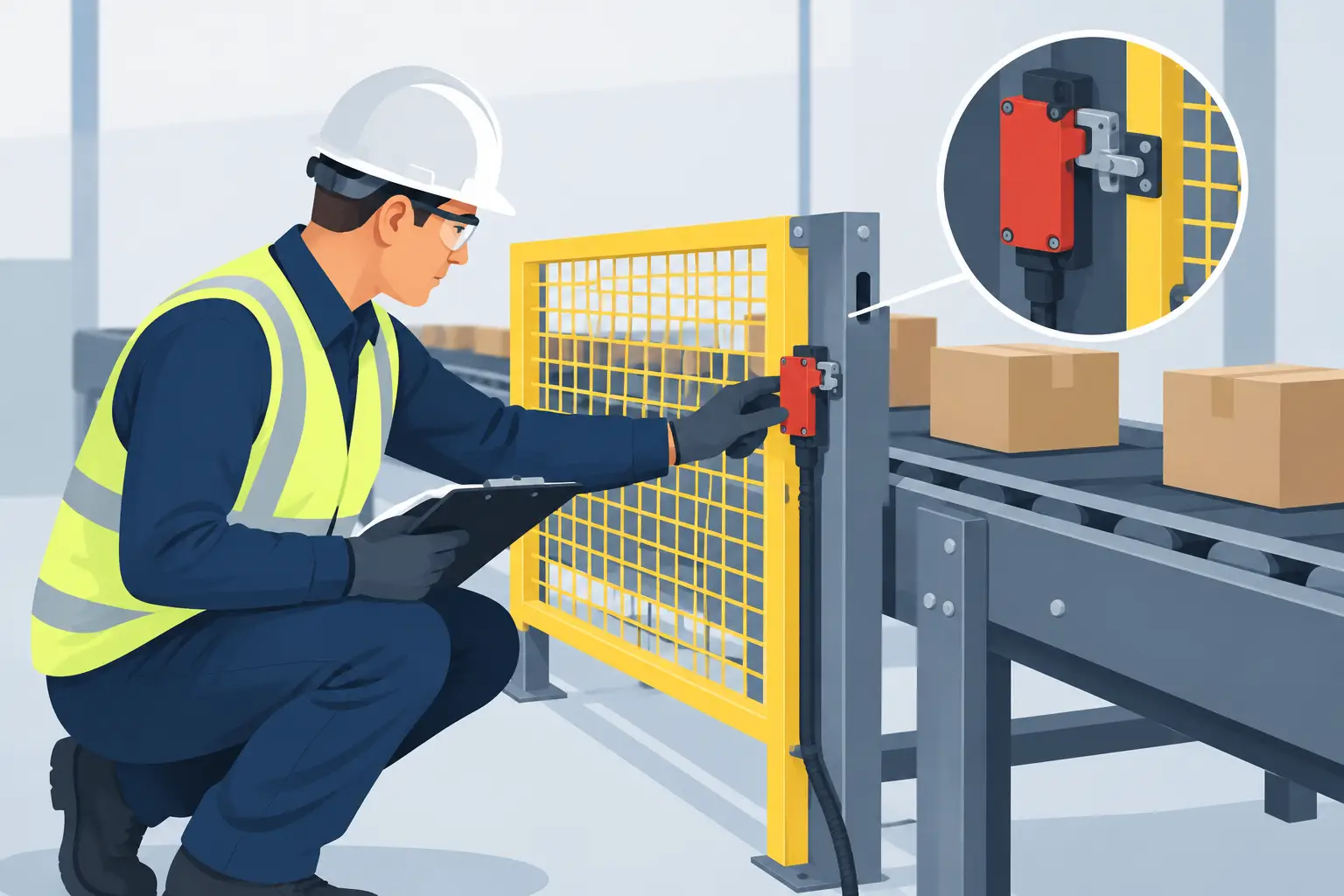
The shutdown should be planned around safe control of energy. Conveyor systems can contain electrical, mechanical, hydraulic, pneumatic and gravity energy, with additional hazards from stored belt tension, counterweights and suspended loads. Isolation arrangements must be site-specific and verified against the actual system configuration.
Develop the isolation plan with authorised electrical personnel, mechanical supervision and operations representatives. It should identify all energy sources, isolation points, lock-out and tag-out responsibilities, test-for-dead requirements, communication methods and the process for changing shift personnel. Where multiple conveyors, feeders or transfer systems interact, confirm whether upstream and downstream equipment can introduce material or movement into the work area.
Access needs equal attention. Check walkways, platforms, lighting, ventilation, emergency egress, lifting points and exclusion zones before the shutdown starts. A repair that appears straightforward can stall when a work platform is not available, a lifting beam has not been certified, or material cannot be transported safely to the required location.
For underground works, coordinate access with the broader shift plan. TBM activities, rail movements, ventilation changes and other construction work can affect when crews and equipment can safely reach the conveyor. Early coordination is generally far more effective than trying to resolve competing access demands during the outage.
Secure labour, equipment and spares before the stop
Shutdowns rarely fail because a crew cannot fit a bearing. They fail because the correct bearing, locking assembly, puller, lifting gear, fasteners or replacement roller is not at the workface when it is needed. Verify parts against equipment serial numbers, drawings and measurements. Similar components are not always interchangeable, particularly on customised tunnel conveyor installations.
A pre-shutdown readiness check should confirm four areas:
- competent personnel and supervision for each task, including electrical and lifting work
- inspected tools, lifting equipment, welding plant and access equipment
- parts, consumables and suitable contingency stock at or close to the work location
- permits, drawings, inspection records and isolation documentation ready for use.
Contingency stock should be proportionate to the risk. Carrying every possible spare is not practical, but known failure items and long-lead components deserve attention. For critical conveyors, this may include idlers, bearings, scrapers, belt repair materials, tracking components, sensors, switches and drive-related spares. The best shutdown plans also nominate an approved decision-maker who can authorise additional work if inspection reveals a developing defect.
Qualified fitters, electricians, boilermakers, welders, operators and supervisors must be allocated to the actual work sequence. Labour numbers alone do not provide capability. A shutdown involving a belt splice, pulley lift and electrical recommissioning requires the right mix of specialist skills at the right time.
Use a controlled execution rhythm
Start the shutdown with a pre-start briefing that covers scope, hazards, isolation status, work boundaries, responsibilities and escalation points. This is where the plan is checked against current site conditions. If conditions have changed, such as unexpected material build-up, damaged guarding or unavailable access, revise the plan rather than forcing the original sequence.
During execution, supervisors should track critical tasks against the schedule and record findings as work progresses. A short coordination meeting at defined intervals helps identify delays early, particularly where one trade is waiting on another or where an inspection outcome may change the scope.
Quality checks should occur during the job, not only at the end. Confirm pulley and idler alignment before guards are reinstated. Check belt tracking while access remains available. Verify fastener torque, lubrication, scraper settings, sensor positions and weld quality against the work pack. Rectifying an issue before demobilisation is safer and more efficient than responding to a restart failure.
Plan recommissioning as a separate phase
A common mistake is treating guard replacement and lock removal as the end of the shutdown. Recommissioning needs its own sequence, responsible persons and acceptance criteria. The system should be inspected to confirm tools, waste materials, temporary supports and personnel have been removed; guards and safety devices are installed; and all permits are properly closed.
Return the conveyor to service progressively where possible. Begin with no-load checks to observe belt tracking, pulley rotation, vibration, abnormal noise, drift switches, emergency stops and interlocks. Follow with controlled loaded operation while monitoring transfer points, drive load, belt behaviour and any repaired sections.
Operations should formally accept the conveyor only when agreed performance checks are complete. Where a repair requires bedding-in or closer observation, define the monitoring period and nominate who will inspect it. This is particularly relevant after belt work, pulley replacement, structural modifications and drive alignment.
Capture what the shutdown revealed
The shutdown record should document completed work, inspection results, parts used, defects found, test outcomes and follow-up actions. This information improves the next maintenance plan and supports decisions on component life, stockholding and upgrade priorities.
Patterns matter. If the same transfer point repeatedly damages idlers or causes carryback, replacing individual components may only treat the symptom. If drive faults recur after electrical resets, the issue may be load-related, sensor-related or connected to mechanical resistance elsewhere on the line. Use shutdown findings to target the cause, not just restore operation.
For high-demand conveyor systems, dependable shutdown delivery comes from preparation, disciplined isolation, suitable resources and a recommissioning process that proves the repair. HP Rural supports this work with experienced conveyor personnel who understand the practical constraints of continuous infrastructure operations. A well-planned shutdown should leave the next shift with a safer system, clearer asset information and fewer reasons for an urgent call-out.