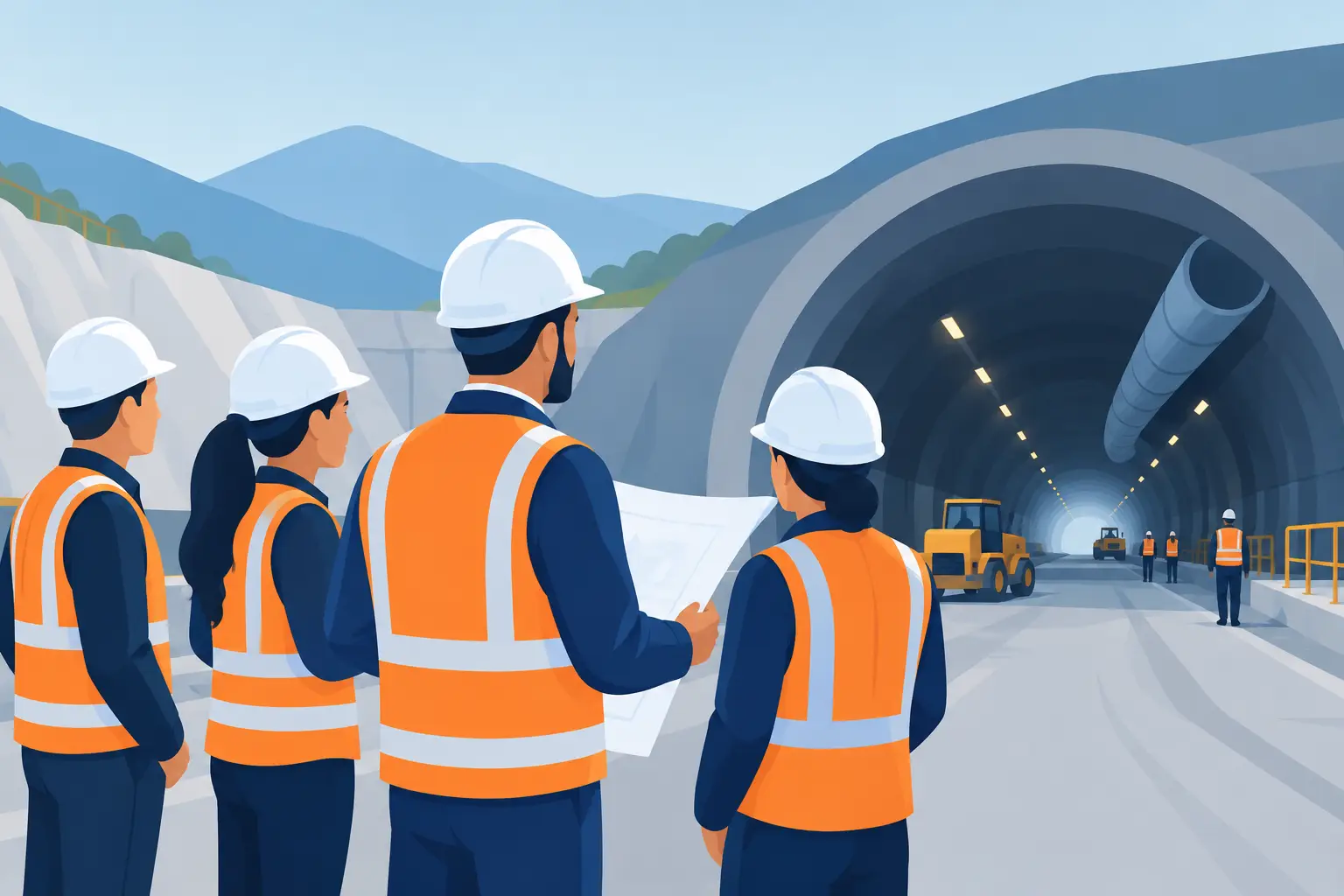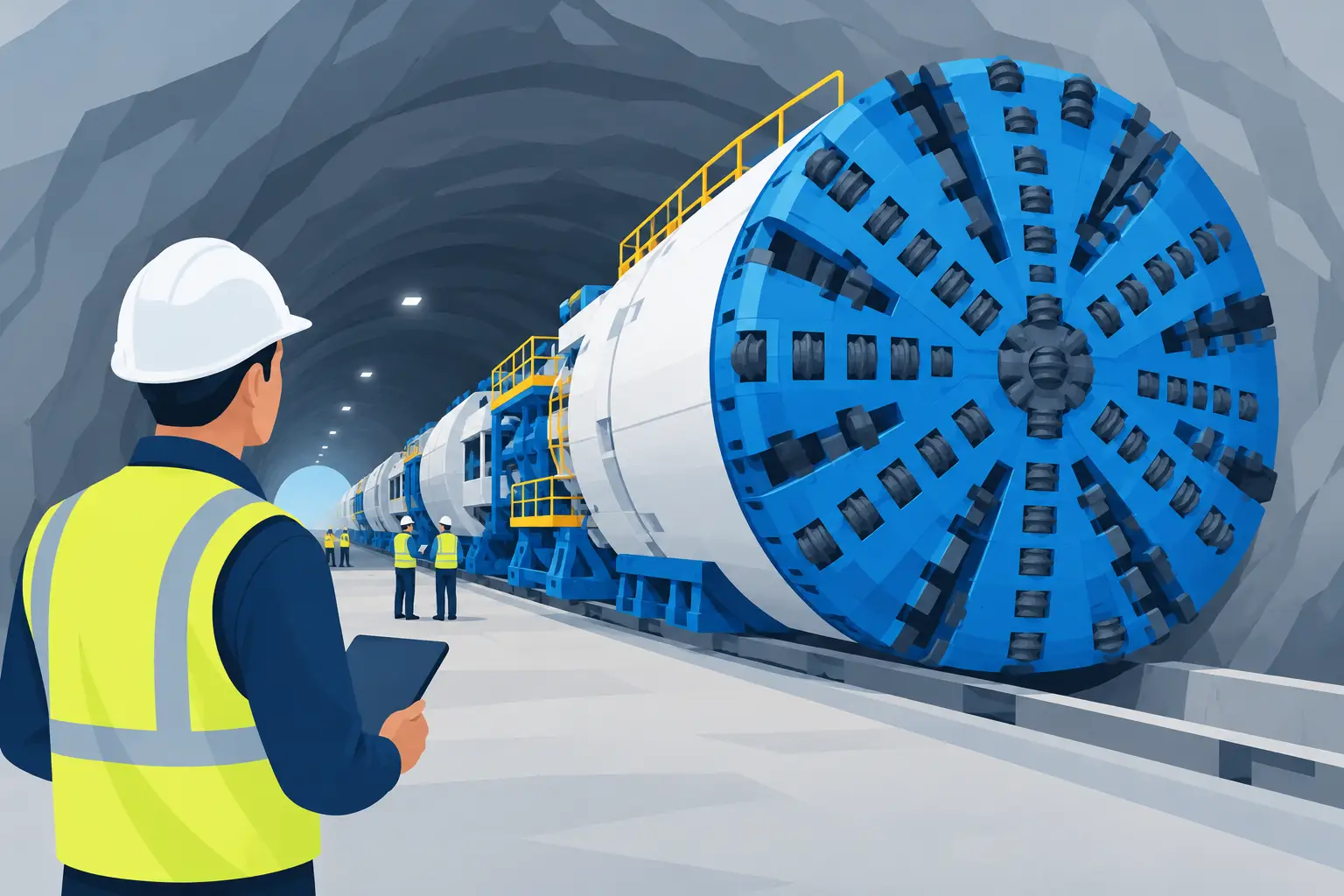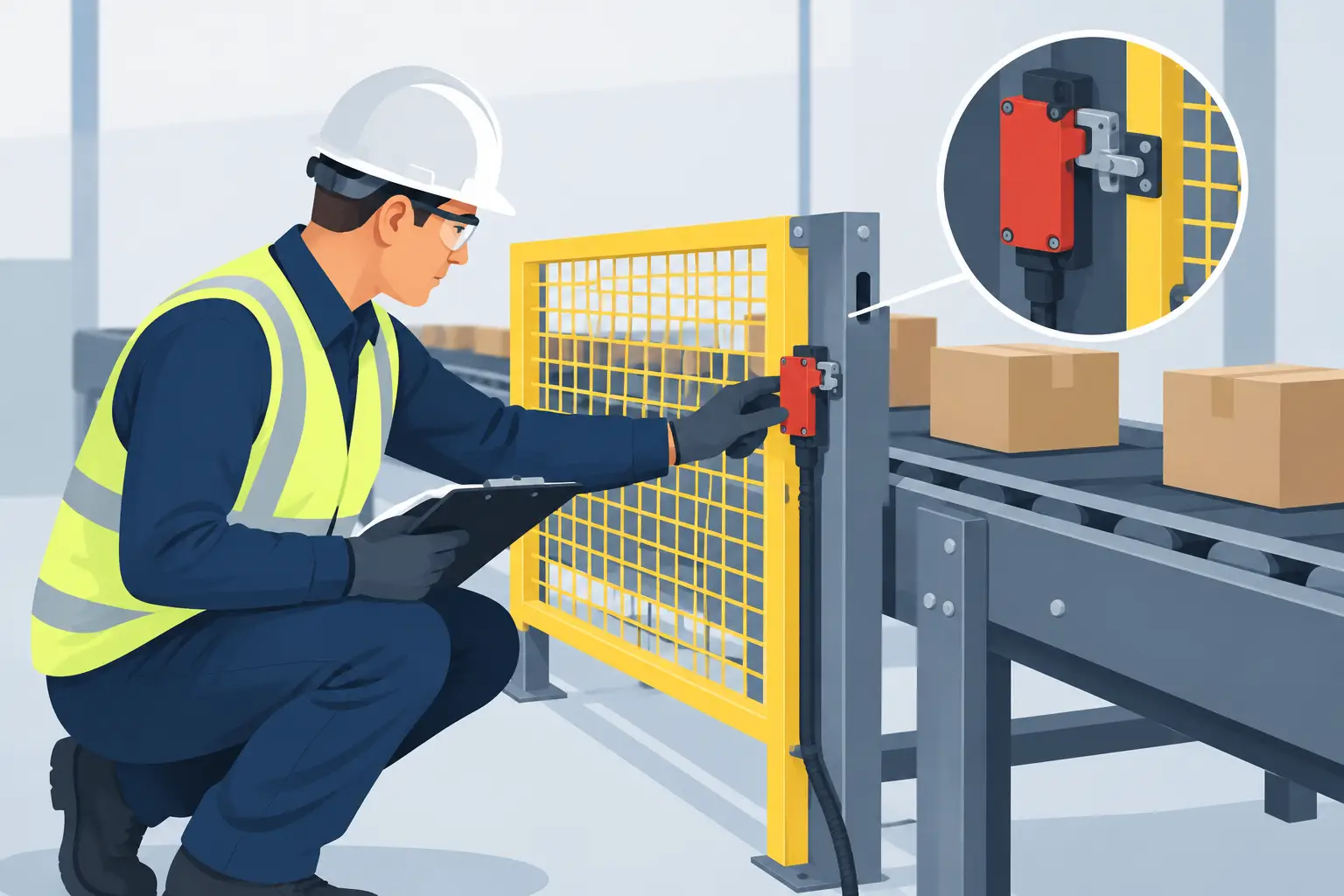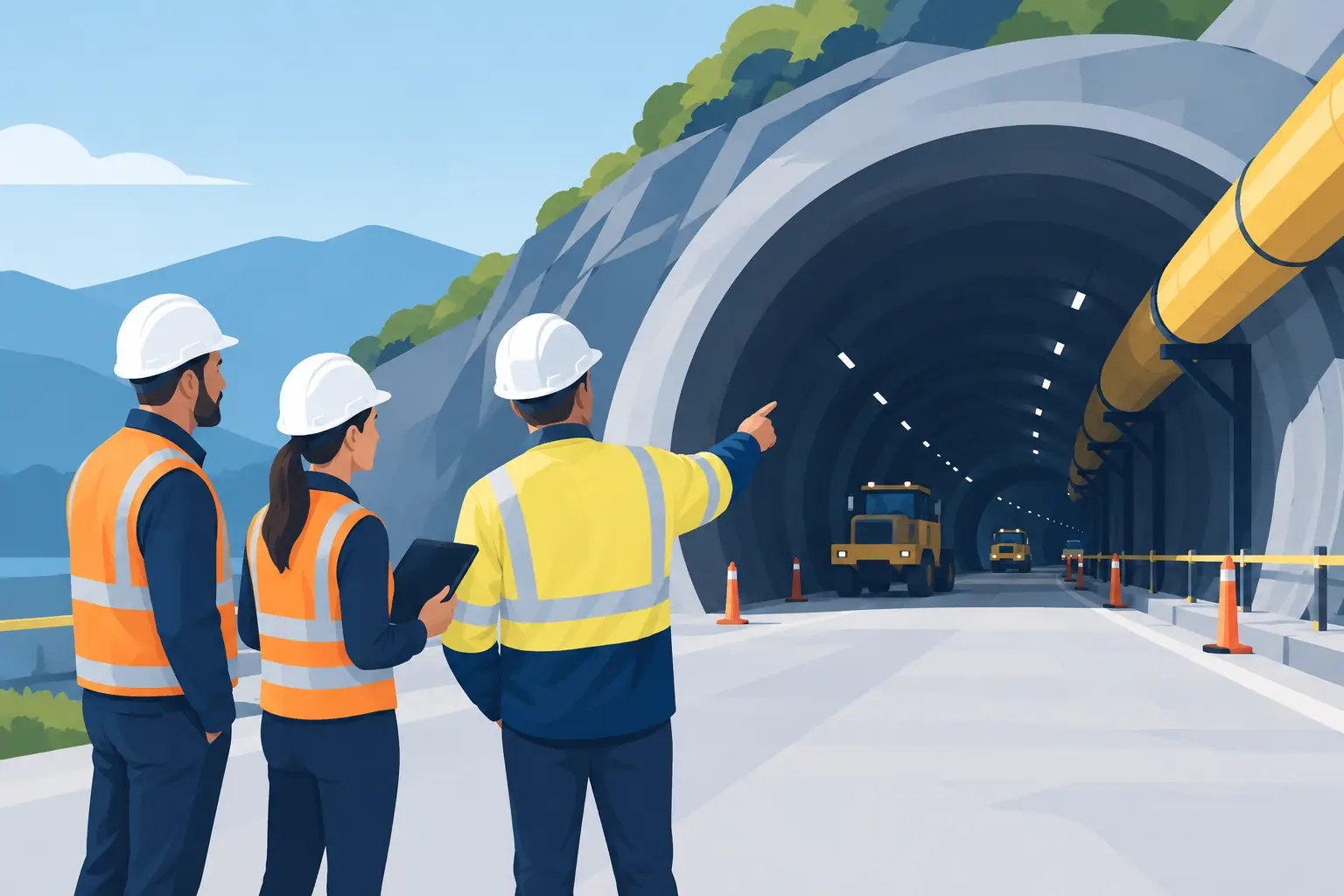
A tunnel programme rarely loses time because a position was simply vacant. It loses time when the right capability is unavailable at the face, at the conveyor transfer point, in the electrical room or on the shift where an issue needs immediate attention. Australian tunnel staffing is therefore not a generic labour-hire exercise. It is a planned operational function that matches competent people to high-risk work fronts, changing production demands and strict project controls.
For project managers and maintenance leaders, the objective is clear: maintain safe production without creating avoidable handover gaps, rework or reliance on unverified personnel. That requires more than filling a headcount. It requires a workforce partner that understands underground access, plant interfaces, permit systems, shift coverage and the consequences of conveyor or TBM downtime.
Why Australian tunnel staffing requires specialist planning
Tunnelling teams work in an environment where space, access and timing are constrained. A delay in changing a damaged belt roller, responding to a conveyor tracking problem or restoring a critical electrical circuit can affect excavation rates, spoil handling, segment delivery and multiple downstream activities. The crew attending the work must be capable, properly inducted and ready to work within the site’s engineering and safety requirements.
The staffing model also changes as a project progresses. Early works may require civil supervision, general plant operators, crane crews and labour support. Once excavation begins, demand can shift quickly towards TBM personnel, fitters, electricians, mechanics, welders and conveyor maintenance crews. During commissioning or upgrades, the balance may move again towards electrical tradespeople, PLC technicians, engineers and specialist supervisors.
A labour plan that treats these phases as identical can leave a project exposed. Overstaffing adds cost and congests work areas. Understaffing creates fatigue, delayed maintenance and an increased likelihood that defects are allowed to develop into failures. The practical answer is a scalable crew structure that can be adjusted without lowering competency standards.
Build crews around the work fronts, not job titles alone
Job titles matter, but they do not tell the full story underground. A mechanical fitter may be highly capable in a workshop yet need additional experience to work effectively around live conveyor systems, restricted access points and tightly controlled isolation procedures. Similarly, an operator with extensive surface plant experience may require project-specific familiarisation before working around a roadheader, jumbo or TBM.
The most reliable staffing decisions start with the work fronts and their operating risks. For continuous tunnelling operations, that typically means understanding where spoil is generated, how it is transported, which assets are critical to production and where response time is most important. It also means identifying which roles must be permanently embedded in the shift structure and which can be provided as planned supplementary support.
A capable workforce may include mechanical tradespeople for conveyors and fixed plant, industrial electricians for power and controls, operators for TBMs and associated equipment, and leading hands who can coordinate work safely across interfaces. Crane operators, riggers and dogmen are required where lifting is part of component replacement or installation. Engineers and technical personnel add value when modifications, commissioning, fault investigation or production optimisation require disciplined technical input.
This approach avoids a common problem: engaging personnel only after a workfront is already under pressure. By then, the project may be selecting from whoever is immediately available rather than who is best suited to the task.
Critical roles need clear coverage arrangements
Not every position requires the same level of redundancy. A large project may have several general support personnel available across a shift, while a single specialist role could represent a significant operational risk if no relief arrangement exists. TBM pilots, ring builders, control system technicians, leading hands and key conveyor maintenance personnel should have clear coverage plans for leave, absenteeism, shift changeovers and peak activity periods.
This is especially relevant for conveyor-dependent projects. Material handling systems are not peripheral equipment when they control spoil movement from the excavation area. If a belt, drive, chute or transfer point is unavailable, the impact can reach well beyond the maintenance crew. Staffing should allow for preventive inspection and planned repairs, not only breakdown attendance.
Competency, verification and site readiness
Tunnel staffing must be supported by a consistent verification process. Trade qualifications, licences and tickets are a starting point, but project delivery depends on whether personnel can apply those credentials in the conditions they will actually encounter.
Before mobilisation, project teams should confirm role-specific experience, current competencies, medical and fitness requirements, high-risk work licences where applicable, and familiarity with the project’s safety management systems. Personnel also need to understand emergency response arrangements, communication protocols, access restrictions, isolation and lockout procedures, and the escalation path for equipment defects.
For technical roles, practical experience should be tested against the scope. A fitter assigned to conveyor work should be confident with pulley, roller, belt and structure maintenance. An electrical tradesperson supporting underground operations should understand fault-finding disciplines, industrial installations and controlled energisation processes. Supervisors need more than technical knowledge: they must be able to manage permits, coordinate interfaces and stop work when conditions do not meet the required standard.
Inductions are necessary, but they should not be mistaken for capability. A thorough mobilisation process combines induction with role matching, documented competency checks and a clear understanding of who is responsible for each workfront.
Plan for maintenance as part of production
The strongest tunnel workforce plans do not separate production and maintenance into competing priorities. They recognise that planned maintenance protects production. When tradespeople are only called after failure, the job is often more complex, less predictable and more exposed to time pressure.
A maintenance-ready staffing model gives teams enough capacity to complete inspections, lubrication, alignment checks, condition monitoring and minor corrective work during available windows. It also ensures that major interventions can be planned with the appropriate fitters, electricians, welders, lifting personnel and supervision rather than assembled at short notice.
There is a trade-off. Keeping a large specialist team on site at all times may not be commercially justified, particularly during lower-intensity project phases. However, reducing permanent crew numbers should be matched with a tested rapid-response arrangement, known escalation contacts and access to qualified personnel who can attend when required. The appropriate model depends on production criticality, equipment condition, site location and the consequence of downtime.
HP Rural supports this requirement by supplying personnel with practical experience across conveyor systems and demanding tunnelling operations, from installation and commissioning through to maintenance, repairs and breakdown response.
Shift handovers are a safety and reliability control
In continuous operations, a poor handover can undo otherwise competent work. Information about an emerging vibration issue, a temporary repair, an isolation status or a recurring electrical fault must move accurately between crews. Verbal updates alone are not enough when equipment availability and worker safety depend on the detail.
Supervisors should establish a handover routine that records work completed, outstanding defects, equipment status, permits, isolations and changes to the planned work sequence. Leading hands and key technical personnel should be involved when a fault or modification crosses shift boundaries. This is particularly important where temporary controls have been applied pending permanent repair.
Consistent crews help, because familiarity with the plant and site conditions improves judgement. However, continuity must not become complacency. Regular review of hazards, work methods and defect trends keeps experienced teams alert to changes in the operating environment.
Choosing a staffing partner for tunnel delivery
Procurement decisions should look beyond hourly rates and availability. The more useful question is whether the provider can supply the specific capability required, verify it properly and support the project as the workforce profile changes.
A suitable partner should be able to provide skilled tradespeople, plant and equipment operators, electrical personnel, supervisors, crane crews, engineers, TBM specialists and site support staff as required. Just as importantly, they should understand that a tunnel is an integrated operation. The person assigned to a role must work effectively with the surrounding crew, equipment and project controls.
Responsiveness also matters. Projects need confidence that additional personnel can be mobilised for planned shutdowns, commissioning milestones, unexpected repairs or schedule recovery work. That response needs to remain controlled. Fast mobilisation is valuable only when it includes the right verification, induction and site readiness process.
The best staffing decisions are made before the workfront becomes critical. Map the skills needed for the next project phase, identify where single points of failure sit in the roster, and put competent coverage in place while there is still time to do it properly. Underground production depends on people as much as plant, and the right crew gives every shift a safer, more reliable starting point.