A stopped conveyor in a tunnel, quarry, processing plant or logistics facility is rarely an isolated mechanical issue. Material backs up, downstream equipment loses supply, crews are diverted and production milestones come under pressure. A preventative conveyor maintenance program provides the planned inspections, servicing and corrective work needed to find deterioration before it becomes a breakdown.
For high-demand operations, the aim is not simply to complete routine checks. It is to maintain safe, predictable material movement while managing the realities of abrasive material, variable loading, water ingress, confined access and continuous operating hours. The right program is based on the equipment’s duty, condition and operational consequences – not a generic checklist applied at the same interval to every conveyor.
What a preventative conveyor maintenance program should achieve
A well-managed maintenance program protects three connected outcomes: availability, safety and asset life. When rollers seize, belts mistrack or pulleys become damaged, the immediate concern may be lost tonnes or delayed spoil removal. The underlying risks can be more serious, including belt damage, fire exposure, entanglement hazards, structural failure and unplanned work in difficult access areas.
Planned maintenance creates time to isolate equipment properly, complete work under site controls and verify the repair before the conveyor returns to service. This is especially valuable on tunnelling and major civil projects, where a conveyor can be central to TBM or roadheader production and an unscheduled stoppage can affect multiple work fronts.
A practical program should identify developing faults, prioritise defects according to consequence, plan labour and parts requirements, and record trends that support better maintenance decisions. It should also make clear who owns each action. A defect report without a nominated priority, due date and responsible person is only an observation.
Start with the conveyor’s operating reality
Maintenance frequency depends on more than calendar time. A lightly loaded surface conveyor operating one shift per day does not face the same wear profile as a continuously operating underground system carrying wet, abrasive spoil. Running hours, belt speed, transfer point design, material characteristics, environmental conditions and access constraints all affect inspection intervals.
The program should begin with an asset register that captures each conveyor’s critical components and operating role. This includes belts, pulleys, drives, gearboxes, idlers, bearings, take-up systems, skirting, chutes, belt cleaners, guards, emergency stops, pull-wire switches and electrical controls. Where practical, the register should also identify installed component types, sizes and spare part references.
Criticality ranking is the next step. A failed return roller on a short redundant conveyor may be manageable during a planned shift break. A damaged head pulley bearing on the primary spoil conveyor may stop the entire operation. The second asset needs closer monitoring, identified spares and a clear response plan.
Build inspections around common failure modes
Routine inspections are most effective when technicians know what they are looking for and why it matters. A belt that is wandering can be a sign of material build-up, poor loading, misaligned structure, seized rollers, pulley lagging wear or an issue with the take-up system. Adjusting tracking without addressing the cause can turn a developing defect into ongoing belt edge damage.
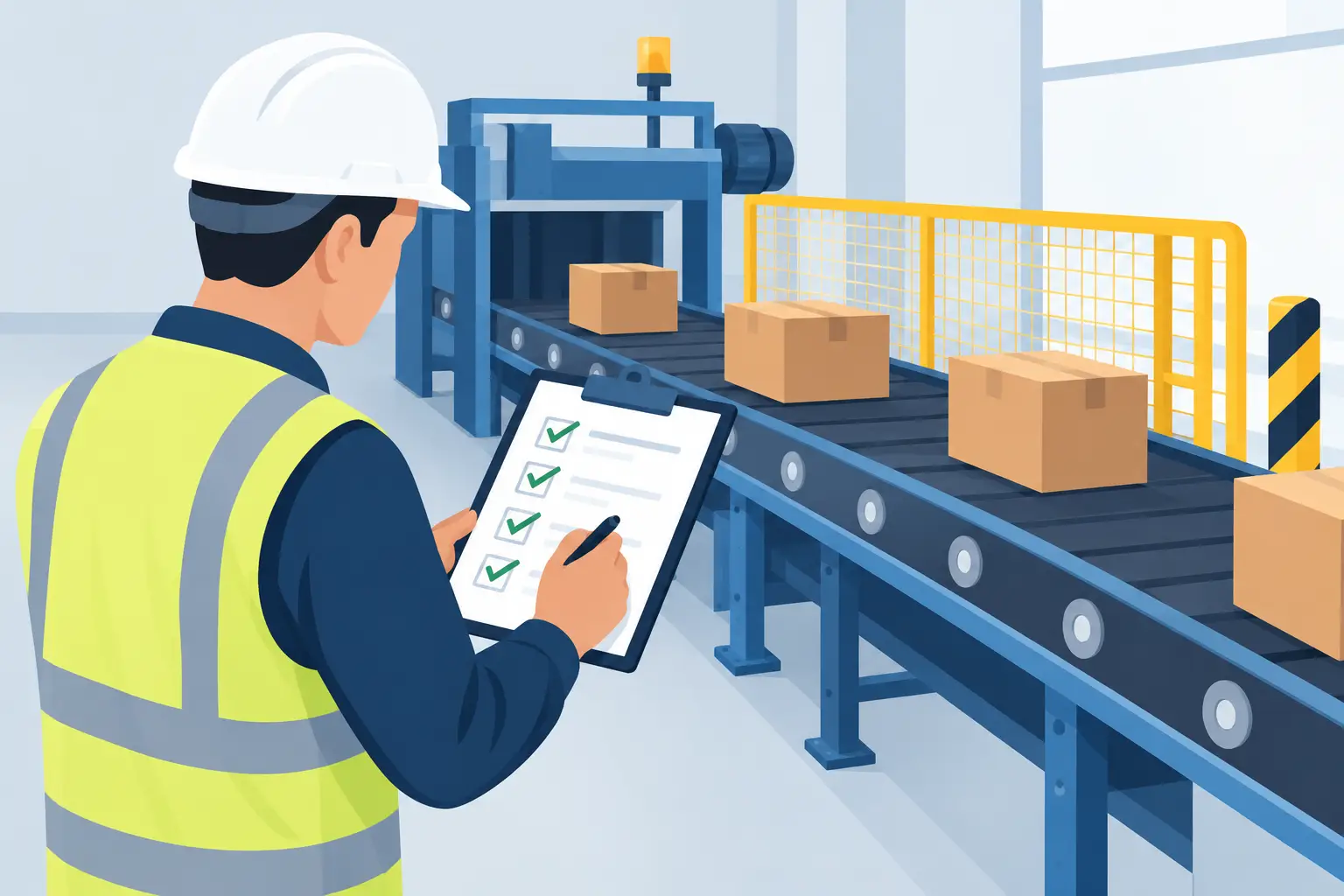
Visual checks should cover belt condition, tracking, spillage, abnormal noise, vibration, heat, guarding and housekeeping around the conveyor. Technicians should inspect transfer points for impact damage and ineffective skirting, as these areas often drive accelerated belt cover wear and carryback.
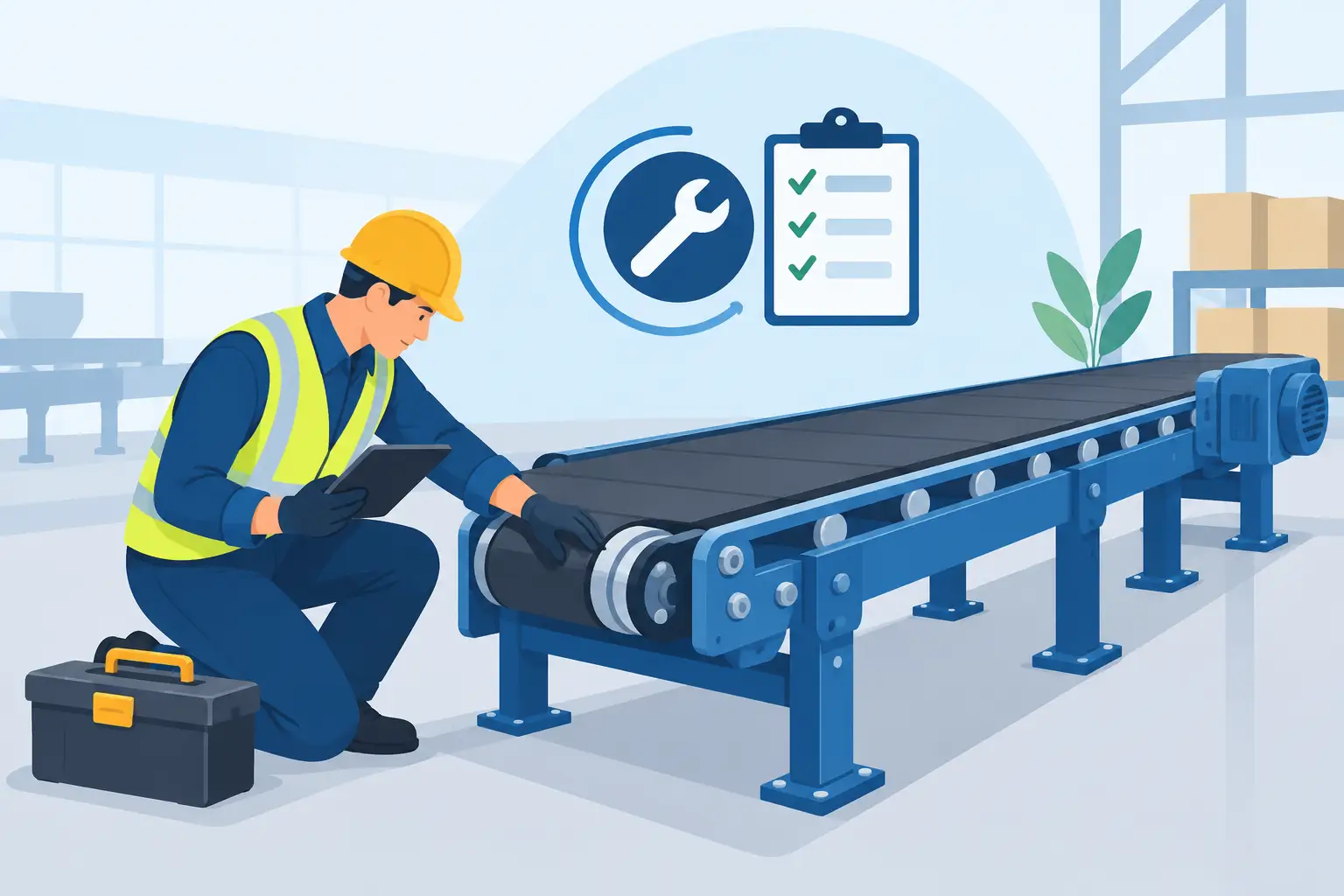
Mechanical inspections need to focus on components that fail under load. Idlers should rotate freely and show no signs of excessive wear, seizure or material packing. Pulleys require checks for lagging condition, shell wear, bearing noise, shaft movement and alignment. Drive assemblies should be assessed for oil leaks, coupling wear, gearbox noise, motor condition and mounting security.
Electrical and safety checks should not be treated as separate from conveyor reliability. Emergency stops, pull-wire switches, drift switches, interlocks, alarms and control circuits must function as designed. Damaged cables, poor cable support and nuisance trips can compromise availability as readily as a worn mechanical component. Testing must be completed under approved isolation, commissioning and site safety procedures.
Use condition data to plan work before failure
Scheduled inspections provide the baseline, but condition monitoring helps maintenance teams intervene at the right time. Temperature readings at bearings and drives can identify heat build-up. Vibration monitoring can indicate bearing wear, imbalance or alignment issues. Oil analysis may be suitable for high-value gearboxes, while belt thickness measurements can help forecast replacement requirements on abrasive applications.
Not every site needs a complex monitoring system. The value depends on asset criticality, available data, operating hours and the cost of a failure. For a critical long-distance conveyor, trend data can justify targeted shutdown work and reduce the risk of major damage. For lower-risk plant, disciplined visual inspections and accurate defect records may provide the most practical result.
The key is consistency. A single temperature reading provides limited insight. Readings taken at defined points, under comparable operating conditions, can reveal deterioration before it becomes visible or audible.
Plan shutdown work, labour and spares together
A maintenance plan fails when a required repair is identified but cannot be completed because the correct labour, lifting equipment or component is not available. Planned shutdowns should be scoped early and matched to the actual work package. This may require fitters, electricians, boilermakers, welders, riggers, dogmen, supervisors and plant operators, depending on the task.
For major infrastructure projects, work planning also needs to account for permit requirements, isolation points, underground access, ventilation, lifting plans and the interaction with other trades. A replacement pulley or belt section may be straightforward on paper but difficult to transport, position and install in a constrained tunnel environment.
Critical spares should be determined through risk rather than convenience. Holding every possible component on site is expensive and can create stock-control issues. However, selected stock of high-consequence items such as rollers, bearings, belt repair materials, pulleys, drive components, scrapers, switches and electrical consumables can substantially reduce recovery time. Suppliers should be able to confirm component compatibility and lead times before an urgent requirement arises.
Measure the program by outcomes, not completed checklists
Completion rates matter, but they do not prove that the program is controlling risk. Maintenance leaders should review repeat defects, unplanned stoppage hours, belt damage incidents, component consumption, response times and the proportion of corrective work completed by its due date.
Repeat failures deserve particular attention. If the same roller line, pulley bearing or belt section repeatedly develops faults, the cause may sit upstream in loading conditions, alignment, contamination, structural movement or operating practice. Replacing the failed item without investigating the pattern increases costs and leaves availability exposed.
Maintenance reporting should give project and plant leaders a clear view of current risk. A concise report can show completed inspections, critical defects, planned shutdown scope, parts status and decisions required from site management. This supports better production planning and prevents significant issues from being hidden among low-priority observations.
Make safety part of every maintenance decision
Conveyor maintenance involves stored energy, moving plant, pinch points, lifting operations, work at height and, in some environments, restricted access and poor visibility. The program must align with site-specific safe work methods, lockout and tagout requirements, permit systems and inspection standards.
There is a balance to manage. Deferring work can avoid a short production interruption, but it may increase the chance of a longer and less controlled failure later. Conversely, shutting down equipment too frequently for low-risk work can disrupt the project without improving reliability. Defect classification, experienced technical judgement and accurate condition information allow supervisors to make that decision with confidence.
HP Rural supports conveyor maintenance across demanding infrastructure and industrial environments with qualified personnel, component support and responsive repair capability. The strongest results come when maintenance technicians, operations crews and project management work from the same asset priorities and shutdown plan.
A preventative conveyor maintenance program earns its value before the breakdown occurs. When inspection findings lead to timely repairs, suitable spares and properly resourced work, the conveyor remains a dependable part of the operation rather than the next source of schedule pressure.