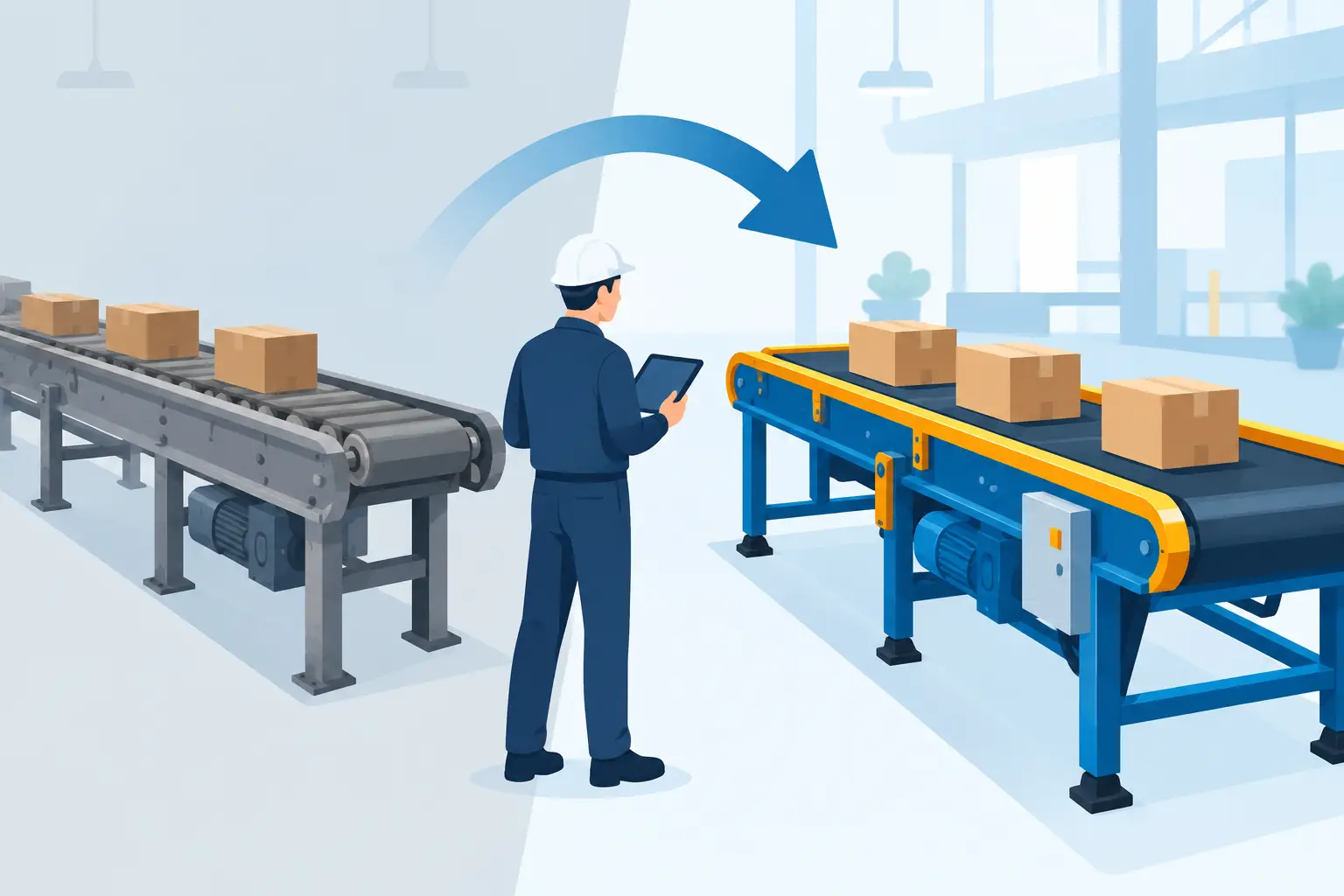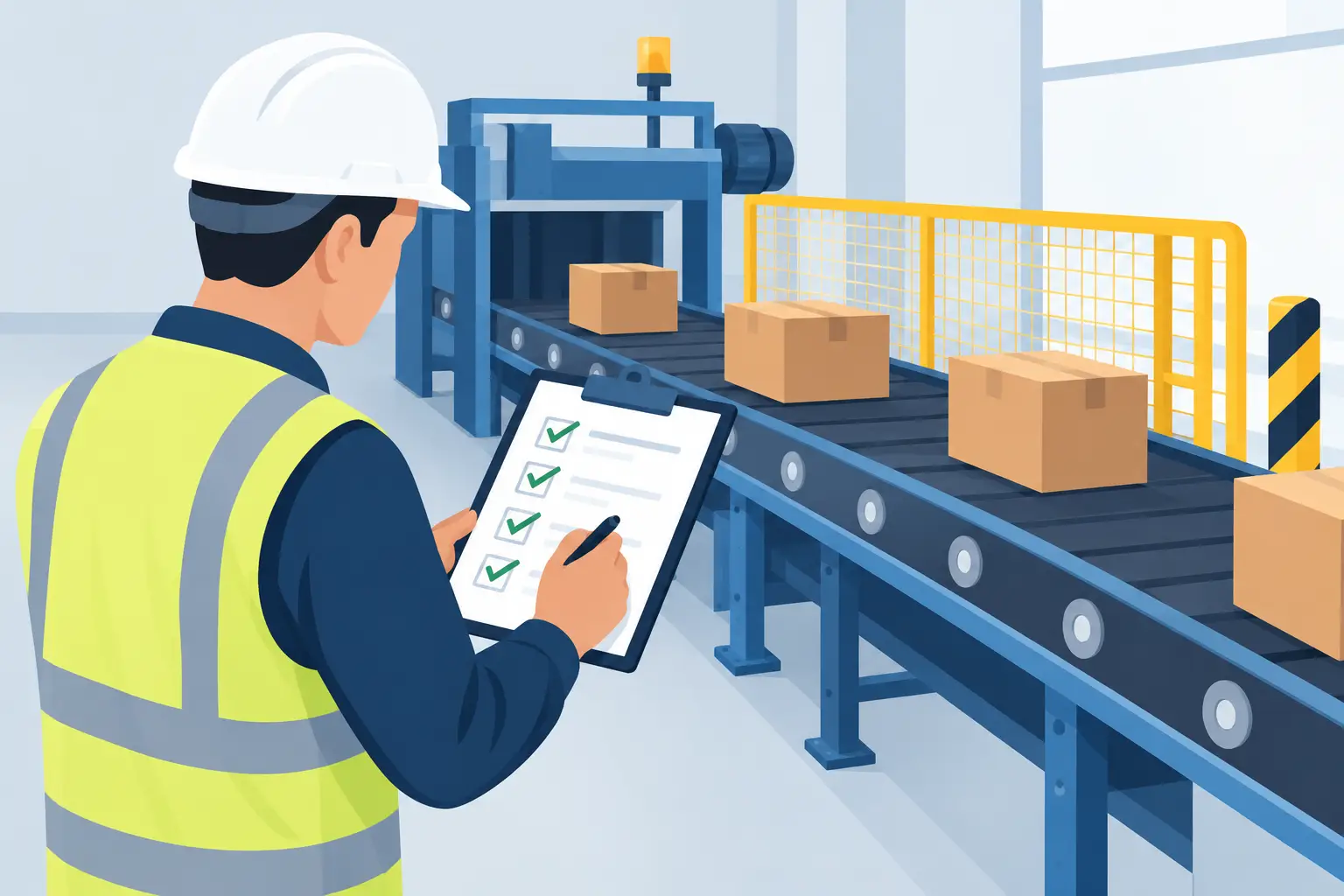
A conveyor that begins slipping under load is rarely giving a maintenance team much warning. In tunnelling, mining and other high-throughput operations, a delayed conveyor pulley lagging replacement can quickly become belt damage, lost production, cleanup work and an unplanned shutdown. The right response is not simply to fit new rubber. It is to identify why the lagging has failed, confirm the pulley remains serviceable and return the drive system to operation under controlled conditions.
What pulley lagging does in a working conveyor
Pulley lagging is the wear surface bonded or mechanically fixed to the pulley shell. On drive pulleys, its primary role is to create friction between the pulley and belt so torque can be transmitted without slip. It can also protect the pulley shell, improve water shedding and assist tracking where a crowned or patterned lagging arrangement is specified.
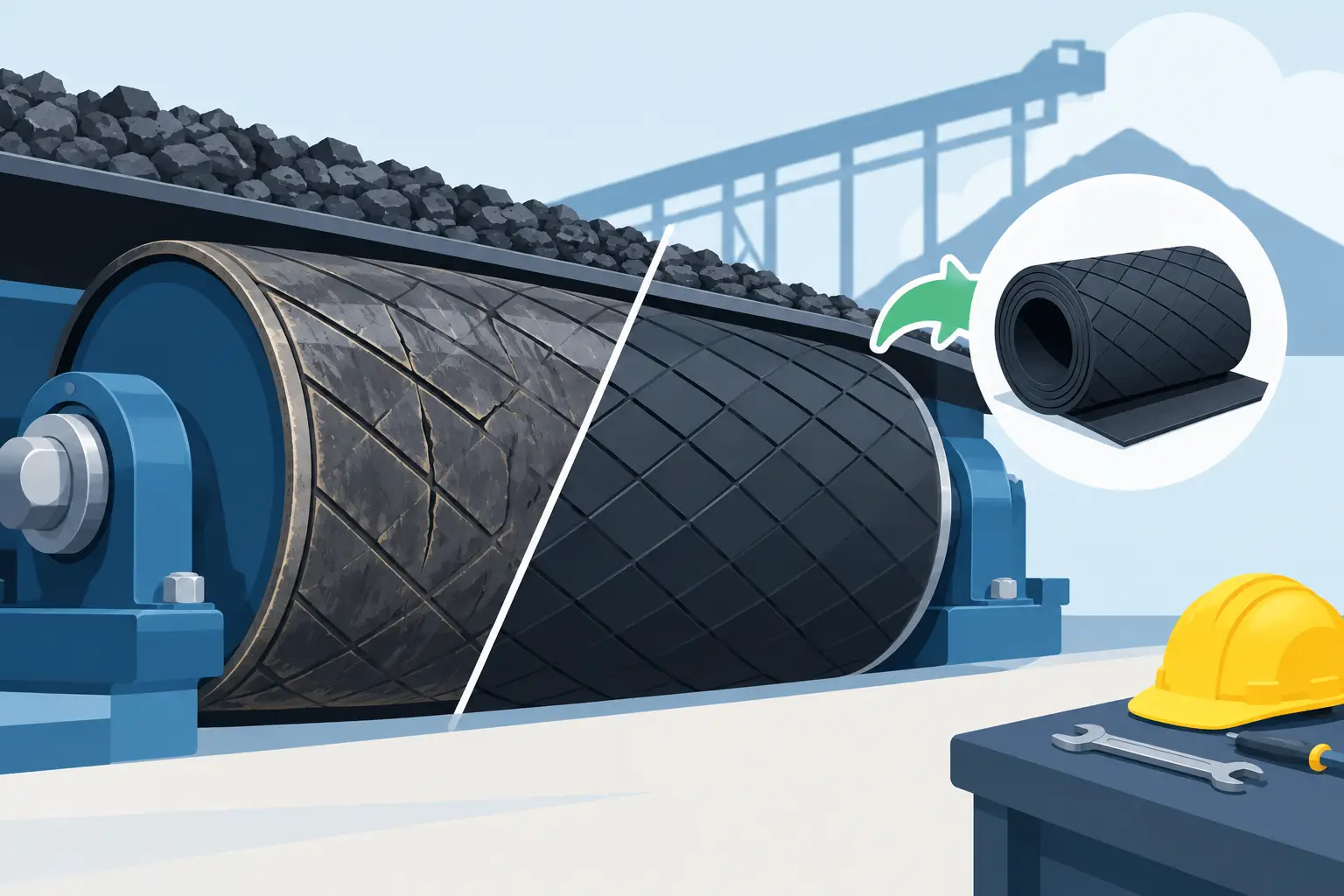
The material and profile must suit the duty. Plain rubber may be suitable for clean, dry applications, while diamond-pattern rubber can provide improved grip where moisture or fines are present. Ceramic lagging is commonly selected for high-tension, wet or abrasive duties because it offers higher friction and wear resistance. That benefit comes with a trade-off: ceramic lagging requires careful belt compatibility assessment and precise installation, as an unsuitable or damaged surface can accelerate belt cover wear.
In underground conveyance, the decision is particularly consequential. Water, slurry, abrasive spoil, restricted access and long operating hours can all shorten lagging life. A pulley that performs adequately in a dry surface installation may require a different lagging specification in a tunnel heading or transfer area.
Signs conveyor pulley lagging replacement is required
Wear is not the only reason to replace lagging. The condition of the full drive arrangement matters, including belt tension, pulley alignment, take-up performance, scraper setup and material carryback. Replacing a worn surface without addressing the underlying condition often leads to an early repeat failure.
Visible bald patches, chunking, cracking, lifting edges and missing ceramic tiles are clear indicators. So are areas where lagging has separated from the shell, especially at the leading edge of a pulley. Once water and fines work beneath the bond line, the affected area can spread quickly.
Operational symptoms deserve the same attention. A drive that slips during peak loading, requires repeated tension adjustments, runs hot or produces rubber dust around the pulley should be inspected promptly. A change in belt tracking can also point to uneven lagging wear, pulley run-out or a problem elsewhere in the conveyor path.
Inspection should determine whether the lagging is the root cause or the consequence. For example, excessive carryback may be cutting the lagging and belt cover at the same time. A seized idler, misaligned structure or overloaded conveyor may be placing abnormal demand on the drive. The maintenance scope should deal with these conditions rather than treating lagging as an isolated consumable.
Selecting the right lagging and replacement method
A practical specification starts with operating conditions, not a default product choice. Review belt type and cover grade, pulley diameter, belt tension, drive power, conveyed material, moisture, temperature, cleaning arrangement and the expected access window. The aim is to select a surface that delivers grip and service life without introducing unnecessary belt wear or installation complexity.
Rubber lagging can be applied as pre-cured sheet, strip or hot-vulcanised lagging. Pre-cured products can reduce shutdown duration where conditions allow, but surface preparation and adhesive control remain critical to bond performance. Hot-vulcanised lagging provides a highly durable bond and can suit demanding duty, although it generally requires more time, specialised equipment and controlled site conditions.
Ceramic lagging is often appropriate where traction and abrasion resistance are persistent issues. However, the tile profile, tile coverage and backing material should be matched to the belt and duty cycle. It is not automatically the best answer for every conveyor. On some systems, improved scraper performance, moisture control or a revised rubber compound will achieve the required result with less impact on the belt.
For a critical drive pulley, a planned assessment should also consider shell thickness, shaft condition, bearing condition, run-out and lagging balance. There is little value in applying premium lagging to a pulley with corrosion under the old lining, a damaged shell or bearing movement that will compromise the repair.
A controlled replacement process
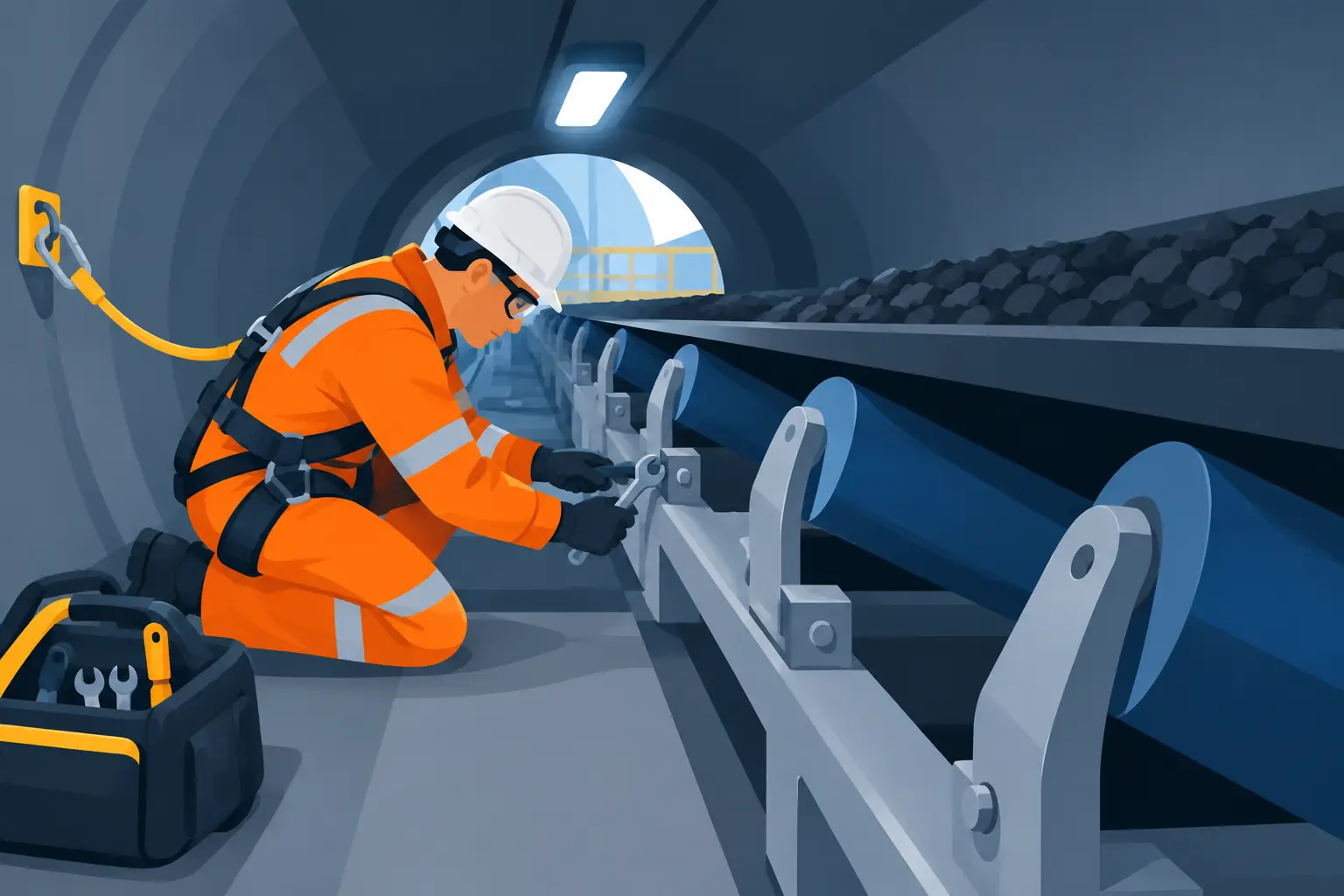
Conveyor pulley work is high-risk work. Stored energy, suspended loads, nip points, confined access and lifting requirements need to be controlled before the old lagging is removed. The exact method will vary with pulley size, location and whether the pulley is removed from the conveyor, but the fundamentals remain consistent.
First, isolate, lock out and prove the conveyor dead in accordance with the site isolation procedure. Release or restrain belt tension only under an engineered and approved plan. Where a pulley is to be removed, confirm lifting points, pulley mass, crane or lifting-device capacity, exclusion zones and communication arrangements. Underground works may introduce further constraints around ventilation, access, hot-work controls and transport routes.
The old lagging is then removed and the shell thoroughly assessed. Adhesive residue, corrosion, damaged welds and high spots must be addressed. Surface preparation is central to bond life: the shell needs the specified profile and cleanliness before primers and adhesive are applied. Shortcuts at this stage commonly show up later as edge lifting or bond failure.
After installation, allow the adhesive or vulcanised repair to cure for the required period. Refit the pulley, align the belt and complete the required checks before bringing the system back under load. A controlled commissioning run should verify tracking, traction, vibration, bearing temperature and scraper contact. Record the lagging type, installation date, pulley identification and any related defects for future maintenance planning.
Planning work around production and access
The lowest-risk replacement is usually a planned one completed before traction is lost. Condition inspections during scheduled maintenance windows allow teams to measure wear, identify lifting edges and order the correct materials before a breakdown dictates the timing.
That does not mean every worn lagging surface requires immediate shutdown. If wear is even, traction remains stable and there is sufficient remaining thickness, the work may be safely programmed for the next available outage. Conversely, active delamination, ceramic tile loss, repeated slip or exposed shell can justify urgent intervention because the risk of belt damage and wider failure rises rapidly.
A good plan includes a verified scope, lagging specification, spare pulley strategy where justified, lifting plan, isolation requirements, labour coverage and commissioning hold points. On major infrastructure projects, the work also needs to align with production sequencing and permit requirements. A small amount of preparation can avoid a far longer interruption when access, parts or competent personnel are unavailable.
HP Rural supports conveyor maintenance and repair work with qualified mechanical personnel, practical site coordination and rapid-response capability for demanding material-handling environments. For critical conveyor assets, access to the right fitters, supervisors and replacement components can be as important as the lagging material itself.
Preventing repeat lagging failures
Lagging life improves when the conveyor is maintained as a system. Keep belt cleaners correctly adjusted, control carryback, inspect pulley and idler alignment, monitor belt tension and address water ingress where practicable. Operators should report slip, vibration, unusual noise and changes in tracking early, before the signs become a breakdown event.
Use inspection findings to set an evidence-based replacement interval rather than relying only on calendar dates. High-load wet conveyors may need closer attention than a comparable dry-duty line, while a newly commissioned system may reveal alignment or cleaning issues that change the expected wear pattern. The useful question is not simply when the lagging was last replaced, but what the pulley condition is telling the maintenance team now.
A well-planned replacement protects more than a pulley surface. It preserves belt life, maintains drive reliability and gives the operation a better chance of keeping material moving when the schedule has no room for lost hours.