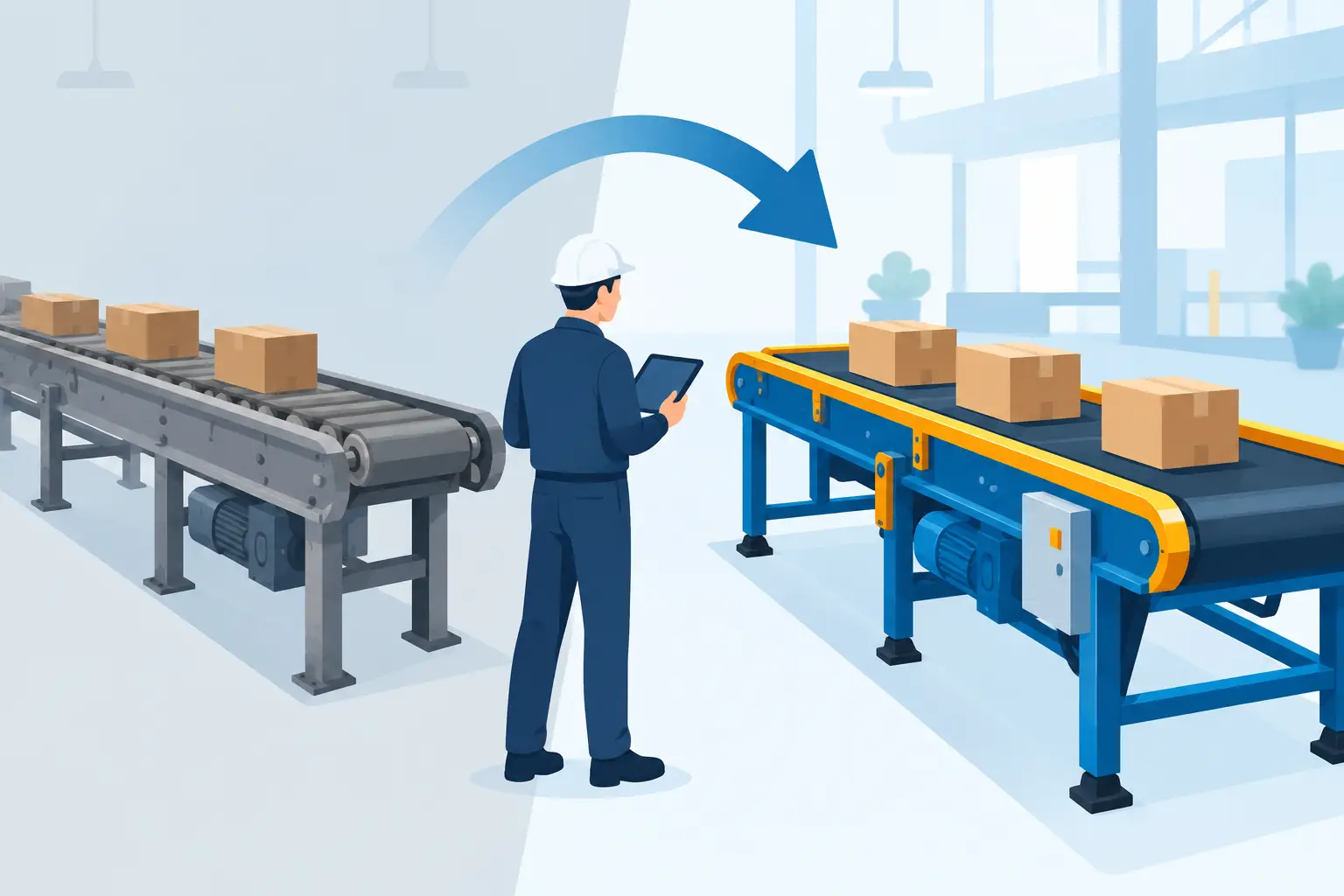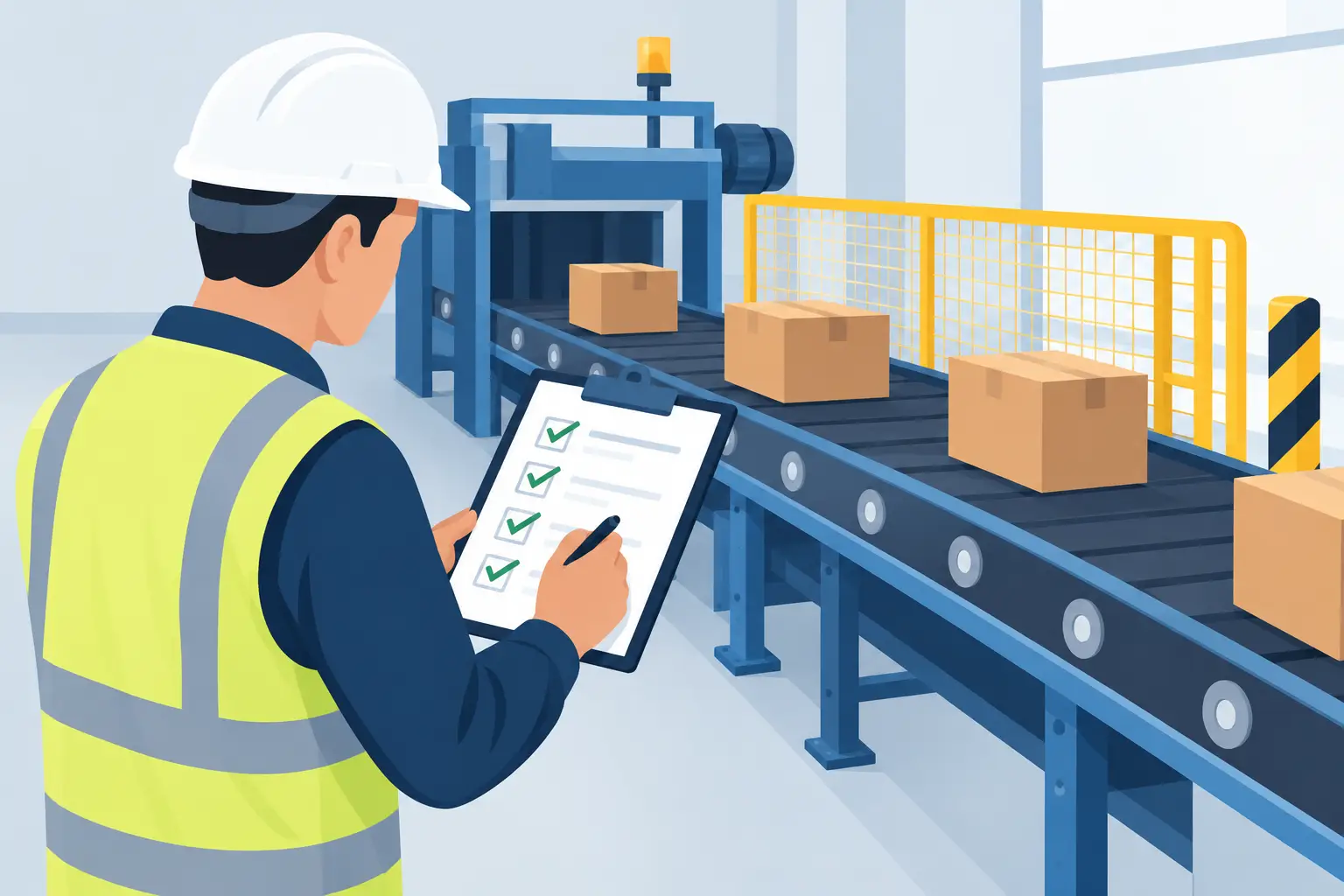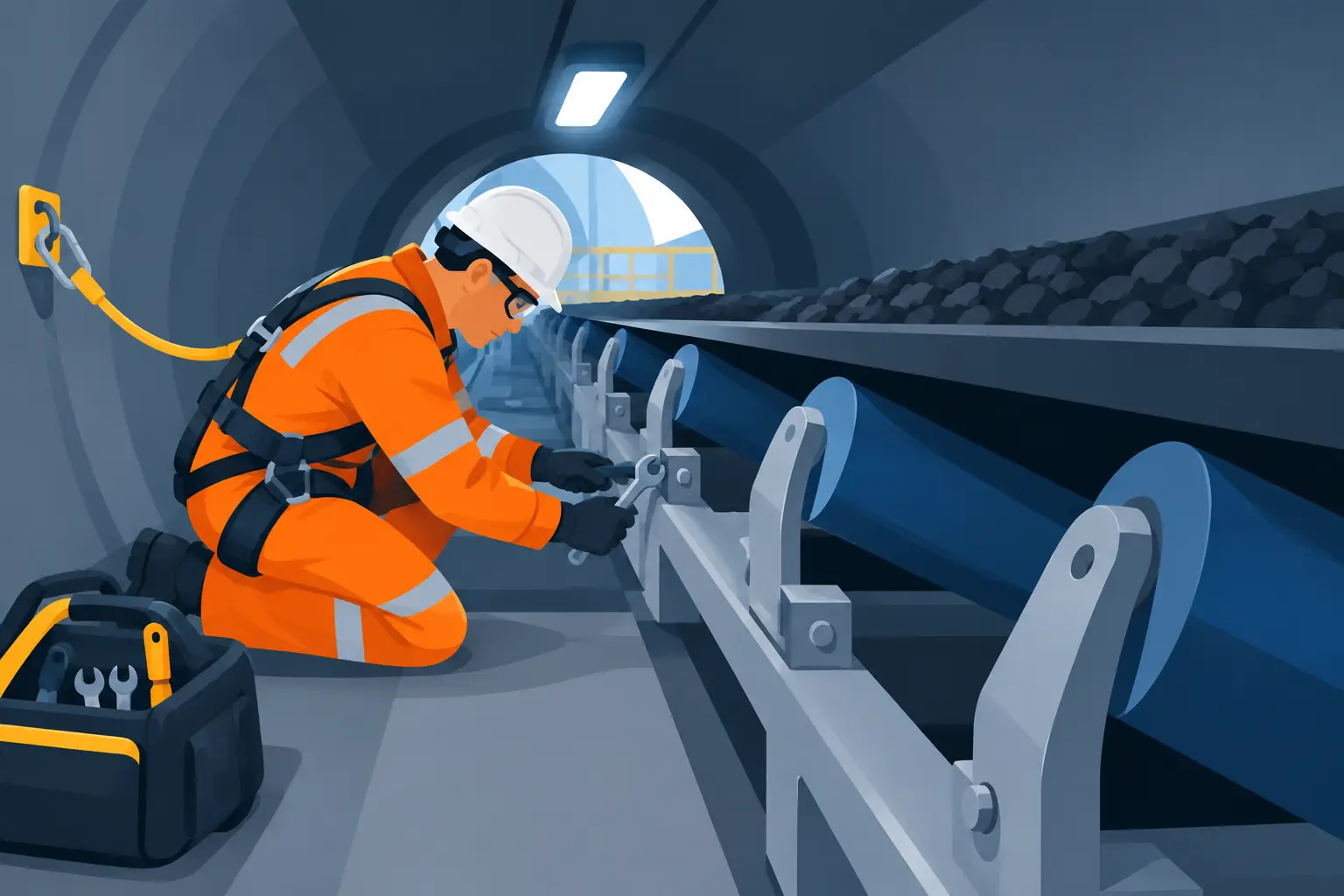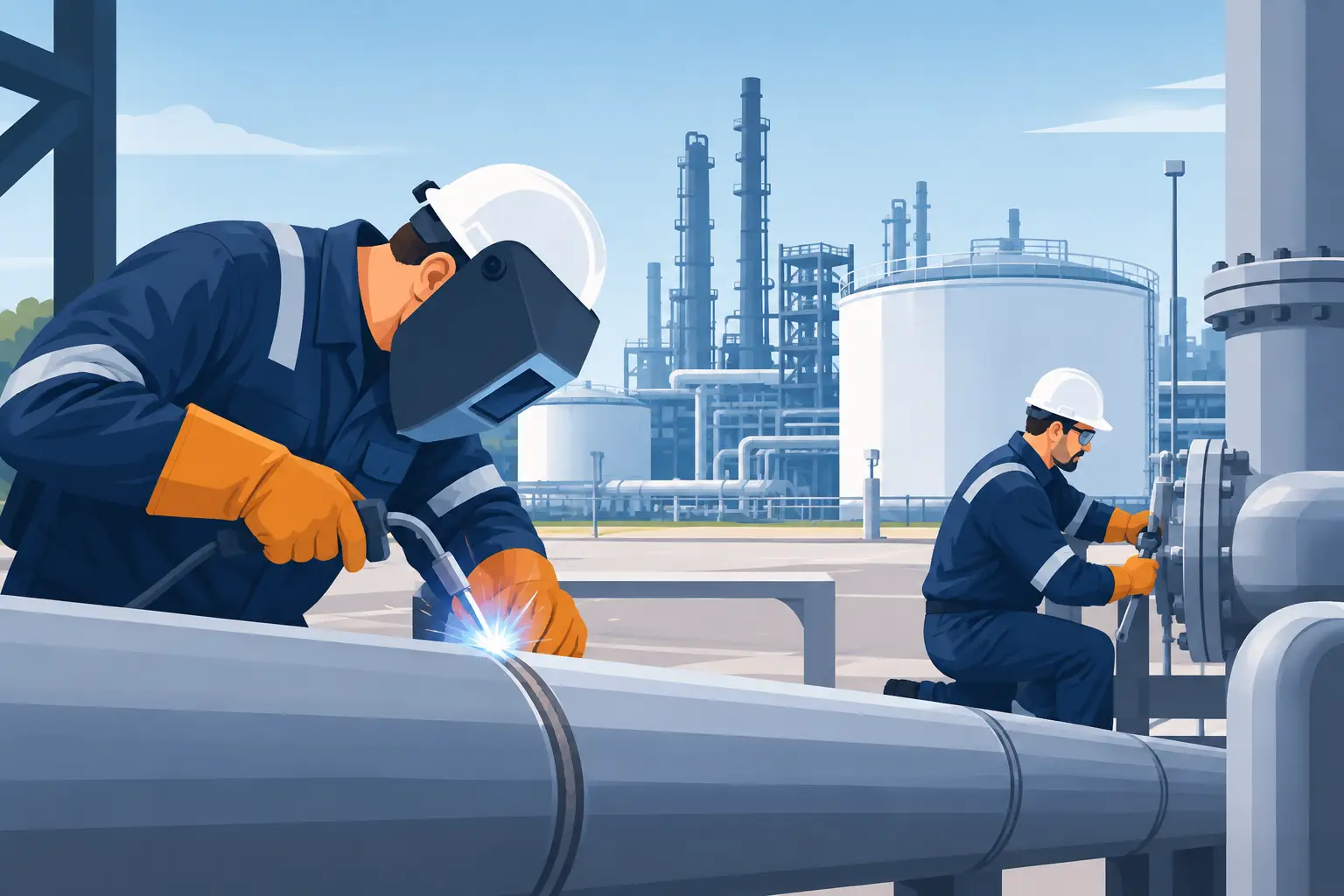
A failed conveyor drive, cracked chute support or worn transfer-point liner can quickly become a programme issue in a tunnel or high-output materials handling operation. Fitters and Boilermakers provide the mechanical and fabrication capability needed to address these problems safely, whether the work is planned during a shutdown or required under a time-sensitive breakdown response.
For project and maintenance leaders, the question is not simply whether labour is available. It is whether the people attending site can work within the permit conditions, understand the equipment interface, communicate clearly with supervisors and complete work to the required standard without creating the next failure.
What Fitters and Boilermakers Bring to Site
Fitters focus on the assembly, installation, alignment, inspection and repair of mechanical equipment. On conveyor-dependent projects, this can include changing rollers and pulleys, replacing bearings, aligning drives, fitting guards, servicing gearboxes and installing conveyor components. Their work directly affects belt tracking, material flow, equipment life and safe access for operators.
Boilermakers bring fabrication and structural repair capability. They may repair cracked steelwork, fabricate brackets and supports, install chutes, modify guarding, rebuild wear areas or complete coded welding where project requirements call for it. In underground and confined work zones, practical fabrication skills are especially valuable because access constraints can make standard replacement methods unsuitable.
The trades overlap on many tasks, but they are not interchangeable in every circumstance. A mechanical changeout may require a fitter with specific conveyor experience, while a structural repair may require a qualified boilermaker and an approved welding procedure. The scope, risk controls and client standards should determine the crew mix.
Why Conveyor Experience Matters
A conveyor is a connected system, not a series of isolated components. Replacing a failed idler without checking alignment, loading conditions and belt condition may restore operation briefly but leave the underlying cause unresolved. Likewise, a structural modification around a transfer point can affect access, guarding, dust control and future maintenance.
Experienced tradespeople recognise these interfaces before work begins. They can identify whether a recurring issue is linked to poor tracking, carryback, inadequate support, material build-up, vibration, worn components or an installation tolerance that has shifted over time. This improves the quality of the repair and helps maintenance teams make better decisions about spares, planned works and asset upgrades.
For tunnelling operations, this judgement is particularly important. Restricted spaces, continuous production demands and interactions with other crews mean work must be coordinated carefully. The most efficient repair is not always the quickest physical fix. It is the repair that restores safe operation while reducing the likelihood of another unplanned stoppage.
Selecting Fitters and Boilermakers for High-Risk Work
Labour hire decisions should be based on more than trade tickets. Qualifications and site inductions are essential, but demonstrated capability in comparable plant and conditions is what supports reliable delivery. Before mobilising personnel, clarify the equipment involved, work location, shift pattern, lifting requirements, isolation arrangements and expected documentation.
The following factors generally separate effective trade support from basic labour supply:
- Relevant experience with conveyors, fixed plant, tunnel equipment or heavy industrial maintenance.
- Competency to work under site safety systems, including permits, isolations, confined-space controls and working-at-heights requirements where applicable.
- Ability to read drawings, assess fit-up, identify practical access issues and report defects accurately.
- Clear supervision and communication arrangements for day and night shifts, shutdowns and emergency callouts.
It also pays to confirm how additional capability will be managed. A conveyor repair may require a rigger, dogman, crane crew, electrical tradesperson or supervisor alongside the fitter or boilermaker. A provider that can coordinate the right personnel reduces delays between identifying the job and putting an appropriately controlled crew on site.
Planned Maintenance Versus Breakdown Response
Planned maintenance gives fitters and boilermakers time to inspect equipment systematically, measure wear, prepare materials and complete modifications under controlled conditions. It is the preferred setting for structural upgrades, chute work, major component replacements and preventive repairs.
Breakdown response has a different purpose. The immediate priority is to make the area safe, diagnose the failure, establish a workable repair method and return the system to service without bypassing controls. This often requires tradespeople who can remain calm under production pressure and explain the repair status in practical terms to the site team.
Both approaches are necessary. The best maintenance programmes use breakdown findings to refine inspection routines, stock critical spares and schedule corrective work before a minor defect becomes a major outage.
A Practical Partner for Project Delivery
HP Rural supplies qualified fitters, mechanics, boilermakers and welders for infrastructure and industrial projects where mechanical availability matters. Its experience with conveyor installation, commissioning, maintenance and repair supports a personnel approach grounded in the realities of operational plant, not generic labour supply.
For project managers and maintenance supervisors, the value is in placing capable people where the work is most demanding: on critical repairs, shutdown scopes, installation packages and ongoing maintenance programmes. Define the task properly, match the trade skills to the risk and equipment, and give the crew the information needed to complete the work right the first time.