A conveyor can keep moving while quietly becoming a project risk. Belt tracking corrections become more frequent, transfer points spill, drives run hot, and maintenance windows grow longer than the work planned for them. Conveyor system upgrade services address these underlying constraints before a recurring fault becomes an unplanned shutdown, a safety exposure or a missed production target.
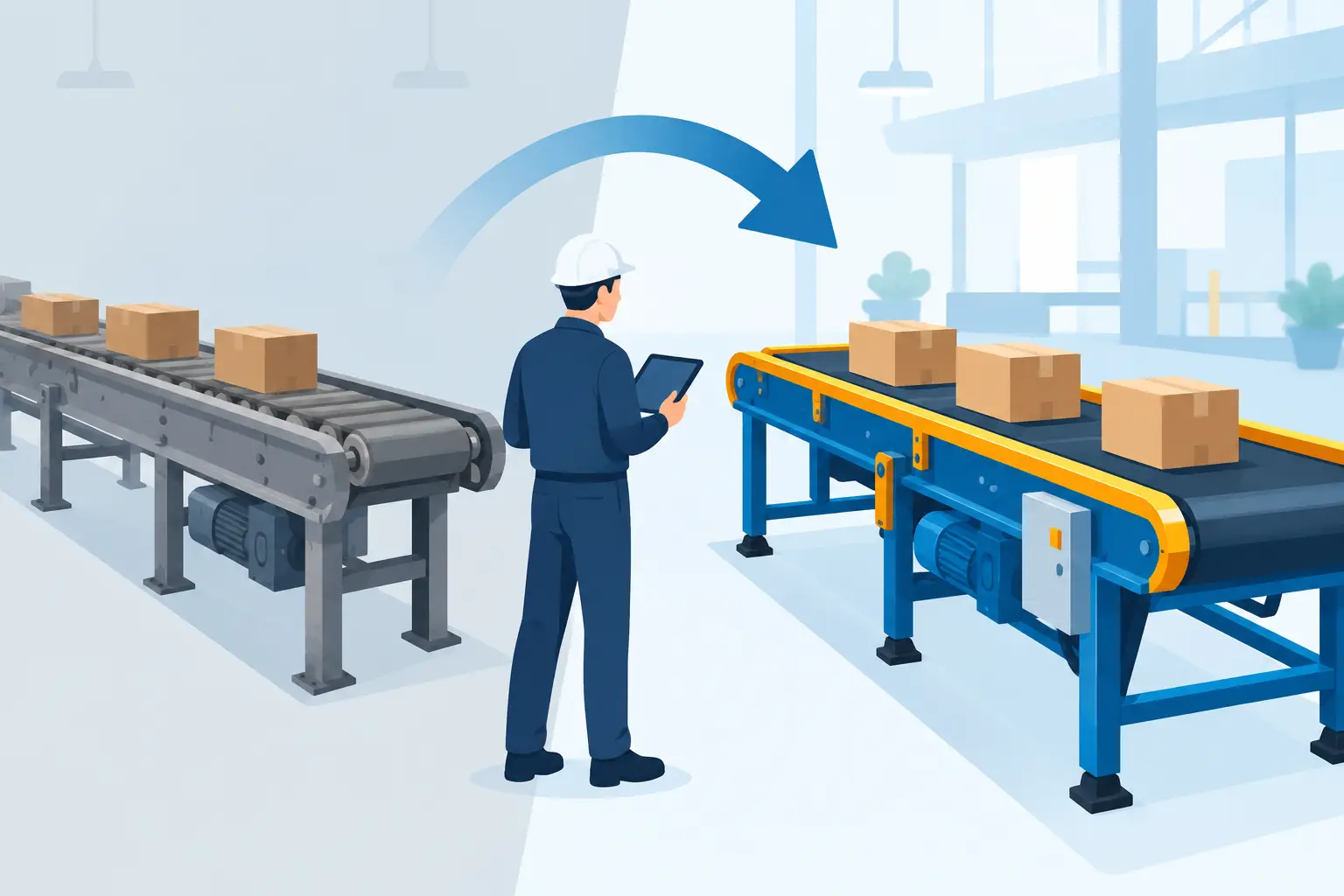
For tunnel infrastructure, mining, civil works and other high-demand material-handling operations, an upgrade is rarely about replacing equipment because it is old. It is a controlled intervention to make the system fit the duty it must perform now – often under changed loads, altered geometry, tighter availability requirements or stricter site controls.
Recognise when the existing conveyor no longer suits the duty
The clearest trigger for an upgrade is repeated operational loss. A conveyor that needs constant adjustment, experiences regular belt damage or cannot maintain required tonnes per hour is consuming time that should be available for production. In continuous tunnelling operations, even minor interruptions can affect spoil removal, TBM utilisation and downstream work fronts.
Some issues are less obvious. Increased moisture or abrasive material can accelerate wear at chutes and skirts. A revised alignment may place greater demand on drives, take-up arrangements or structural supports. Changes to material size, belt speed or loading patterns can turn a previously acceptable transfer point into a source of carryback, dust and belt mistracking.
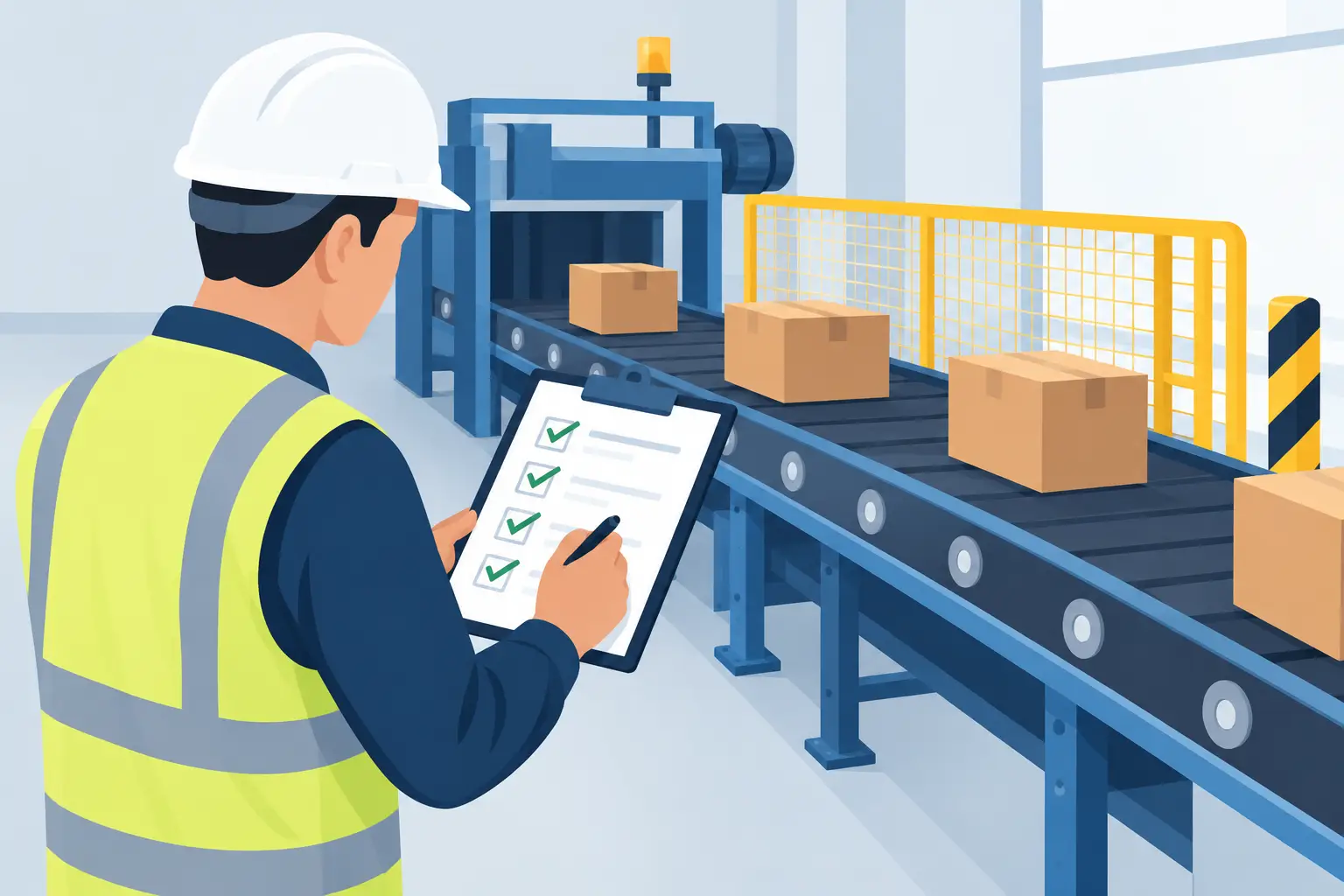
A useful assessment starts with operating evidence rather than assumptions. Review breakdown history, inspection findings, belt condition, motor and gearbox performance, tracking behaviour, spillage locations, maintenance hours and actual throughput. This establishes whether the problem is isolated or whether multiple components are being pushed beyond their intended operating range.
What conveyor system upgrade services should cover
An effective upgrade begins with site inspection and engineering review, then moves through supply, installation, testing and ongoing support. The scope should be tailored to the cause of the performance issue, not limited to the component that failed most recently.
Mechanical improvements that protect uptime
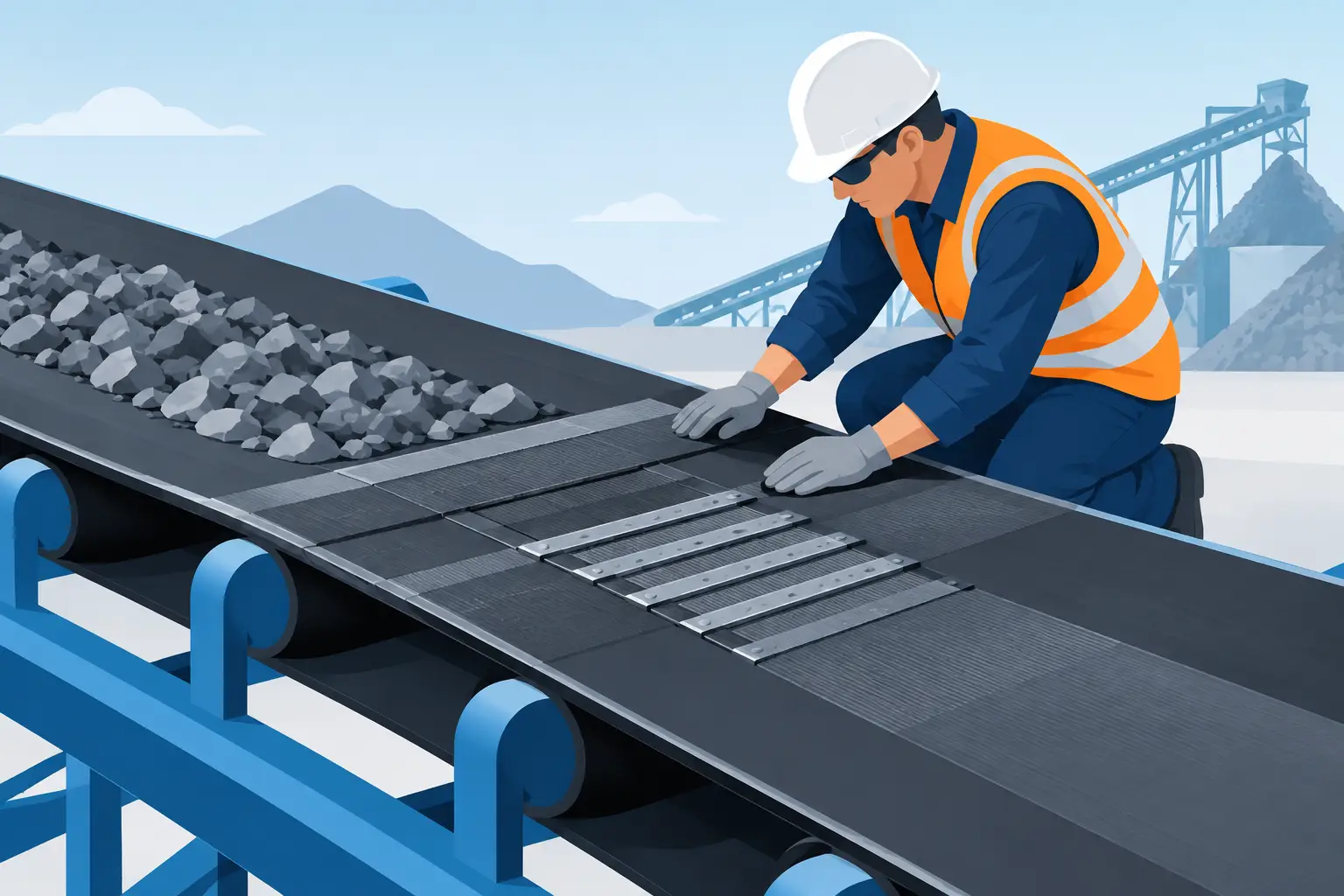
Mechanical upgrades commonly focus on the areas exposed to loading, impact and wear. This may include replacing worn idlers and pulleys, improving belt tracking arrangements, upgrading impact beds, modifying skirting, renewing rollers or installing more suitable chute liners. In high-abrasion or wet material conditions, the right component selection can reduce premature wear and simplify planned maintenance.
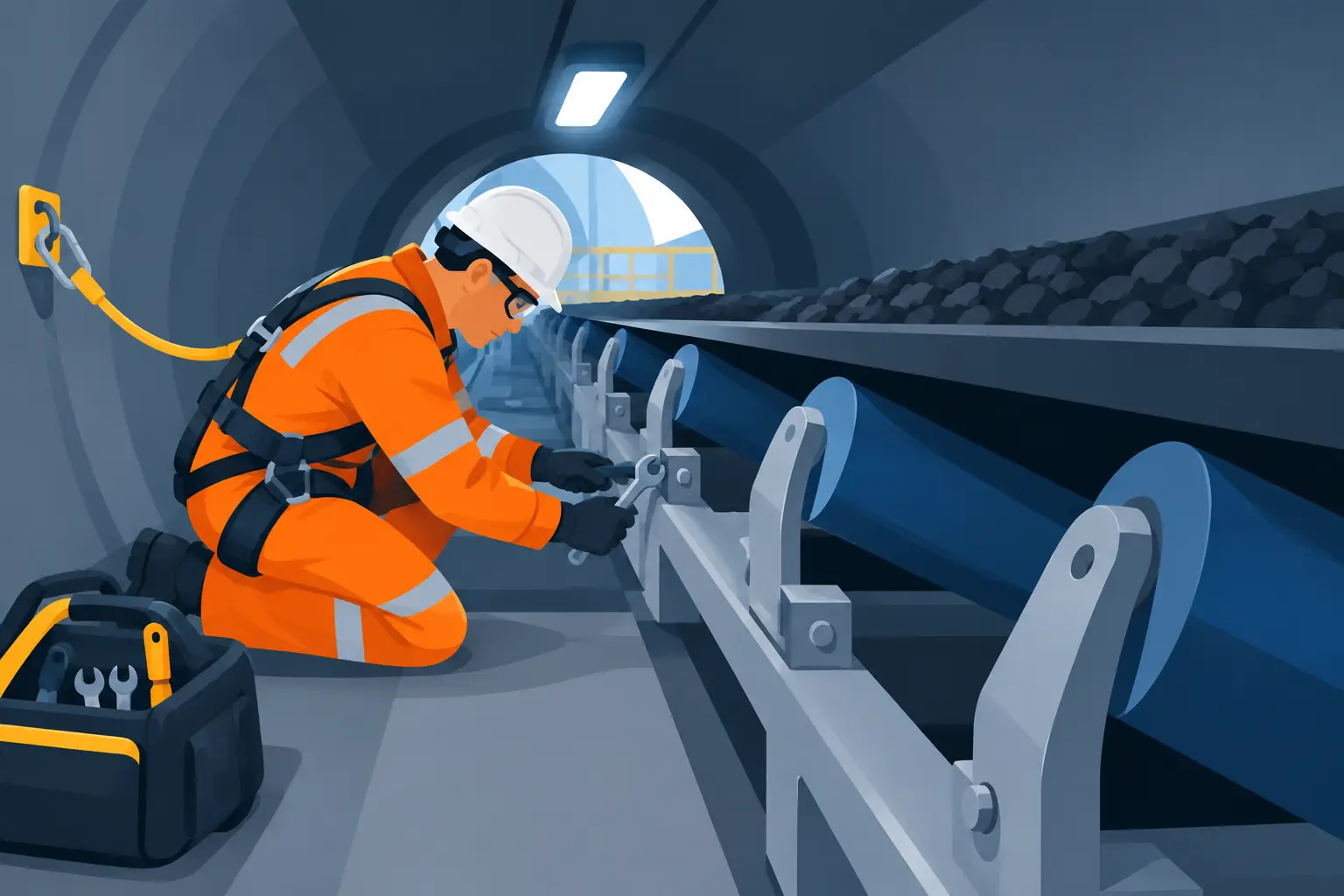
Transfer points deserve particular attention. Poor loading can create off-centre belt loading, excessive impact and material loss. A chute modification may improve material flow, but it must also allow safe inspection, cleaning and replacement of wear components. Access is not an afterthought in underground or confined sites where every maintenance activity must be planned around space, isolation and workforce movement.
Drives, controls and safety systems
Where capacity has increased or starting performance is inconsistent, drive and electrical upgrades may be required. This can involve motor, gearbox, coupling, brake, variable speed drive or control-system work. The correct solution depends on belt tension, conveyor length, material characteristics, starting load and the interaction with upstream and downstream equipment.
Control upgrades can provide clearer fault indication, interlocks and condition monitoring. However, adding controls without resolving a mechanical issue simply makes the fault easier to observe. Mechanical, electrical and operational requirements need to be assessed together.
Safety improvements are equally central. Guarding, pull-wire switches, emergency stops, belt drift switches, accessible isolation points and safe maintenance access should be reviewed whenever a conveyor is modified. A change that improves output but creates difficult access or unclear isolation arrangements is not a successful upgrade.
Plan upgrades around operational continuity
The best technical scope can still create avoidable disruption if the work is not planned around the project programme. Conveyor upgrades often need to be completed during short shutdown windows, between shifts or while adjacent systems remain active. That requires accurate site measurement, defined work packs, materials available before shutdown and a workforce matched to the task.
For major works, a staged approach may be the practical option. Critical reliability items can be completed first, followed by larger modifications during a programmed outage. Temporary bypass arrangements may be possible in some applications, although they must be evaluated carefully for capacity, safety and material containment.
Before installation, the project team should confirm the work sequence, isolations, lifting requirements, access routes, interfaces with other trades and recommissioning responsibilities. Fitters, welders, electricians, riggers, operators and supervisors may all be required, depending on the scope. In tunnelling environments, coordination with production teams and site safety systems is particularly important because conveyor work often sits alongside live plant and constrained access conditions.
Commissioning proves the upgrade works in service
A conveyor should not be considered upgraded when the last bolt is tightened. Commissioning verifies that the system performs safely under the conditions it will face in operation.
Testing should cover tracking, belt tension, pulley and roller performance, drive behaviour, emergency-stop circuits, belt protection devices, material loading and transfer-point containment. For control modifications, functional testing of interlocks, alarms and fault responses is essential. Any adjustments identified during testing should be documented and resolved before the system returns to normal duty.
The handover should also provide practical information for the maintenance team. This includes revised component details, recommended inspection intervals, critical spares, isolation requirements and known wear areas. If an upgraded chute uses specialised liners or a drive arrangement uses different consumables, the site needs that information before the first scheduled service.
Avoid the false economy of a like-for-like repair
A like-for-like replacement is sometimes the correct response, especially where a component has reached normal end of life and the duty has not changed. It can be faster, lower cost and easier to install. The risk comes when the same part has failed repeatedly because the original design no longer suits the application.
For example, repeatedly replacing damaged rollers will not solve loading misalignment. Replacing a belt without correcting tracking, pulley lagging or material build-up may lead to the same damage cycle. Installing a larger motor without reviewing belt tension and downstream capacity can introduce new problems.
Upgrade decisions should consider whole-of-life cost, not only the purchase price. The relevant comparison includes downtime exposure, labour hours, spare-part consumption, safety risk, cleaning requirements and the effect on programme delivery. In a production-critical environment, a targeted modification that reduces recurring stoppages can be more valuable than a lower-cost repair that only restores operation temporarily.
Select a contractor that understands live, high-demand sites
Conveyor work in a workshop is different from conveyor work on a live infrastructure project. The contractor needs practical experience with safe isolations, confined and restricted work areas, production interfaces, lifting constraints and rapid fault response. They also need access to qualified mechanical and electrical personnel, suitable supervision and component supply capability.
HP Rural provides conveyor lifecycle support for demanding material-handling operations, from component supply and installation through to repairs, upgrades, commissioning and preventive maintenance. For project teams, this reduces the handover gaps that can occur when design, installation and ongoing service are separated across multiple providers.
The right provider will ask operational questions early: What material is being conveyed? Where is the downtime occurring? What has changed since the system was installed? How much shutdown time is available? What safety controls and approvals apply? These details shape an upgrade that can be installed safely and maintained effectively after handover.
Make the next shutdown count
A planned shutdown is an opportunity to remove the faults that keep returning, not simply replace the parts that failed last. Start with failure data, inspect the conveyor under real operating conditions and define the improvement required in measurable terms – safer access, less spillage, better tracking, increased capacity or fewer unplanned stops.
When the scope, workforce, materials and commissioning plan are ready before the shutdown begins, conveyor upgrades can deliver a meaningful improvement without placing unnecessary pressure on the programme. That is the practical value of treating the conveyor as a critical production asset rather than a collection of replaceable parts.