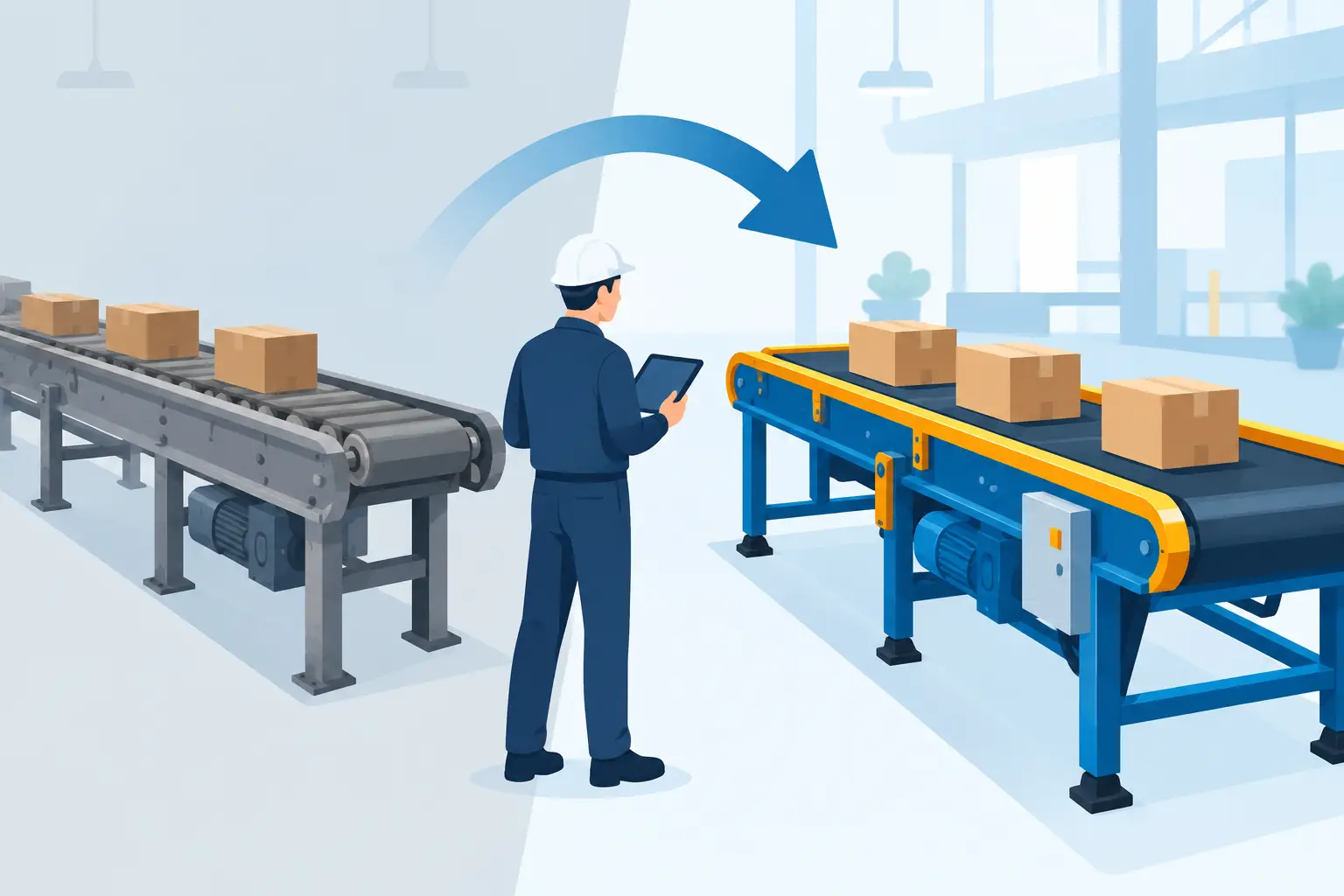
A stalled conveyor in a tunnel is rarely a simple mechanical issue. It can stop spoil removal, constrain access for other crews and put the production programme under immediate pressure. Effective confined space conveyor maintenance is therefore planned around two outcomes at once: returning equipment to reliable service and ensuring every task is controlled for the conditions underground.
For tunnel and other restricted-access operations, maintenance cannot be treated as a routine workshop activity moved below ground. Limited clearance, poor access, moving plant, dust, water, noise, stored energy and changing work fronts all affect how inspections and repairs are performed. The maintenance contractor needs the people, equipment, permits, spares and supervision to work safely without creating unnecessary disruption to the operation.
Why confined-space conveyor work needs a different approach
Conveyors operating in tunnels work hard for long periods, often with little opportunity for extended shutdowns. Carrying structure, rollers, pulleys, belts, drives and take-up systems are exposed to abrasive material, moisture, contamination and frequent loading cycles. A minor defect can develop quickly when the system is operating continuously.
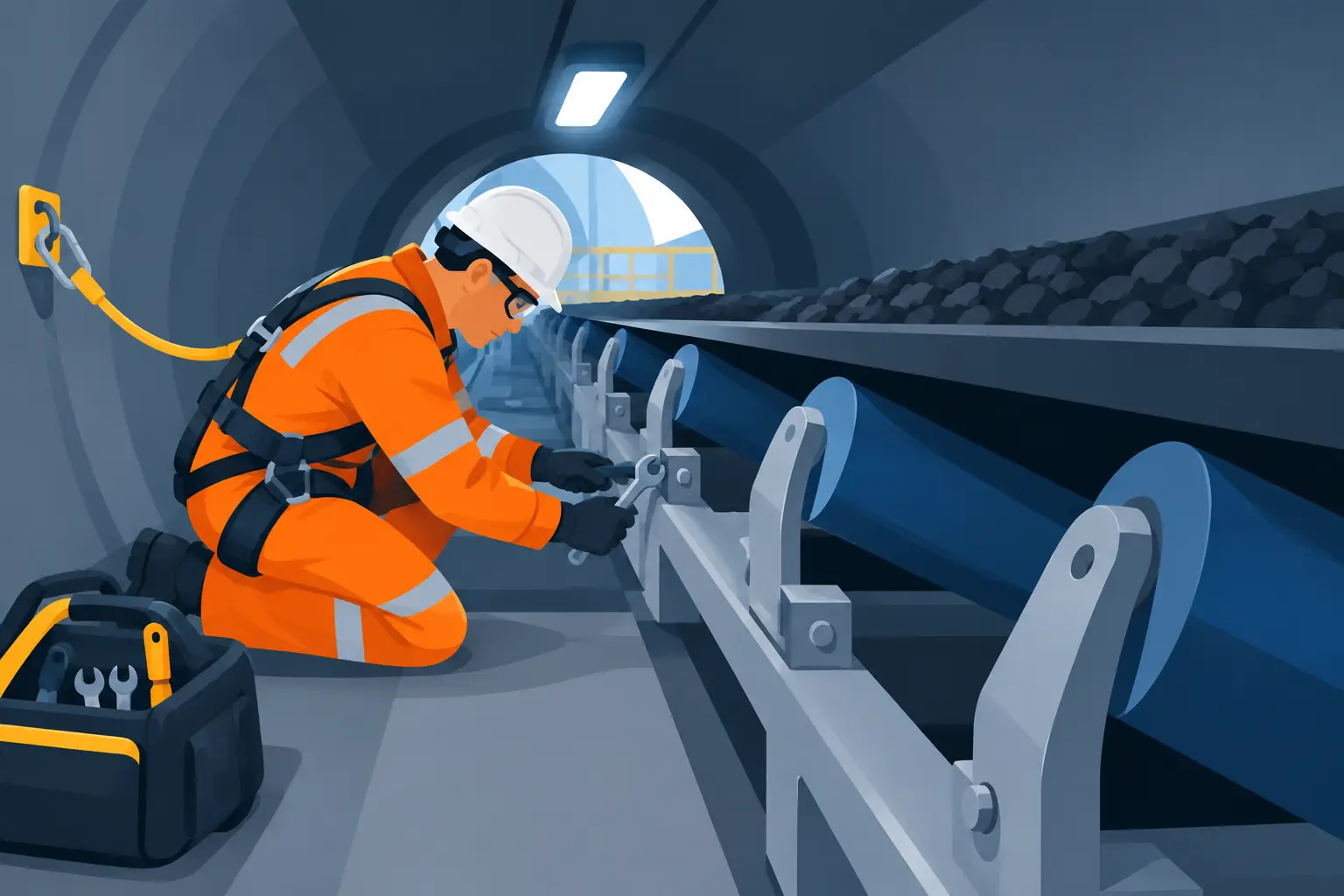
Access is the defining challenge. A failed idler in an open plant may be reached by a maintenance crew, isolated and replaced with relative ease. In a tunnel, the same repair may require coordination with ventilation, traffic management, lifting arrangements, adjacent work crews and restricted egress. The physical repair is only one part of the job.
This is why maintenance planning must account for the full work environment. It should identify how personnel will enter and exit the work area, how components will be transported, where tools and lifting equipment can be positioned, what isolation points are required and how the site will manage an emergency. The detail will vary between conveyor configurations and tunnel conditions, but the principle remains consistent: safe access and controlled energy are prerequisites to productive maintenance.
Start with condition, not just a shutdown schedule
Fixed service intervals provide a useful baseline, but they do not always reflect the actual condition of a conveyor. High-load sections, transfer points, drive stations and areas affected by water ingress typically need closer attention than low-stress sections. A practical maintenance programme combines scheduled inspections with condition-based decision-making.
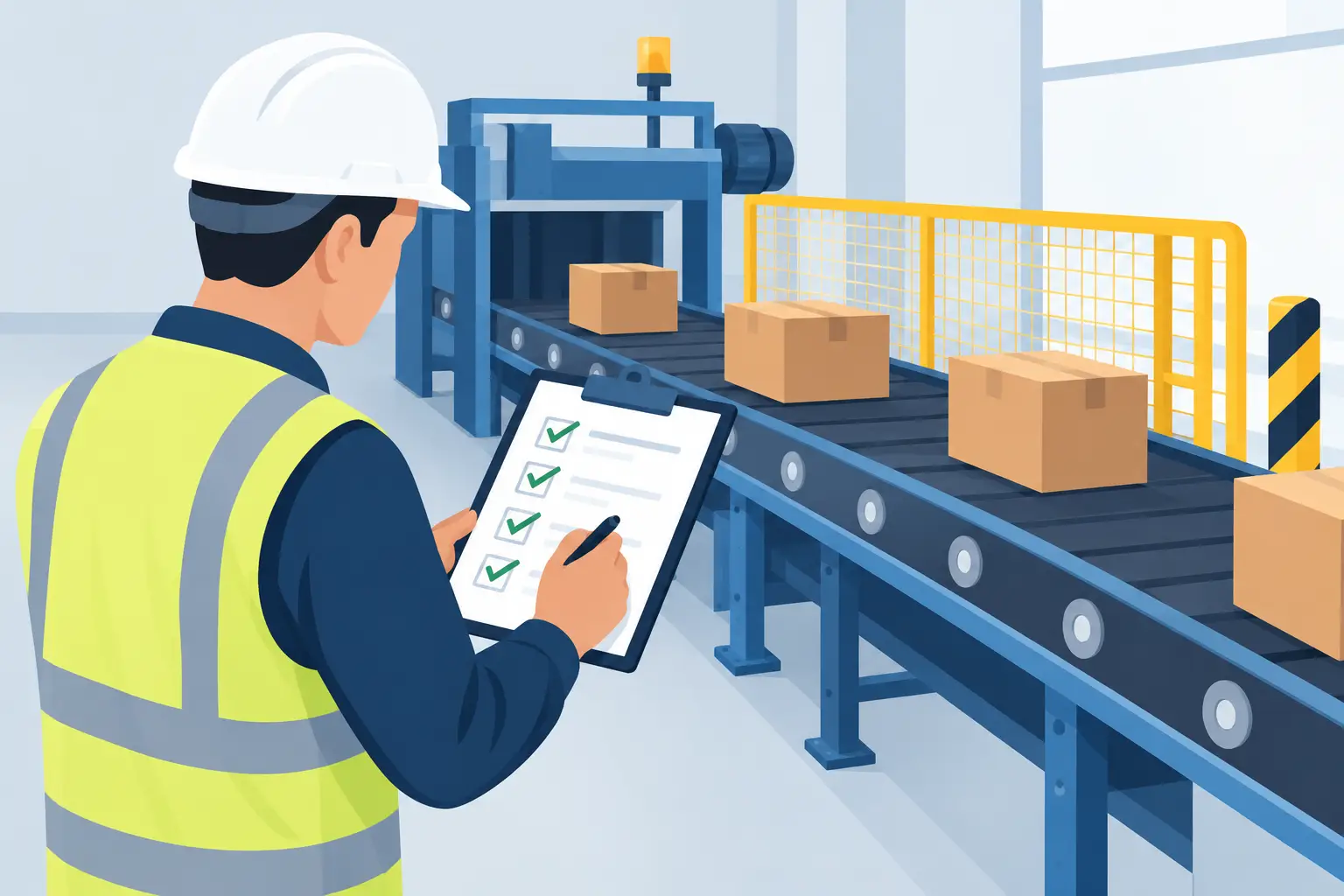
During inspections, technicians should look beyond obvious belt damage or seized rollers. Belt tracking, material build-up, skirting condition, pulley lagging wear, bearing temperature, vibration, fastener integrity and unusual noise can all indicate a developing failure. Changes in motor current or drive performance may also point to belt tension, mechanical resistance or loading issues that are not immediately visible.
Inspection findings need to be recorded in a form that supports action. A report that simply notes a worn component is less useful than one that identifies the location, severity, likely consequence, recommended repair window and required parts. For project managers and maintenance supervisors, this makes it easier to prioritise work against the tunnelling programme rather than waiting for a breakdown to set the schedule.
Prioritise defects by operational consequence
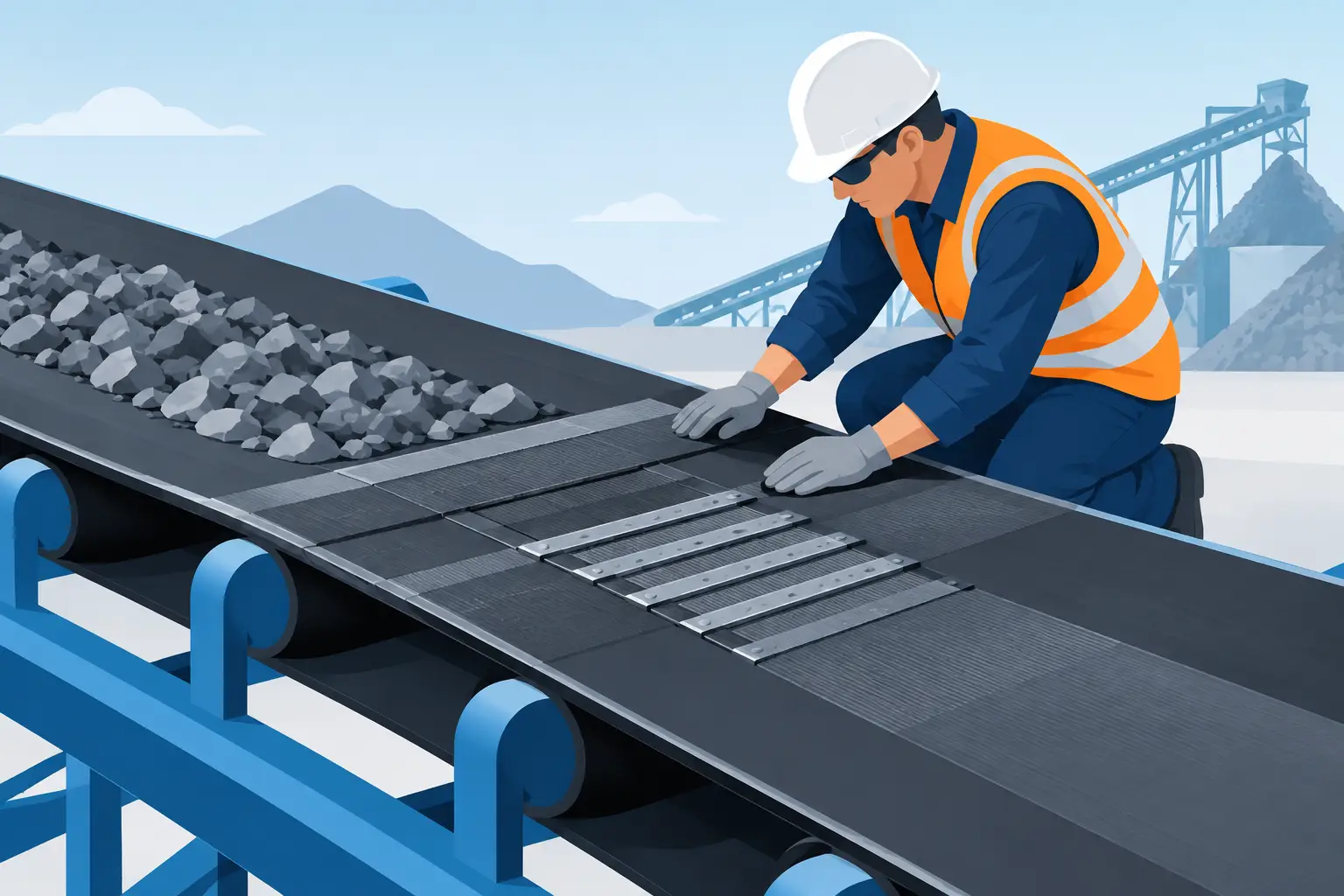
Not every issue requires an immediate stop. Replacing a roller with early bearing noise may be planned into the next available maintenance window, provided it is monitored and does not pose a belt-damage or fire risk. A tracking fault that is cutting a belt edge near a critical transfer point is different. Delaying that repair can turn a short adjustment into a major belt repair and an extended outage.
The right response depends on the component, the condition of the system, available redundancy and the cost of downtime. Maintenance teams should communicate this clearly, so operational leaders understand which defects can be managed temporarily and which require prompt intervention.
Safe isolation is the foundation of every repair
Conveyor systems contain multiple energy sources. Electrical supply to drives, gravity from counterweights, hydraulic systems, pneumatic devices and stored mechanical tension can all create hazards if they are not identified and controlled. In confined or restricted spaces, the consequences of an incomplete isolation can be severe because workers have less room to move away from danger.
A site-specific isolation process should confirm the equipment is stopped, isolated, locked where required, tested for dead and protected against unexpected movement. This includes associated equipment that could introduce material or movement into the work area. Maintenance personnel need clarity on who controls the isolation, who can authorise changes and how the system will be handed back to operations.
Communication is equally important during the return-to-service process. Guards must be reinstated, tools and loose materials removed, people accounted for and the conveyor inspected before controlled testing begins. Rushing the restart is a common source of avoidable damage, particularly after belt work, pulley replacement or adjustments at a transfer point.
Plan access, lifting and parts before the crew arrives
Restricted access turns simple logistics into a maintenance risk. Heavy rollers, pulleys, gearboxes and belt-repair equipment must be moved through the available route without blocking emergency access or conflicting with tunnel operations. The work plan should establish the component weights, lifting points, travel path, required plant and competent personnel before the shutdown starts.
For more involved work, the crew may include fitters, electricians, boilermakers, welders, riggers, dogmen and supervisors, depending on the scope. Bringing the right capability to site avoids a common delay: discovering mid-repair that a specialist trade, approved lifting arrangement or critical spare is unavailable.
Spare-parts readiness matters just as much. Holding common rollers, bearings, scrapers, skirting, belt-repair materials and drive components can reduce exposure to long lead times. However, stocking parts without accurate equipment records can create its own problem. Component specifications, belt details, drive configurations and installed locations should be controlled so the parts supplied are fit for the specific conveyor.
Treat transfer points as high-value maintenance locations
Transfer points deserve particular attention because they combine impact, dust, material build-up and belt-tracking pressure. Worn skirts, damaged liners or poor chute geometry can increase spillage and accelerate belt wear. That creates more cleaning work in an already restricted environment and can obscure developing equipment issues.
Maintenance at these locations should address the cause as well as the symptom. Replacing a damaged skirt without checking loading alignment, chute wear and belt support may only provide a short-term result. In some cases, a targeted modification to containment, support or access arrangements will reduce repeat callouts and improve housekeeping.
Use shutdown windows for reliability work, not only breakdown repairs
When tunnel production is demanding, maintenance windows are valuable. They should not be consumed entirely by corrective work that could have been prevented. A well-prepared shutdown combines urgent repairs with planned inspections, lubrication where applicable, adjustment, cleaning and component change-outs that protect future availability.
The scope needs to be realistic. Overloading a short window increases the likelihood of incomplete work, poor reinstatement or an unplanned extension to the shutdown. A better approach is to rank tasks by safety exposure, production consequence and failure likelihood, then complete the work that delivers the strongest reliability return.
Post-maintenance testing is also part of the window. After repairs, the conveyor should be run in a controlled manner while technicians verify tracking, noise, temperature, guarding, interlocks and material flow. A repair is not complete simply because a new component has been fitted. It is complete when the system is operating safely and as intended.
Build maintenance records that improve the next shift
Maintenance data is most valuable when it helps supervisors make earlier, better decisions. Failure history can reveal repeat problems with particular zones, component types or operating conditions. A pattern of idler failures near one transfer point, for example, may indicate misalignment, contamination or excessive impact rather than poor-quality rollers alone.
Useful records connect defect observations, repairs, parts used, downtime, test results and follow-up actions. They also give incoming crews a clear picture of temporary controls, items under observation and upcoming maintenance needs. In continuous operations, this handover discipline prevents knowledge from being lost between shifts.
HP Rural supports conveyor maintenance in demanding infrastructure and material-handling environments with qualified personnel, planned servicing, repairs, component supply and rapid-response support. For confined operations, the objective is not merely to get the belt moving again. It is to return a safe, properly controlled system that can support the next production shift with confidence.
The most effective time to plan a difficult conveyor repair is before the conveyor fails. Clear condition reporting, available spares, defined access arrangements and competent crews give project teams more control over downtime when the work front cannot afford surprises.