A conveyor installation that falls behind programme, tracks poorly or cannot be safely maintained can affect far more than material movement. In a tunnel, quarry, processing plant or logistics facility, it can restrict production, create safety exposure and put downstream work crews on standby. Selecting conveyor installation contractors is therefore a delivery decision, not simply a supply-and-fit exercise.
The right contractor understands the duty of the system, the constraints of the work area and the consequences of lost operating hours. They also have the people, planning discipline and follow-up capability to hand over a conveyor that can be operated and maintained with confidence.
What the contractor is really responsible for
Conveyor installation covers much more than erecting steelwork and fitting belts. A capable contractor must translate approved design information into an installation sequence that works on the actual site. That includes access, lifting arrangements, interfaces with civil works and plant, electrical isolation requirements, staging areas, alignment tolerances and the safe management of work around operating equipment.
In high-demand environments, installation decisions affect future reliability. Poor pulley alignment, inadequate transfer chute set-up, incorrect belt tracking or difficult access to idlers may not stop a project on day one. They can, however, create recurring call-outs, accelerated component wear and avoidable shutdowns once production ramps up.
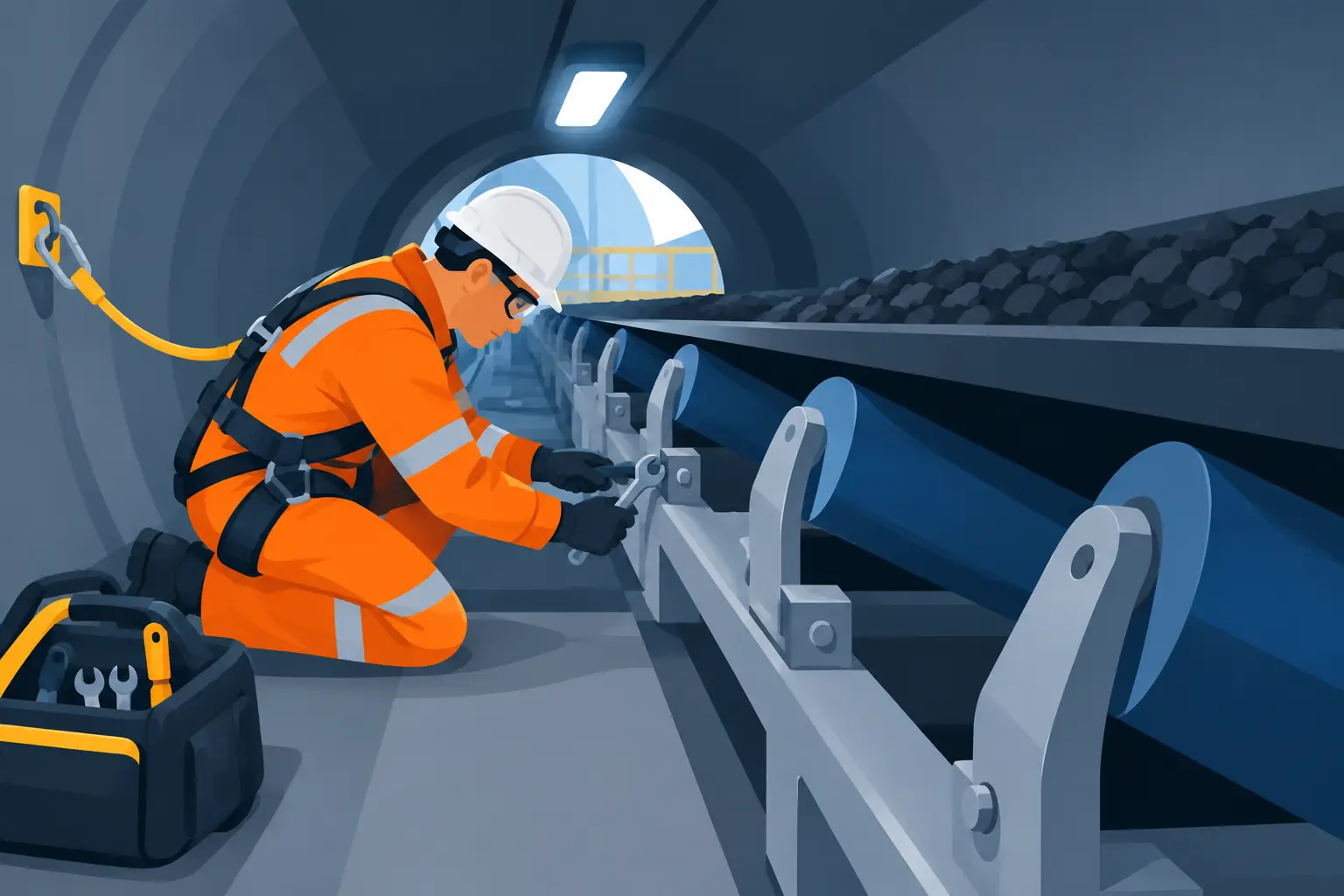
For underground tunnelling operations, the task is more demanding again. Restricted headings, changing tunnel conditions, limited lifting access and continuous spoil removal create a work environment where sequencing matters. The installation contractor needs to coordinate with mechanical, electrical, civil and production teams without compromising the operating cycle of the tunnel.
Assess conveyor installation contractors by capability
A contractor’s quotation may describe installation labour, supervision and equipment, but project teams should test how those resources will be applied. The most suitable provider has practical experience with comparable conveyor duties and can explain how it will control the work, not just what it intends to supply.
Experience in the operating environment
A conveyor carrying light packaged goods in an accessible warehouse has different requirements from a heavy-duty system moving spoil from a tunnel boring machine. Load profile, belt speed, conveyor length, incline, transfer points, contamination, moisture and operating hours all influence installation methods and component selection.
Ask whether the contractor has worked in conditions comparable to yours. Experience in major infrastructure, mining, manufacturing or bulk materials handling is relevant when it reflects similar risks and operating pressures. For tunnel projects, familiarity with TBM support systems, belt extensions, confined work areas and 24-hour production schedules is particularly valuable.
Experience alone is not enough. A contractor should be able to identify where the design or installation sequence may create maintenance issues, then work constructively with the project team to resolve them before they become operational problems.
Qualified people and site leadership
Conveyor projects require a blend of trades and supervision. Mechanical fitters, boilermakers, welders, riggers, dogmen, electricians, plant operators and commissioning personnel must work to a coordinated plan. Depending on the site, engineering support, leading hands and specialist TBM personnel may also be required.
The key question is whether the contractor can provide the right people when the programme demands them. A labour-only response can help during peak construction periods, but it does not replace accountable installation leadership. For critical work fronts, a contractor should provide clear supervision, defined responsibilities and experienced personnel who understand conveyor interfaces.
Continuity also matters. Repeated changes in crews can lead to inconsistent workmanship, lost site knowledge and longer fault-finding during commissioning. The best outcomes usually come from a core team that remains involved from installation through to testing and early operation.
Safety systems that work in the field
Safety documentation is essential, but project conditions change quickly. Conveyor installation contractors need practical systems for pre-start planning, isolations, lifting activities, working at height, hot works, confined spaces and interaction with mobile plant. Their supervisors should be prepared to stop, reassess and communicate when access or conditions differ from the plan.
For operational conveyors, isolation and stored-energy controls deserve close attention. Belts, counterweights, drives and take-up arrangements can present serious hazards if work is not planned and verified correctly. The contractor must understand site permit systems and ensure that mechanical and electrical work is properly coordinated.
Safety performance should not be assessed on paperwork alone. Look for evidence of disciplined site practices, competent supervision and a willingness to address problems early rather than work around them.
Installation quality begins before mobilisation
The strongest conveyor installations are prepared well before the first section is unloaded. A contractor should review drawings, component schedules, delivery sequences and available work areas to identify conflicts early. This is particularly important when conveyors interface with structural steel, hoppers, crushers, screens, electrical systems, ventilation or tunnel logistics equipment.
Pre-mobilisation planning should establish how materials will be received, stored, transported and lifted into position. On constrained sites, a missing idler frame or incorrectly sequenced belt reel can delay the entire installation. The plan should also allow for inspection points, hold points and verification of critical dimensions before work progresses too far.
There is a trade-off between speed and control. Fast installation is valuable when a project programme is tight, but rushing alignment, guarding or transfer-point set-up often moves the delay into commissioning. A contractor that sequences work efficiently while retaining inspection discipline is usually the better long-term choice.
Commissioning is where installation is proven
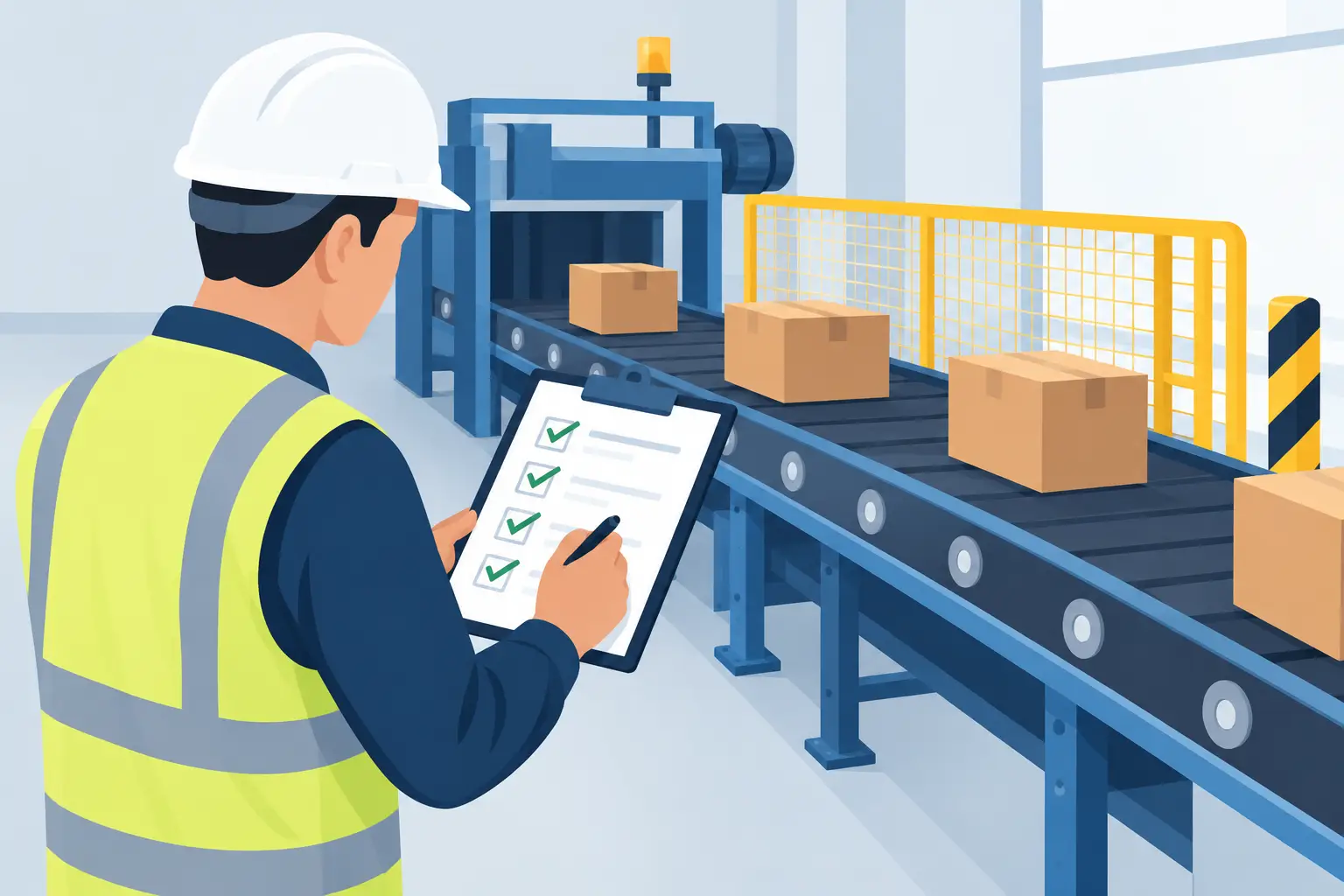
Commissioning should confirm that the conveyor operates safely across its intended duty, not merely that the belt turns. This process typically includes mechanical inspection, drive and instrumentation checks, belt tracking, emergency-stop testing, guarding verification, transfer-point observation and controlled loaded operation where practical.
The initial running period gives the project team an opportunity to identify abnormal vibration, mistracking, carryback, noise, belt damage or material spillage. These issues should be investigated at their source. Repeated adjustment without addressing pulley alignment, loading conditions or chute geometry can leave a system dependent on constant intervention.
A contractor should provide clear handover information, including records of testing, outstanding items, operating considerations and maintenance requirements. This information supports the maintenance team from the first shift and reduces uncertainty when faults occur later.
Look beyond practical completion
A conveyor may be installed and commissioned, yet still require responsive support as production conditions settle. Material characteristics can change, belt loading can increase and operational teams may identify access or maintainability issues not apparent during construction. This is why ongoing support capacity should be part of contractor selection.
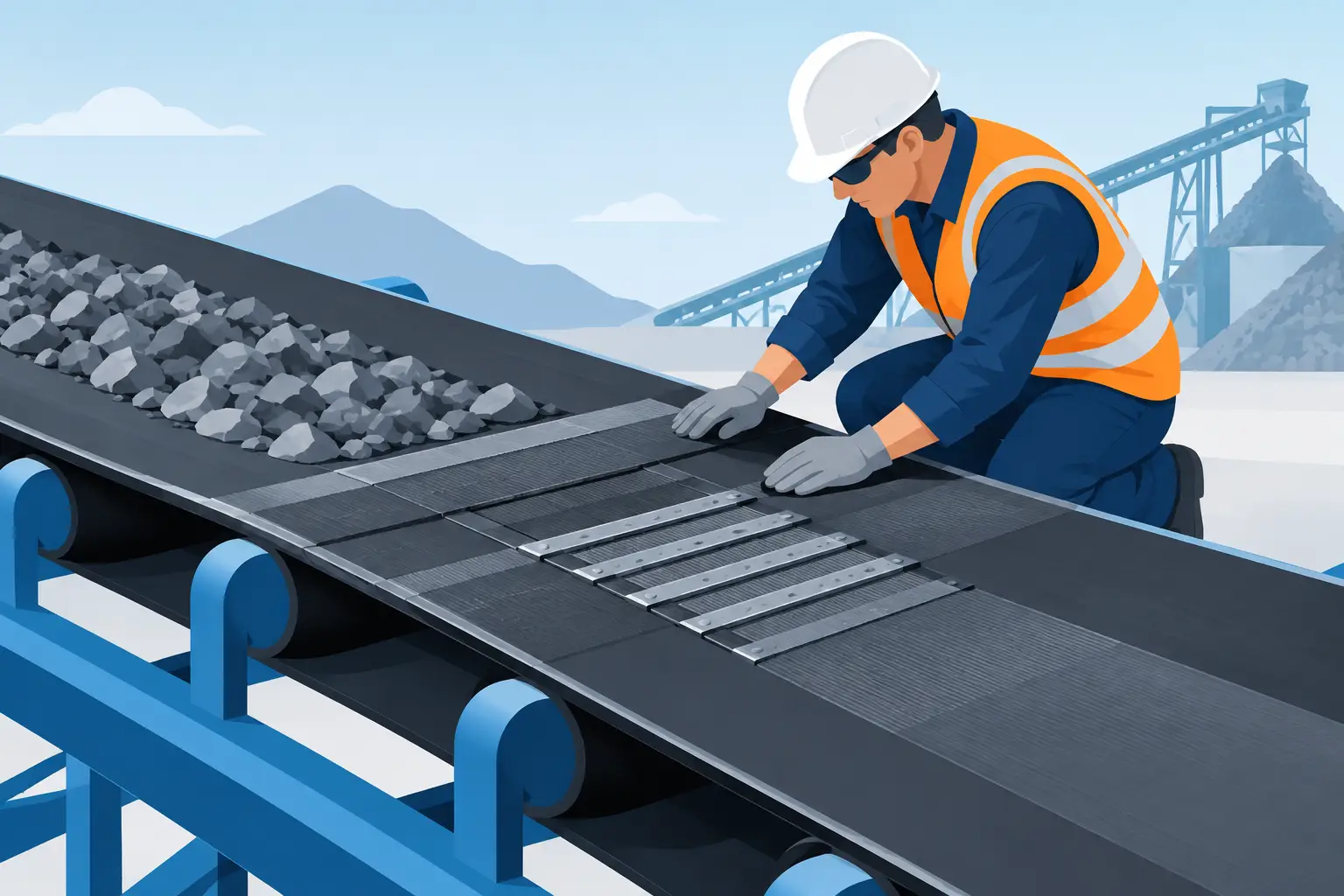
Preventive maintenance helps identify wear in rollers, pulleys, belts, skirting, scrapers, bearings and drive components before a minor defect becomes an unplanned shutdown. Rapid breakdown response is equally important where lost conveying capacity stops tunnelling, processing or dispatch.
Spare-parts access also deserves scrutiny. A contractor with practical knowledge of the installed system can help establish sensible critical spares holdings based on lead times, duty and failure consequences. Holding every part is not economical; holding none of the parts that can stop production is a greater risk.
Questions to ask before appointing a contractor
Before awarding work, establish how the contractor will manage design interfaces, programme constraints, crew size, shift coverage, lifting requirements, quality checks and commissioning responsibilities. Confirm who will be accountable for resolving defects and whether the same team can support the conveyor after handover.
It is also worth asking for examples of similar installation and recovery work. The purpose is not to seek generic capability statements. It is to understand how the contractor responds when components arrive late, site access changes, an operating belt requires urgent repair, or commissioning reveals a fault that threatens the programme.
For major infrastructure and conveyor-dependent operations, HP Rural combines installation, testing, maintenance, repairs, component support and rapid-response capability with personnel suited to demanding site conditions. That continuity can reduce handover gaps and give project teams a single operational partner across the conveyor lifecycle.
Choose a contractor that plans for the conditions your system will actually face after start-up. A properly installed conveyor should give operators safe access, maintenance teams clear service paths and the project confidence that material will keep moving when the schedule has no room for delay.