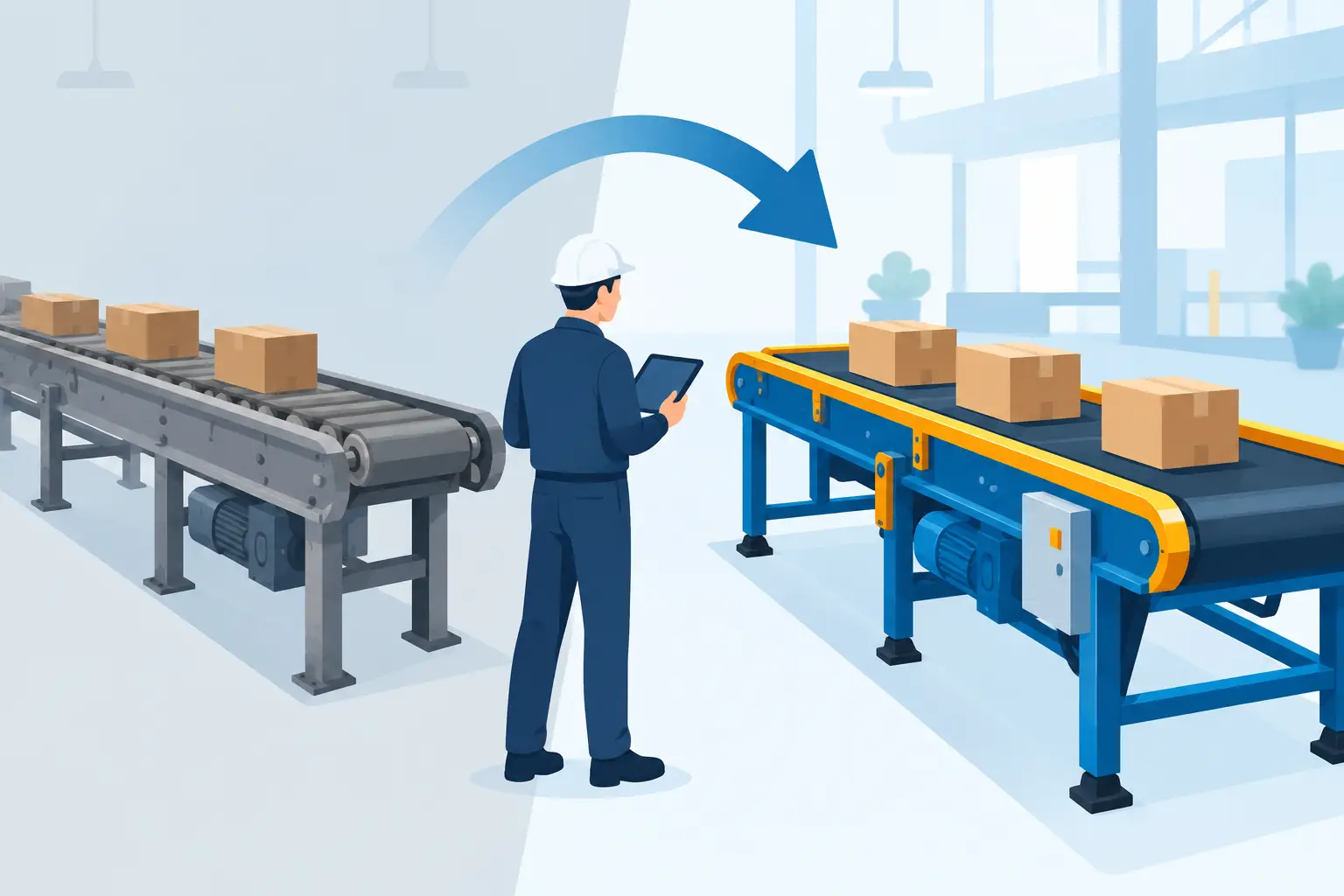
A tunnel conveyor is not simply assembled and switched on. It becomes part of the project’s production chain, moving spoil from the excavation face while crews, plant, ventilation and logistics operate in a confined and changing environment. Tunnel conveyor installation services must therefore deliver more than mechanical fit-up. They must establish a safe, tested and maintainable system that supports continuous excavation from day one.
For major infrastructure works, installation quality has a direct effect on programme certainty. Misaligned structure, poorly set tracking equipment, inadequate guarding or incomplete commissioning can create repeated stoppages long after the installation team has left site. The right contractor plans for the operating reality of the tunnel, not just the drawing package.
What tunnel conveyor installation services need to cover
A successful installation begins before components arrive underground. The contractor needs to understand the conveyor route, drive arrangement, transfer points, belt specification, access constraints, electrical interfaces and the anticipated advance of the tunnel operation. This early planning is particularly important where the system will be extended, shortened, relocated or integrated with tunnel boring machine spoil-handling equipment during the works.
Site conditions drive the installation method. Space around the conveyor may be limited by services, walkways, rail systems, ventilation ducting and emergency egress requirements. Ground conditions, water, dust and changing grades can also affect the arrangement of structure, supports and electrical equipment. A plan that works in an open workshop can be impractical underground without suitable lifting methods, staged deliveries and clear exclusion controls.
The installation scope commonly includes conveyor frames and stringers, idlers, pulleys, drives, take-up equipment, belt installation and splicing, skirting, chutes, guarding, pull-wire protection and electrical controls. The exact division of responsibility varies by project. What does not vary is the need for clear interfaces between civil works, mechanical installation, electrical installation and the operating team.
Design review before mobilisation
A practical design review identifies installation risks before they affect the programme. It should confirm that component specifications suit the duty, access is available for future maintenance, and the system can be safely isolated and inspected once operational. Transfer points deserve close attention because they are frequent sources of carryback, belt damage, dust and spillage when geometry or sealing is not properly resolved.
The review should also consider how the conveyor will grow with the tunnel. An arrangement that allows planned extension work, manageable belt storage and safe access to key components will reduce disruption as excavation advances. Where project conditions differ from the original design assumptions, early modifications are generally less costly than correcting failures during production.
Installation in an active tunnel environment
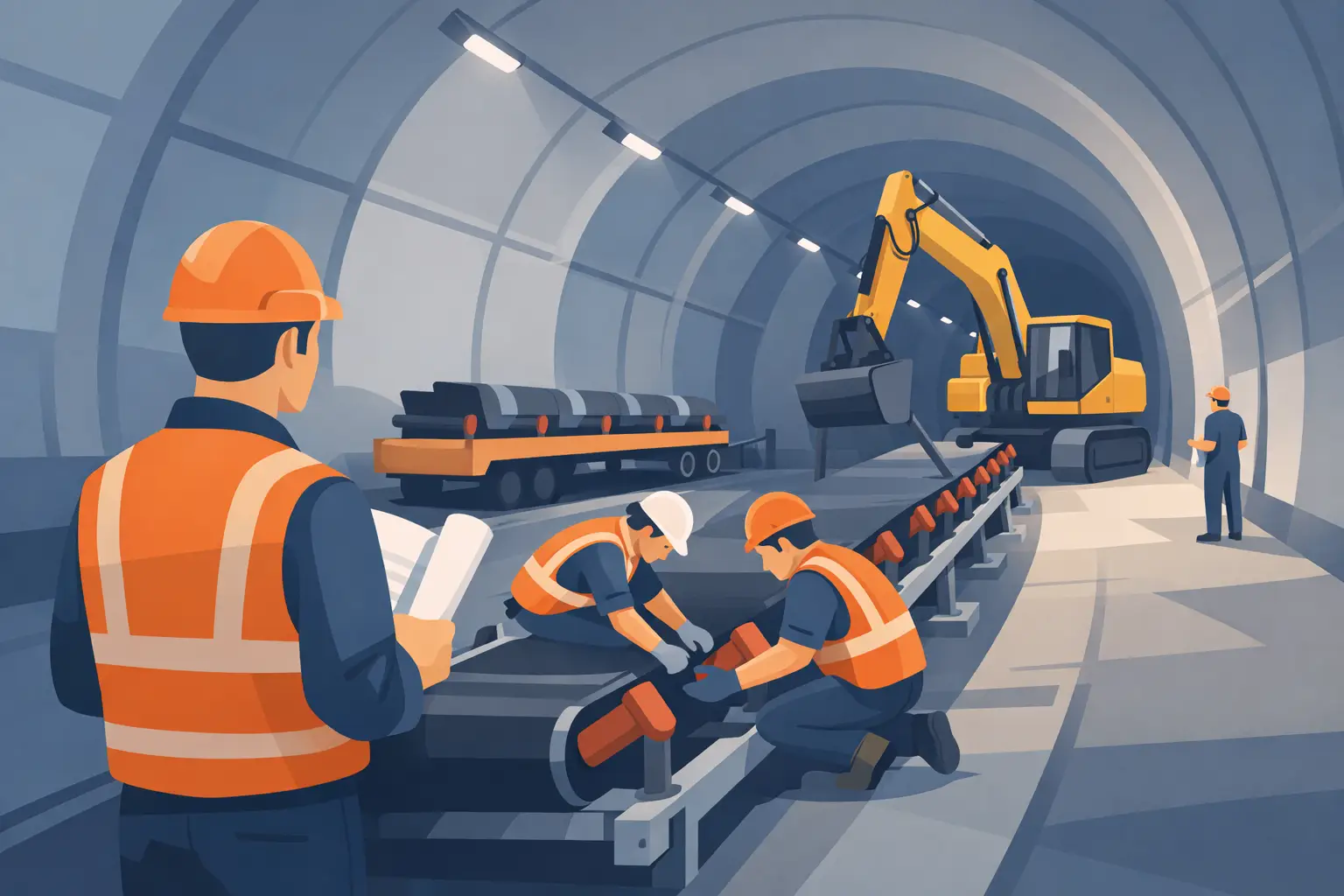
Underground installation requires disciplined coordination. Deliveries need to arrive in the right sequence, with materials identified and protected from damage. Crews need lifting plans suited to available plant and confined work areas. Installation zones must remain controlled without obstructing the movement of personnel, emergency access or other critical construction activities.
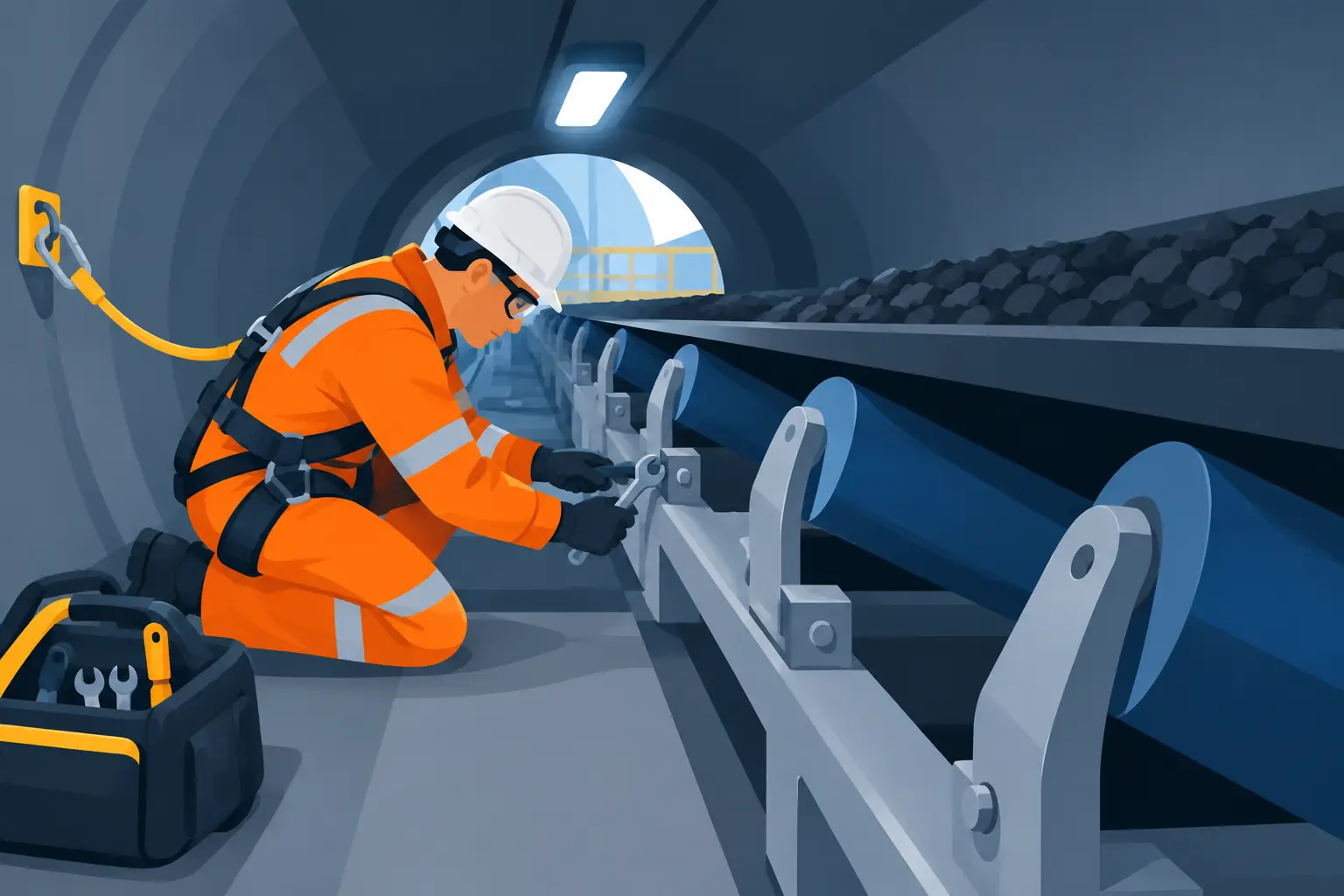
Qualified technicians should establish alignment from the outset rather than relying on adjustments after the belt is fitted. Frames, pulleys and idlers need to be set accurately to prevent premature belt edge wear, mistracking and uneven loading. The belt must be installed with the correct tensioning approach and splice quality for its duty cycle, particularly where high tonnages or long conveyor runs place sustained demand on the system.
Safety controls are integral to the work, not a final checklist. Isolation procedures, guarding, emergency-stop systems, communications, working-at-height controls and manual-handling practices must be applied throughout the installation. In a tunnel, restricted visibility and limited escape routes increase the consequences of poor planning. A competent installation team works within the project’s safety systems while maintaining the pace required by the construction programme.
Commissioning proves the system before production depends on it
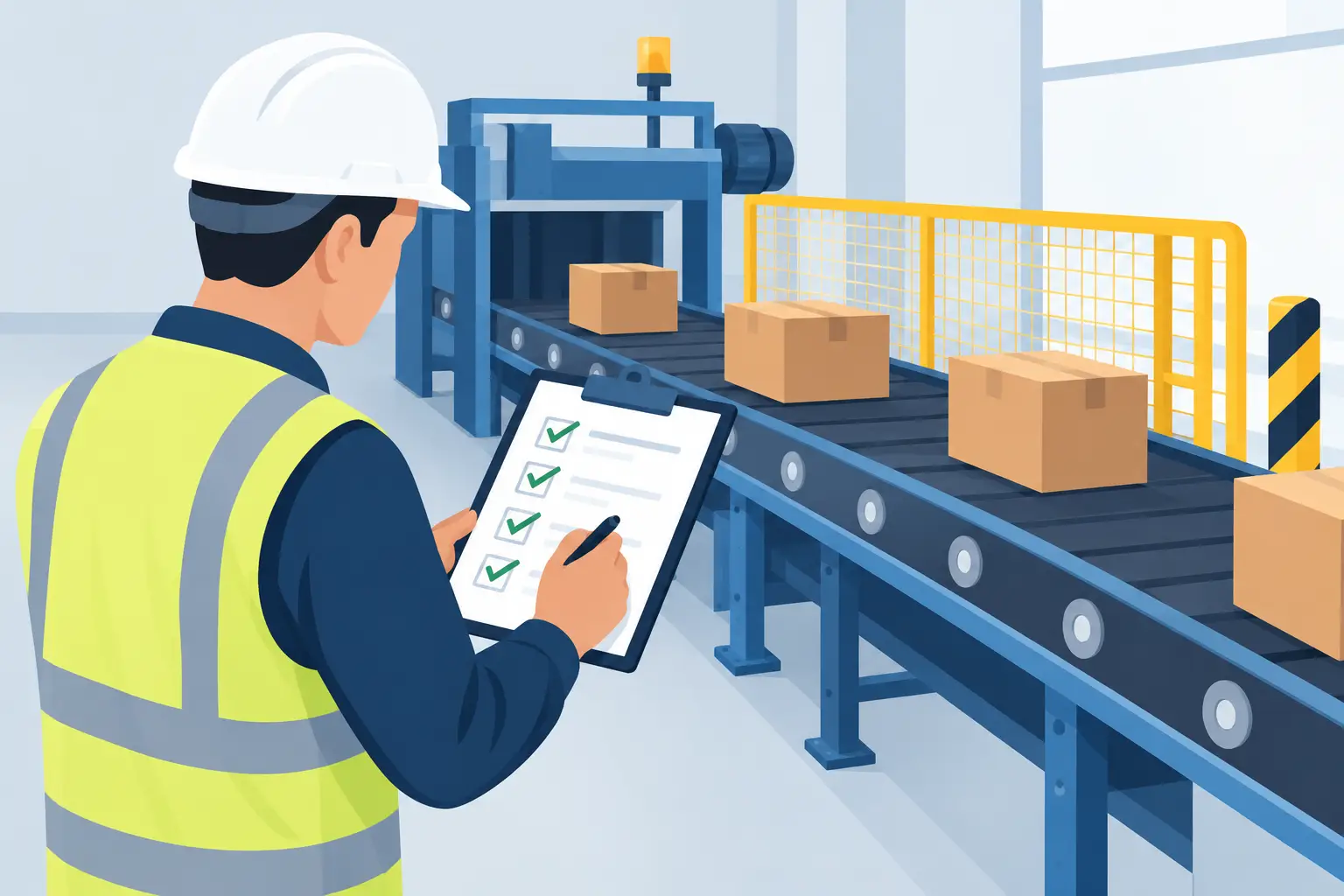
Commissioning is where an installed conveyor becomes an operational asset. Mechanical checks confirm fasteners, guards, pulleys, idlers, belt tracking devices and take-up systems are correctly installed. Electrical testing verifies motors, controls, interlocks, alarms and emergency-stop functions. The system is then run in a controlled sequence so that issues can be identified under safe conditions.
No two commissioning programmes are identical. A short surface conveyor may be proven quickly, while a long underground system with multiple drives, transfer stations and linked equipment requires staged testing. The goal is not to run the belt once. It is to confirm that it starts, stops, tracks, carries material and responds to fault conditions as intended.
During this phase, technicians should inspect belt tracking under load, material flow at transfers, skirt sealing, noise and vibration, drive performance and the accessibility of routine maintenance points. Findings should be recorded, rectified and verified before full production loading begins. This protects the project from handing over defects to the operations team at the point when excavation pressure is highest.
Handover should support the maintenance team
A useful handover gives supervisors more than completion documentation. It provides operating instructions, inspection requirements, isolation points, component details, recommended spares and a clear record of settings or modifications made during commissioning. Operators and maintainers should understand the likely early-life issues to watch for, including tracking changes as belts settle and adjustment needs at loading zones.
For conveyor-dependent projects, maintenance planning should begin alongside commissioning. Critical spares, such as idlers, bearings, belt repair materials, pulley components and electrical items, need to be identified against lead times and site risk. Holding every possible spare is rarely efficient, but waiting weeks for a component that stops spoil removal is not an acceptable strategy either.
Installation quality affects total project cost
The lowest installation price is not always the lowest project cost. A contractor may reduce the initial figure by limiting commissioning support, using insufficient supervision or treating access and maintenance provisions as someone else’s issue. The result can be recurring call-outs, accelerated component wear and lost excavation time.
Conversely, over-specifying every element without regard to the project duration or material duty can add unnecessary cost. The right solution depends on expected tonnes, belt length, hours of operation, abrasiveness of material, water exposure, planned system extensions and the availability of maintenance crews. Good tunnel conveyor installation services make these trade-offs visible so project teams can make informed decisions.
Downtime has a wider impact in tunnelling. When spoil cannot be removed, the tunnel boring machine may need to slow or stop. Follow-on activities are disrupted, labour utilisation is affected and the schedule can absorb pressure across multiple work fronts. Installation decisions that improve reliability at transfer points, drives and high-wear areas can therefore deliver value well beyond the conveyor itself.
Choosing a conveyor partner for underground work
Project teams should look for practical underground experience, not only general conveyor capability. The contractor must be able to work with engineering requirements while responding to the realities of an operating tunnel. That includes staged installation, restricted access, fast-changing priorities and the need to resolve faults without compromising safety controls.
Capability across the full lifecycle is also valuable. The team that installs a system is better placed to support commissioning, undertake preventive maintenance, supply components, complete upgrades and respond when an unexpected failure occurs. This continuity reduces the time spent explaining the system to new providers and helps preserve knowledge of site-specific modifications.
HP Rural provides this lifecycle support for demanding conveyor operations, combining installation and commissioning with maintenance, repairs, component supply and rapid-response assistance. For project managers, that means a single technical partner can remain accountable as the conveyor moves from construction activity into sustained production.
Questions to resolve before appointing a contractor
Before mobilisation, confirm who owns engineering verification, lifting and access planning, electrical connections, belt splicing, commissioning tests, documentation and post-handover support. Also establish response expectations for defects found during ramp-up and the availability of critical spare parts. Clear answers prevent scope gaps that often appear when the conveyor is most needed.
The best installation outcome is a system that crews can operate, inspect and maintain with confidence under real tunnel conditions. When planning, installation, testing and ongoing support are treated as one connected scope, the conveyor is far more likely to keep material moving when the project cannot afford to wait.